Seville · History
From Hispalis to the 1929 Expo: Seville in Six Layers
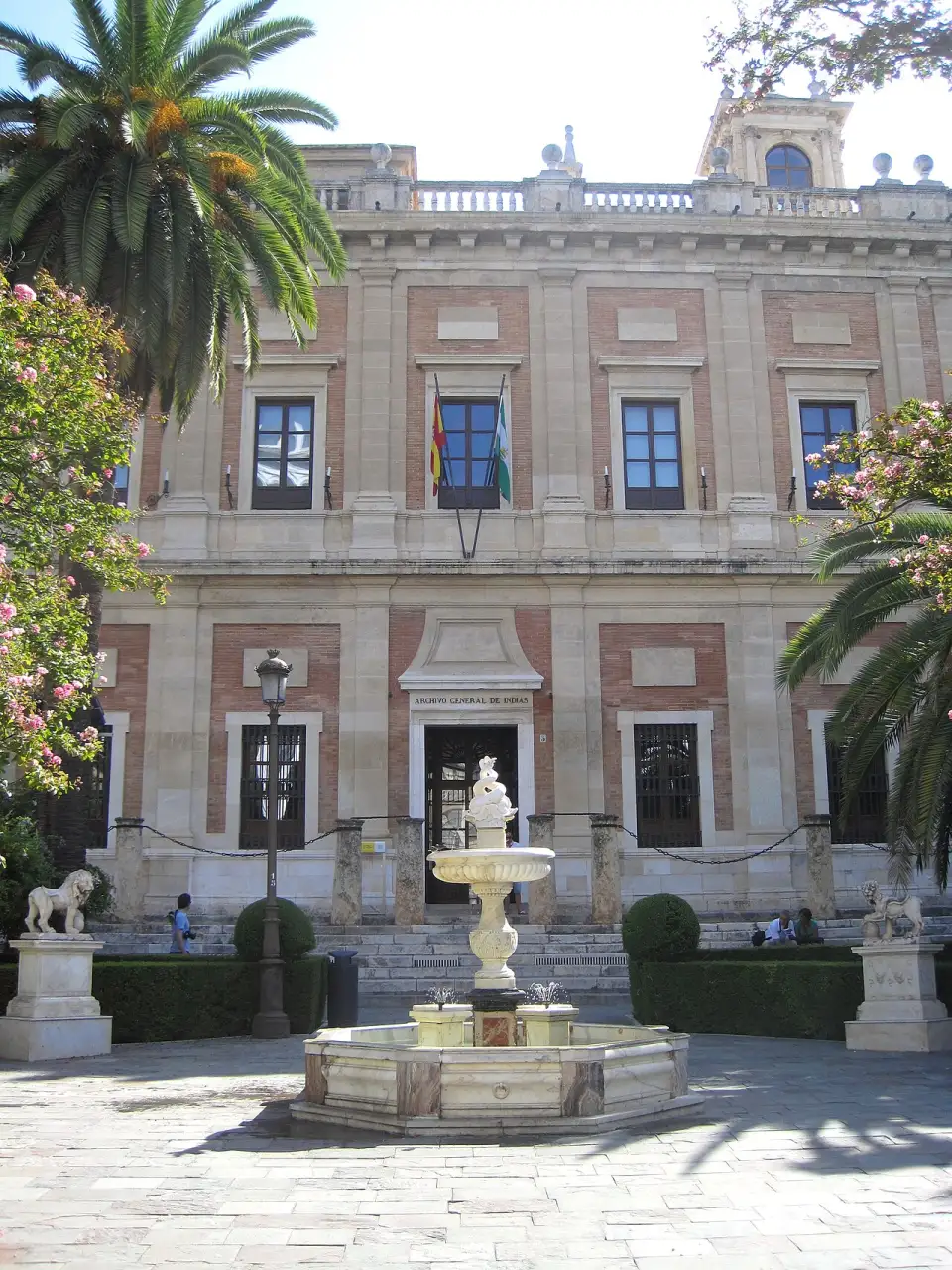
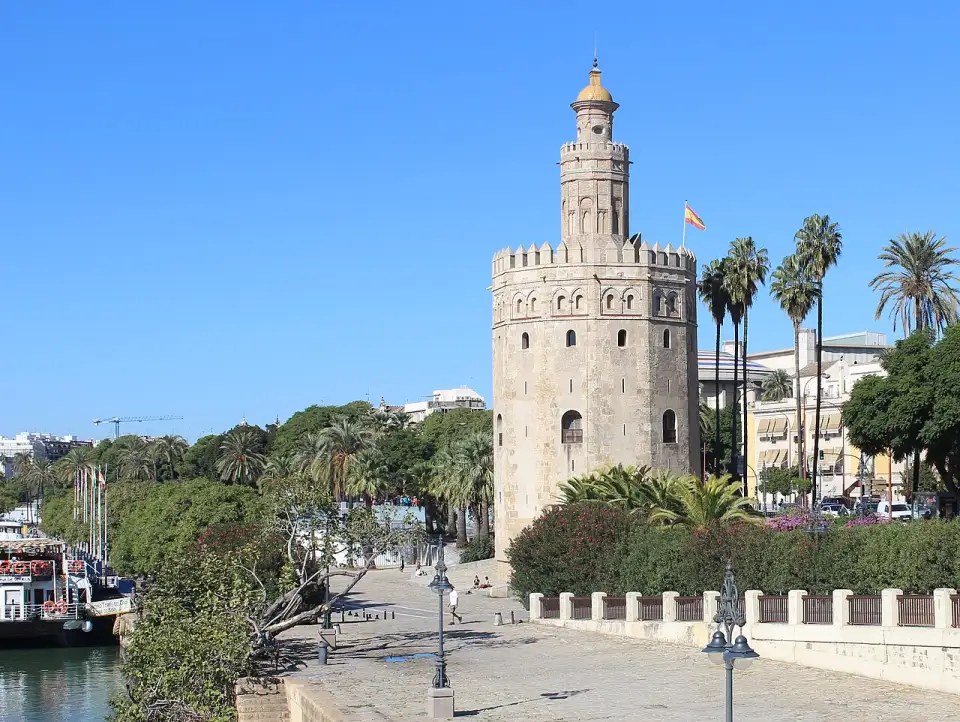
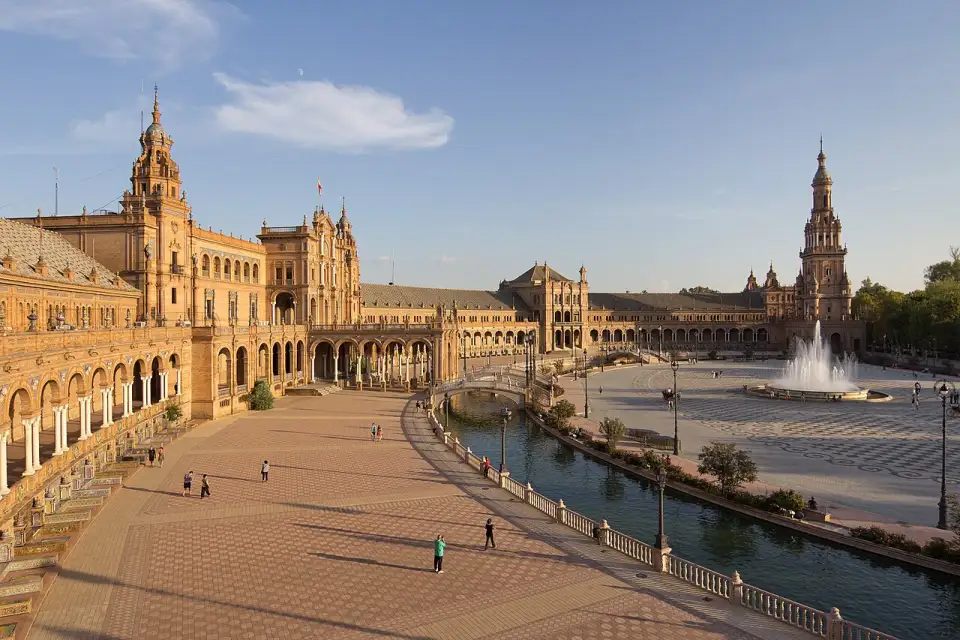
Roman mosaics lie beneath a giant wooden parasol; a few streets away, a Baroque church hides the minaret of a ninth-century mosque, and by the river stand the Almohad tower and the building from which an empire was run. The walk ends at the grand square Seville built in 1929 to make peace with the Americas.
- 6 stops
- 2.8 km
- 2 h
- Free

The route
Stop by stop
-
1
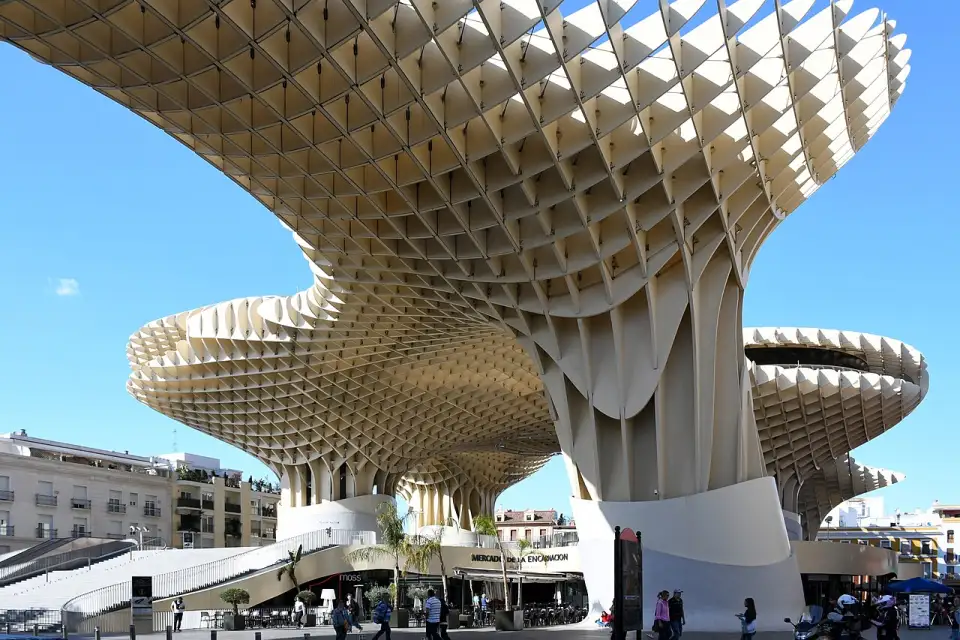
-
2
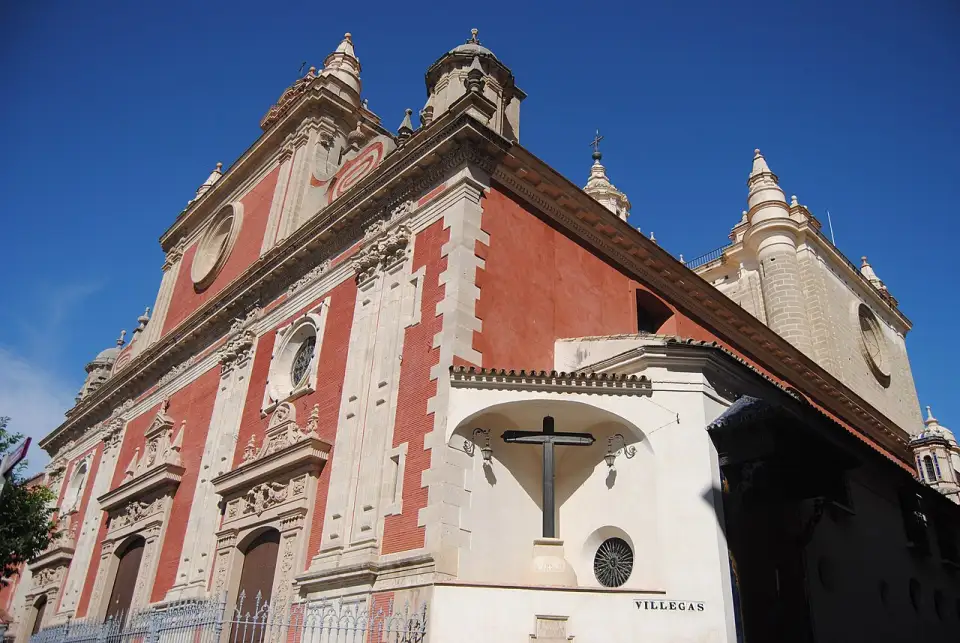
-
3
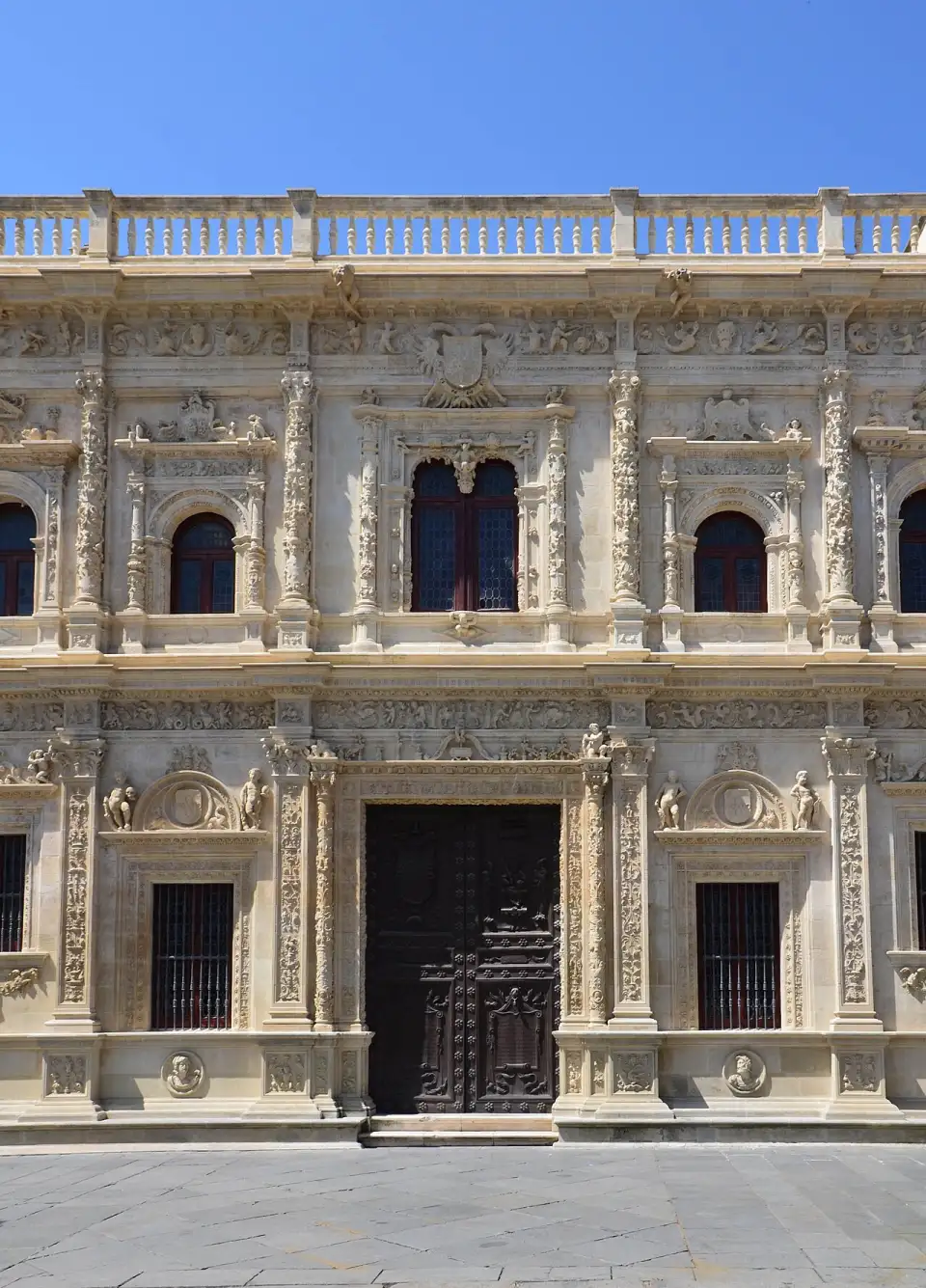
-
4
-
5
-
6


Loading the map…
Guide mode
Walk it with GPS.
Open guide mode on your phone: you’ll see your position and the distance to each stop, and we’ll let you know when you arrive. Then read or listen.
Start with GPSTurn on your location
Walk to the spot
Check the photo and listen
What you’ll discover
From Hispalis to the 1929 Expo: Seville in Six Layers
Twenty centuries underfoot
From the Roman houses of the Antiquarium to the regionalist brickwork of the Plaza de España, every stop is a different layer of the city.
Gateway to the Indies
For two centuries trade with the Americas passed through here, as the old merchants' exchange, now the Archive of the Indies, and the Torre del Oro still show.
Buildings with second lives
Mosques turned into churches, an exchange turned into an archive, a market turned into a viewpoint: Seville rarely throws anything away.
Keep exploring
