Tokyo · History
From Edo to Tokyo: bridges, castle walls and an emperor's capital
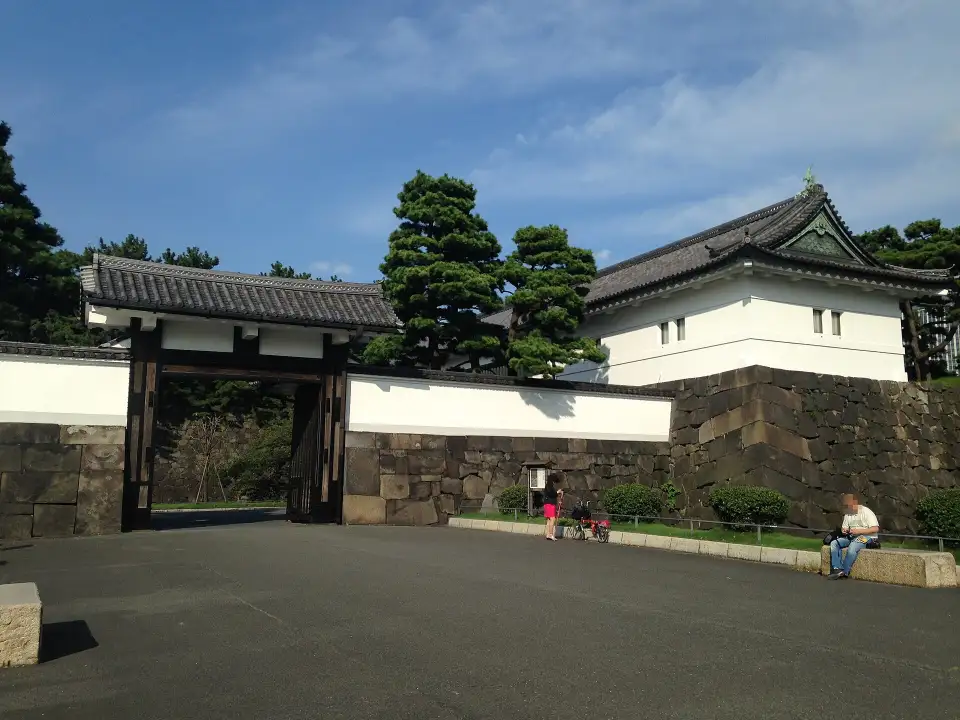
In barely three kilometres you cross four centuries: the Edo of the Tokugawa shoguns, the Meiji revolution that turned it into Tokyo, and the modern city that rose from earthquakes and air raids. You will walk from Nihonbashi to the red-brick station and then along the moats of the old castle, as far as the gate where an assassination changed the course of Japanese history.
- 6 stops
- 3.5 km
- 1 h 50 min
- Free

The route
Stop by stop
-
1
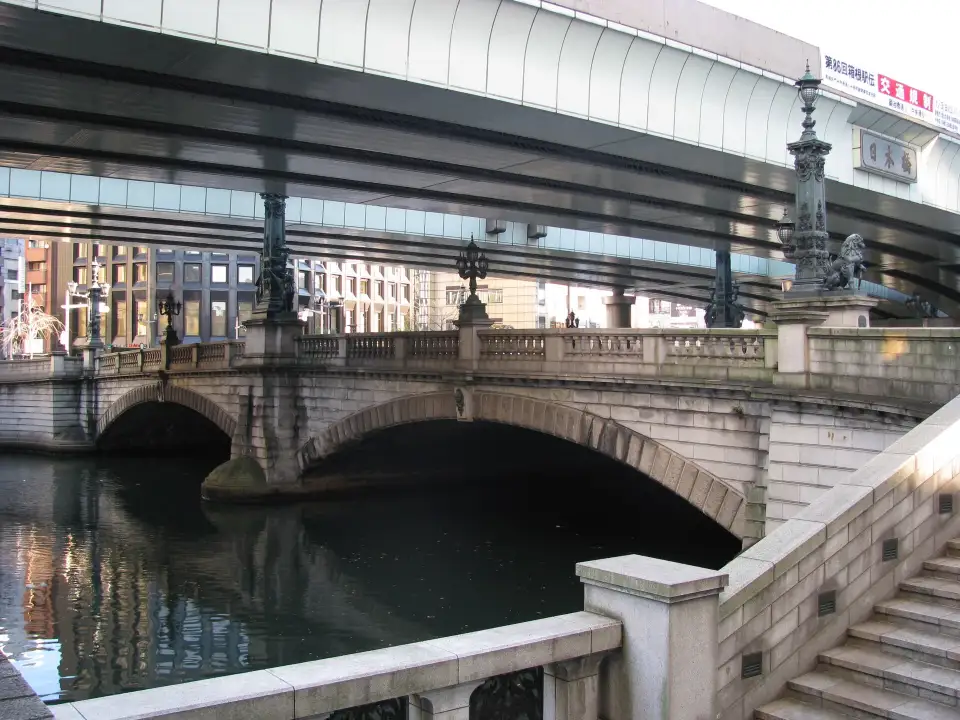
-
2
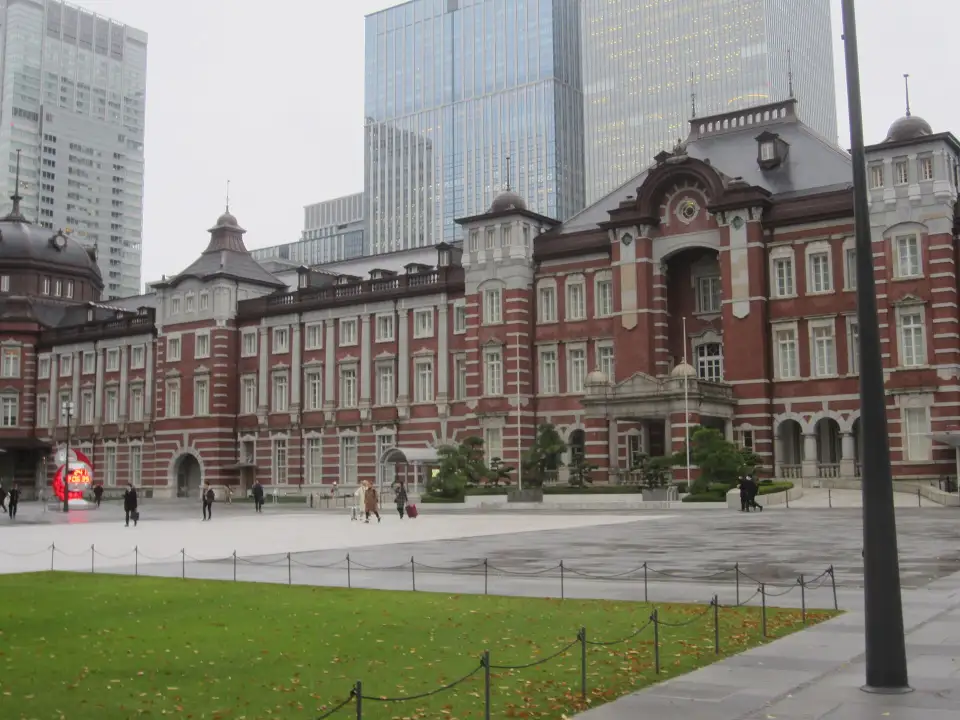
-
3
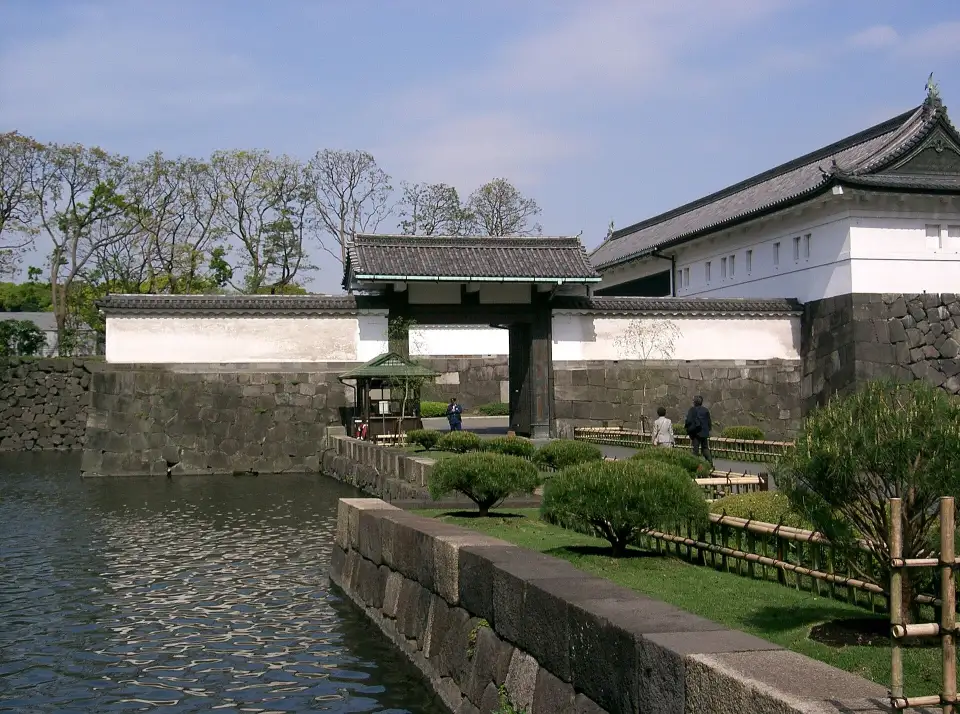
-
4
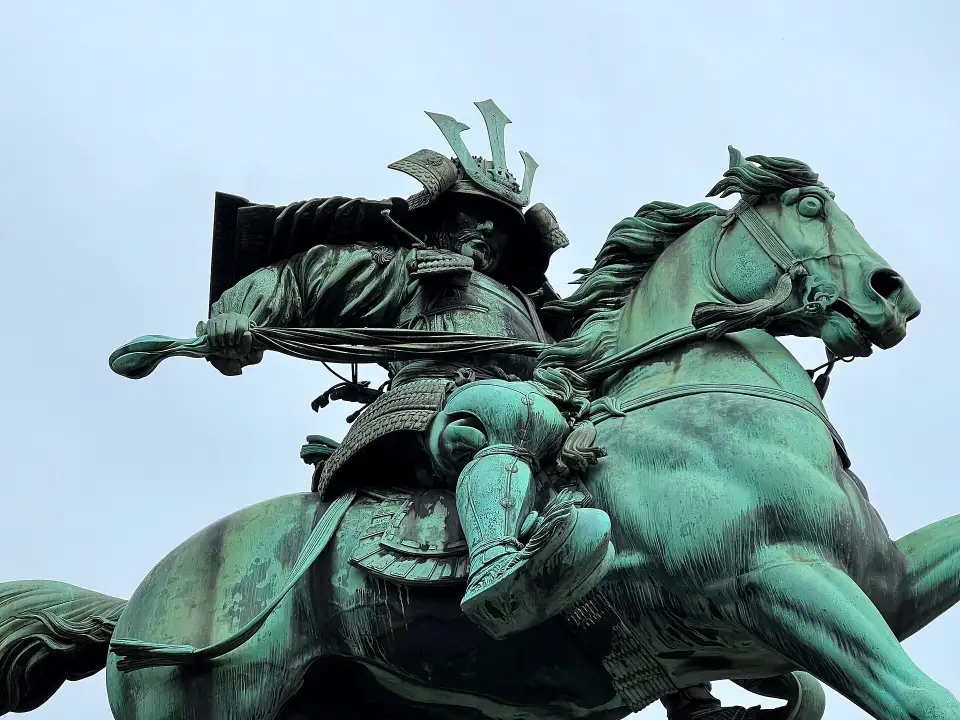
-
5
-
6


Loading the map…
Guide mode
Walk it with GPS.
Open guide mode on your phone: you’ll see your position and the distance to each stop, and we’ll let you know when you arrive. Then read or listen.
Start with GPSTurn on your location
Walk to the spot
Check the photo and listen
What you’ll discover
From Edo to Tokyo: bridges, castle walls and an emperor's capital
Japan's kilometre zero
Nihonbashi, the bridge where the country's five great highways began and from which distances are still measured.
The shogun's castle
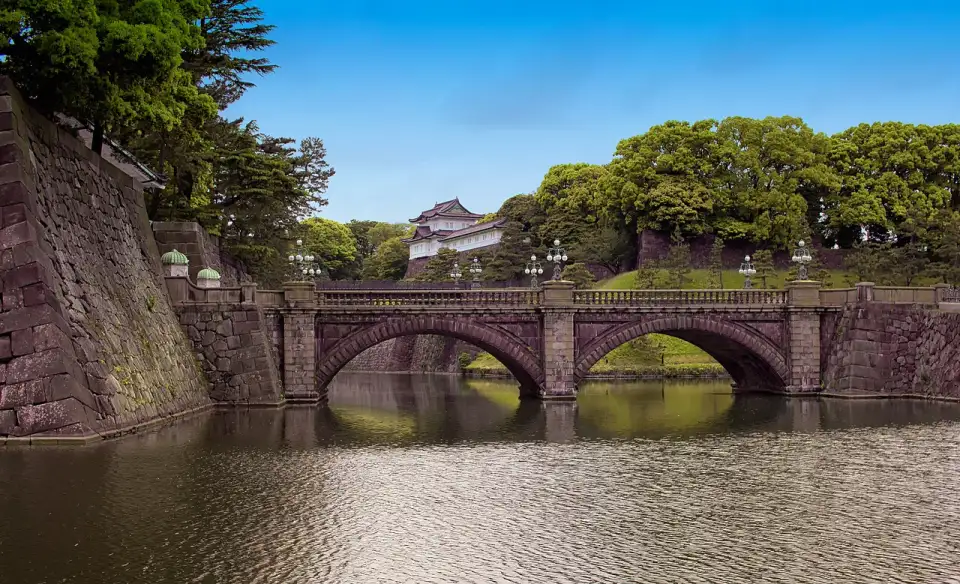
The gates, walls and moats of Edo Castle, the largest in Japan, which became the Imperial Palace in 1868.
Assassinations that changed a nation
From the Sakurada Gate in 1860 to the concourse of Tokyo Station in 1921: places where politics was written in blood.

