Bogotá · History
The Bogotá that made a nation: from colony to republic
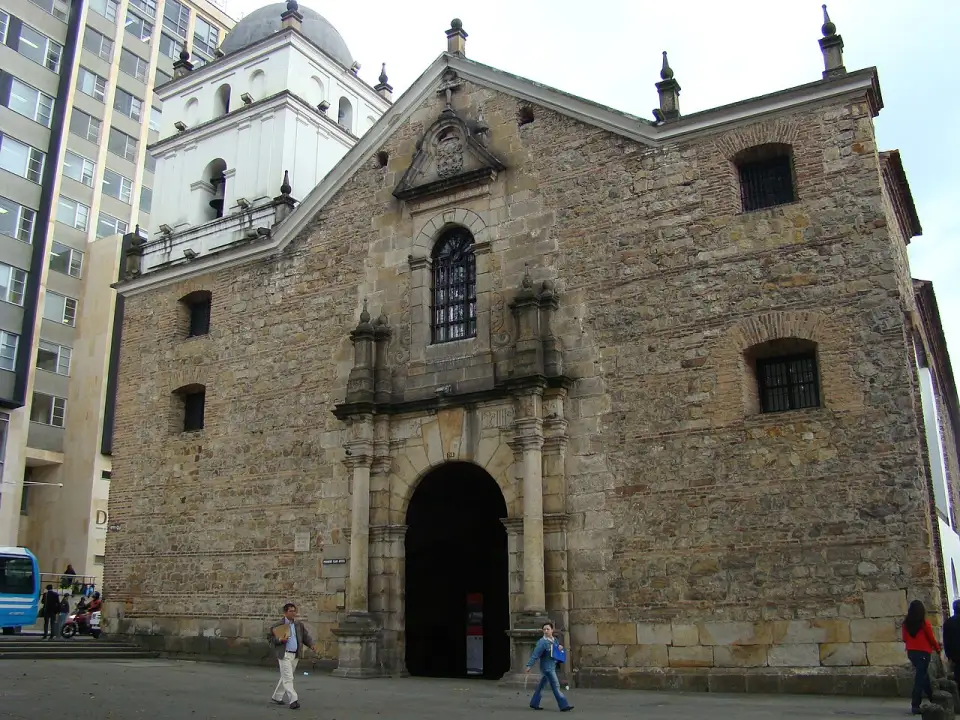
Before it became the capital of Colombia, Bogotá was Santafé, capital of the New Kingdom of Granada. This route traces that transition in just a few blocks: the king's mint, the shop where the revolution of 1810 broke out, the old square of the viceroys turned seat of Congress, the presidential palace built on Antonio Nariño's birthplace and a church that became a battlefield.
- 5 stops
- 1.1 km
- 1 h 30 min
- Free

The route
Stop by stop
-
1
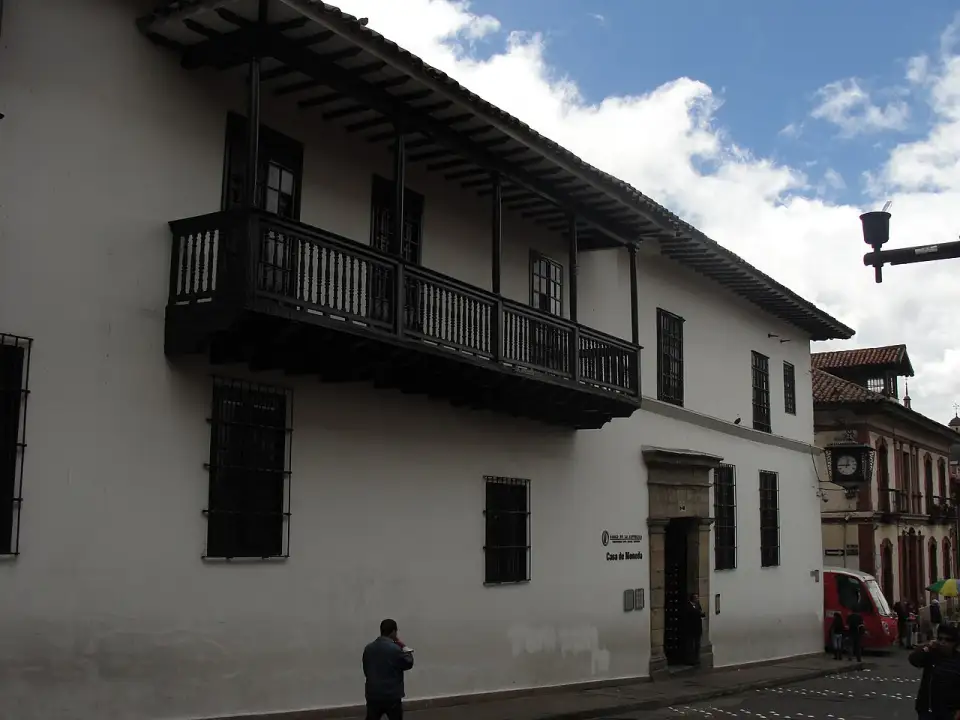
-
2
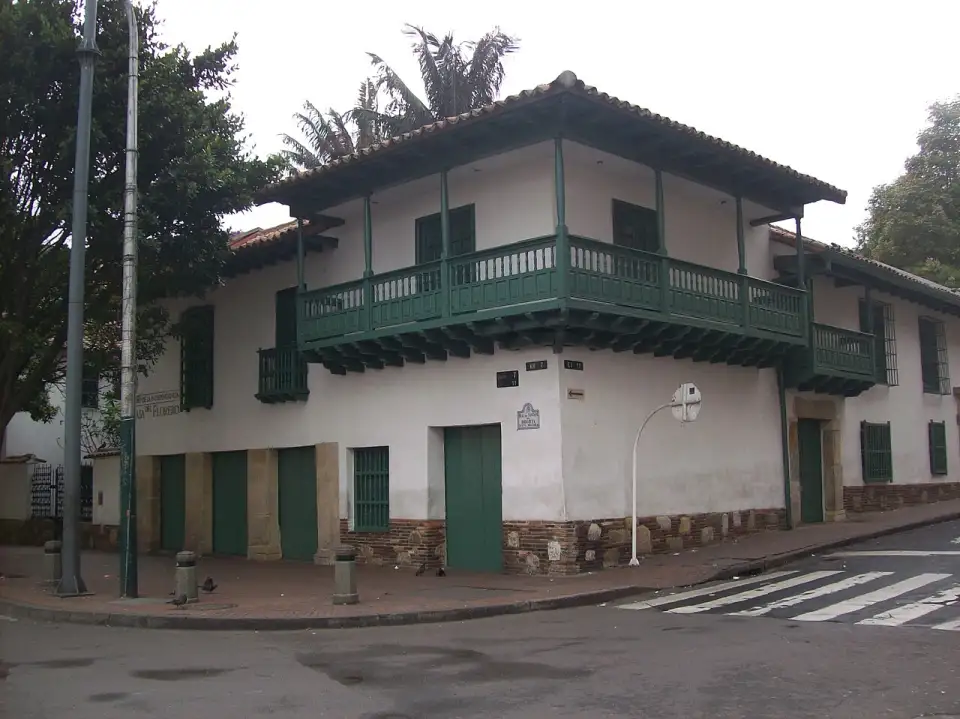
-
3
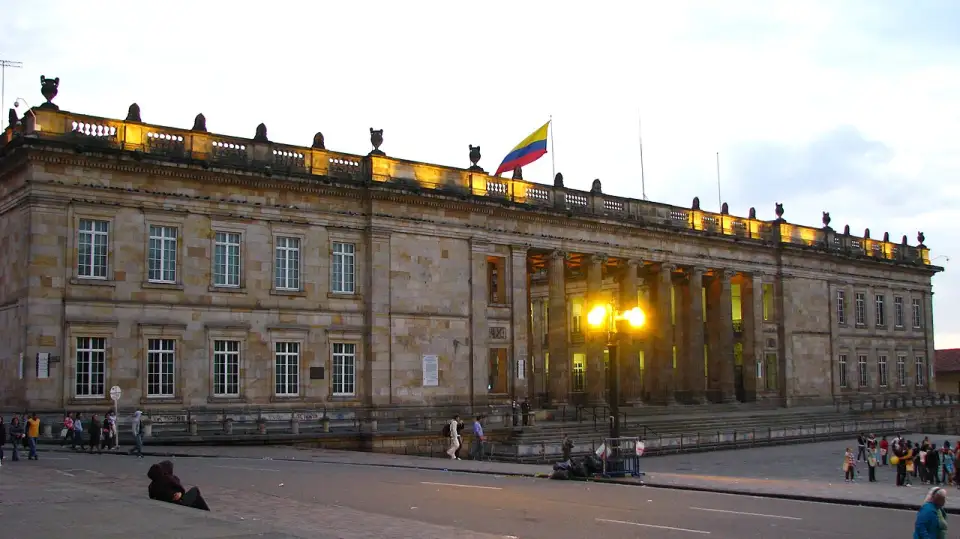
-
4
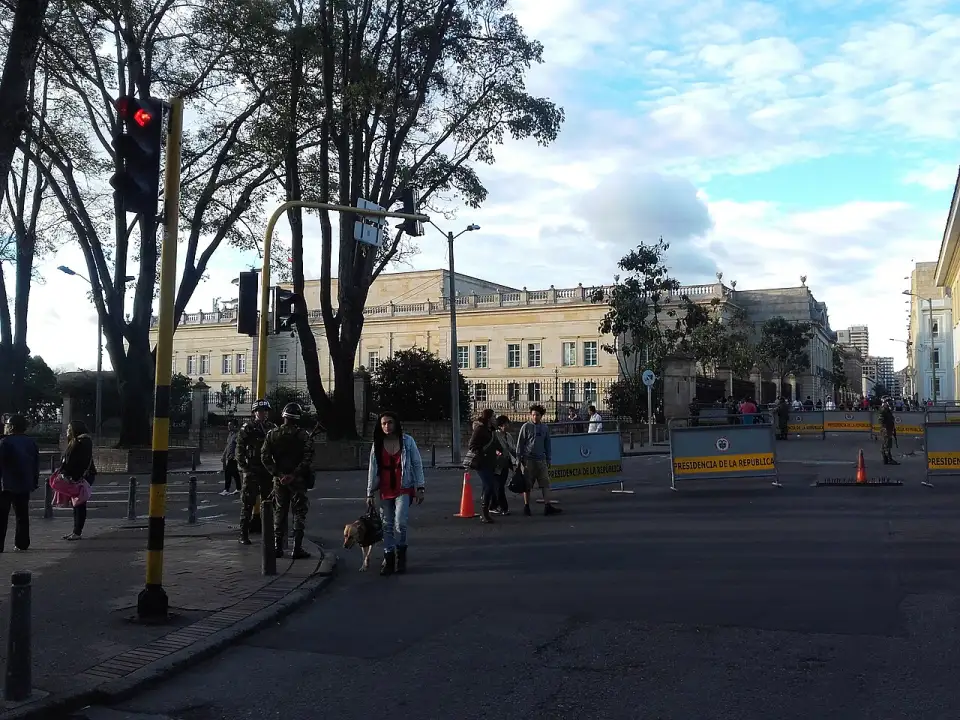
-
5


Loading the map…
Guide mode
Walk it with GPS.
Open guide mode on your phone: you’ll see your position and the distance to each stop, and we’ll let you know when you arrive. Then read or listen.
Start with GPSTurn on your location
Walk to the spot
Check the photo and listen
What you’ll discover
The Bogotá that made a nation: from colony to republic
The flower-vase revolution
Find out how a quarrel planned in advance on 20 July 1810 opened the road to independence.
Three centuries of architecture
From wooden colonial balconies to the neoclassical stone of the Capitol, the route is a visual guide to the city.
Real people
Nariño, La Pola, Mosquera and the architects of the Capitol: named individuals behind every façade.
Keep exploring

