- Home
- Argentina
- Buenos Aires
- History
Buenos Aires · History
From Colonial Fort to Capital: Buenos Aires in Six Stops
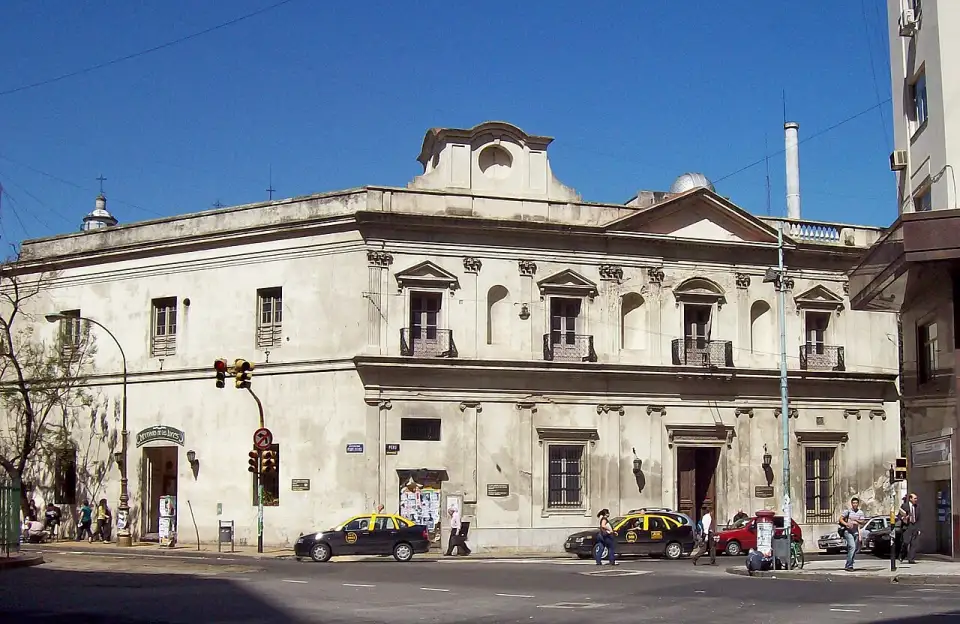
This walk follows the thread of Buenos Aires history from its political heart. You start in front of the Casa Rosada, built over the old fort, cross the Plaza de Mayo, step into the world of 1810 between the Cabildo and the Cathedral, discover the block where the Jesuits taught, and finish in San Telmo, the colonial neighbourhood that yellow fever left behind.
- 6 stops
- 2.3 km
- 1 h 45 min
- Free

The route
Stop by stop
-
1
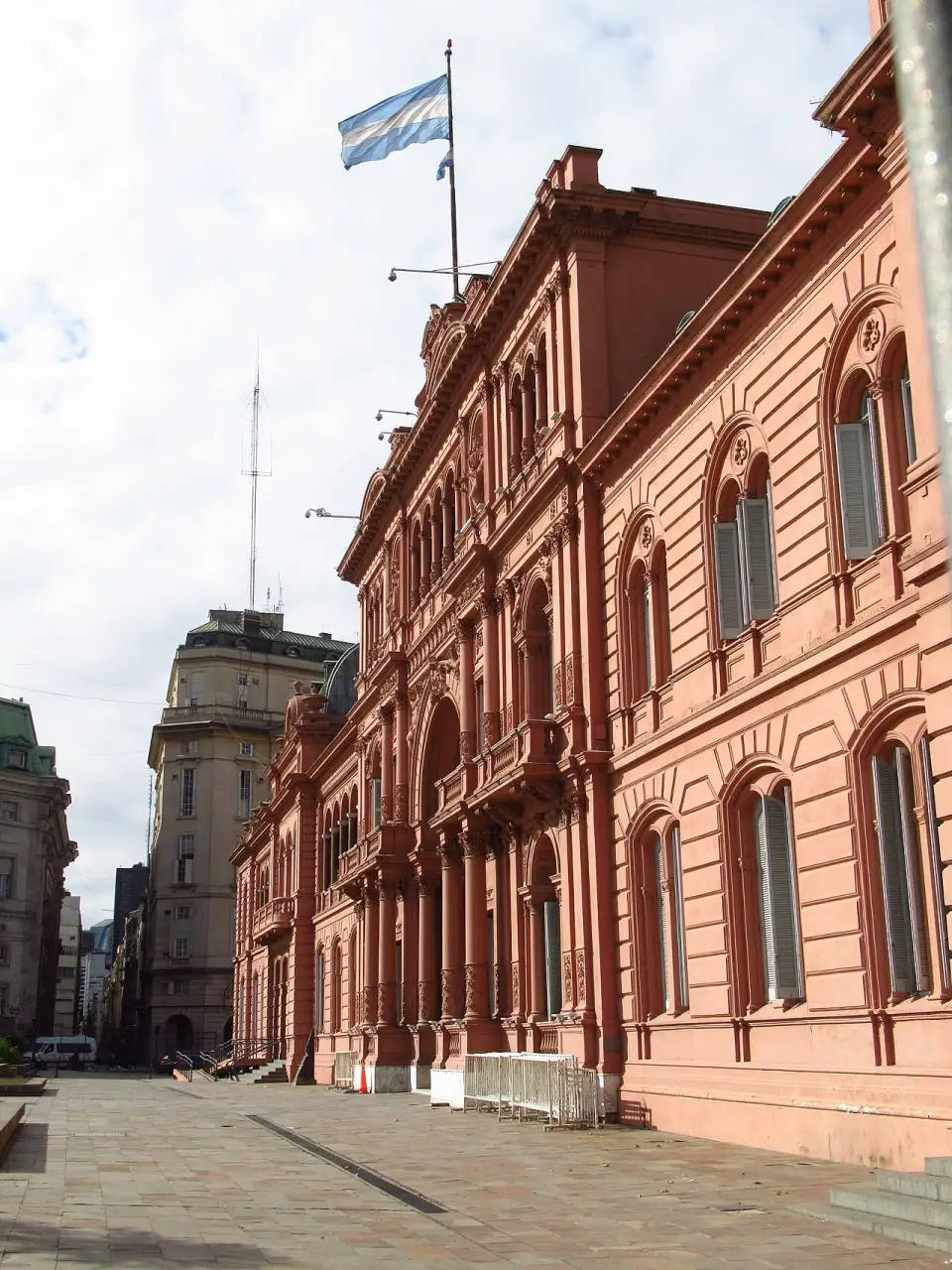
-
2
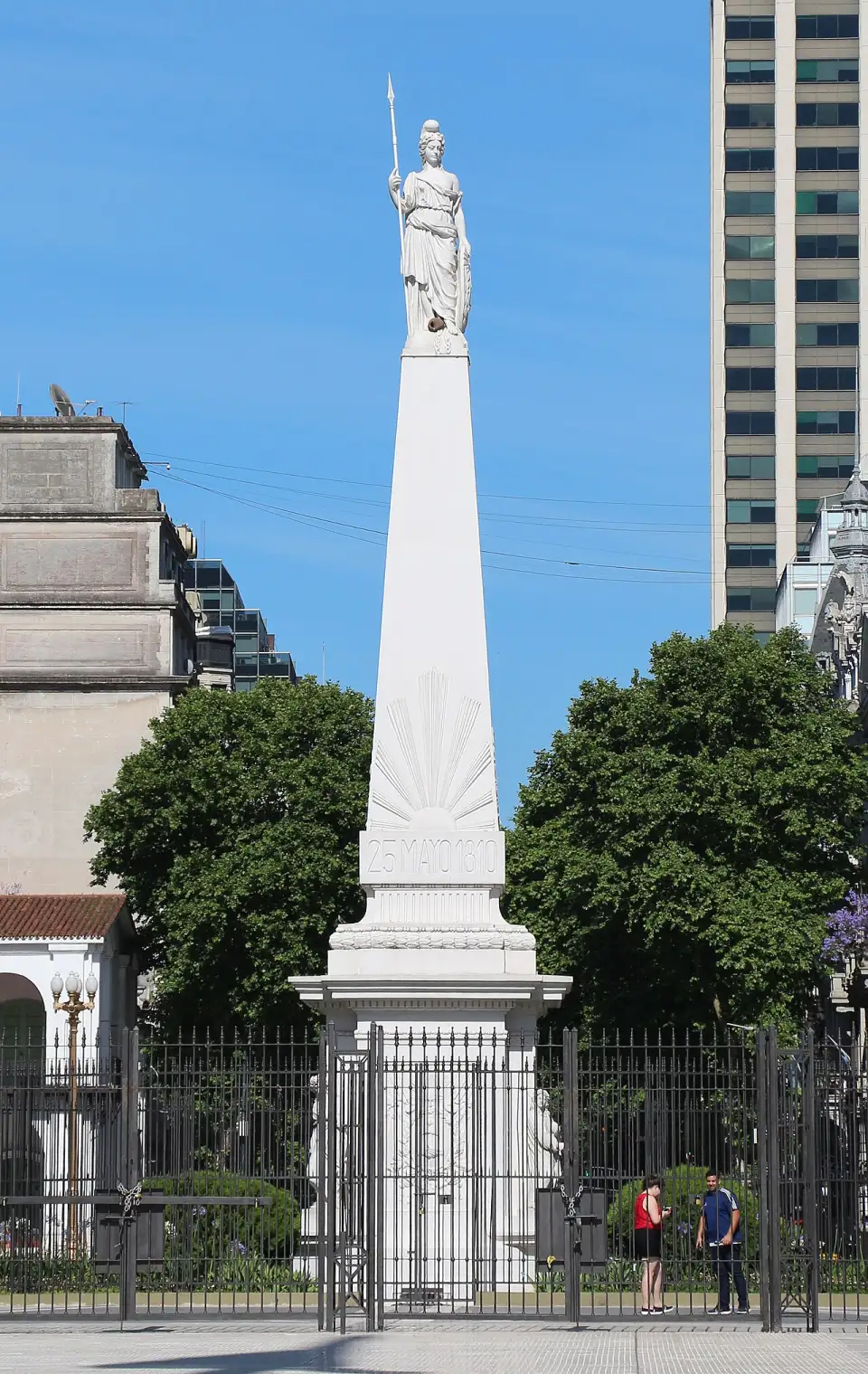
-
3
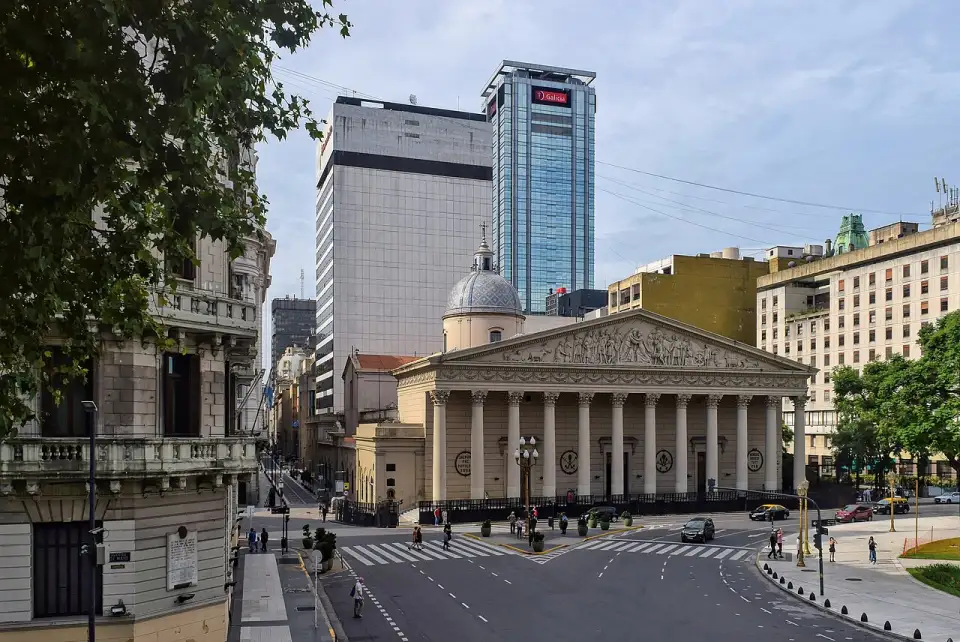
-
4
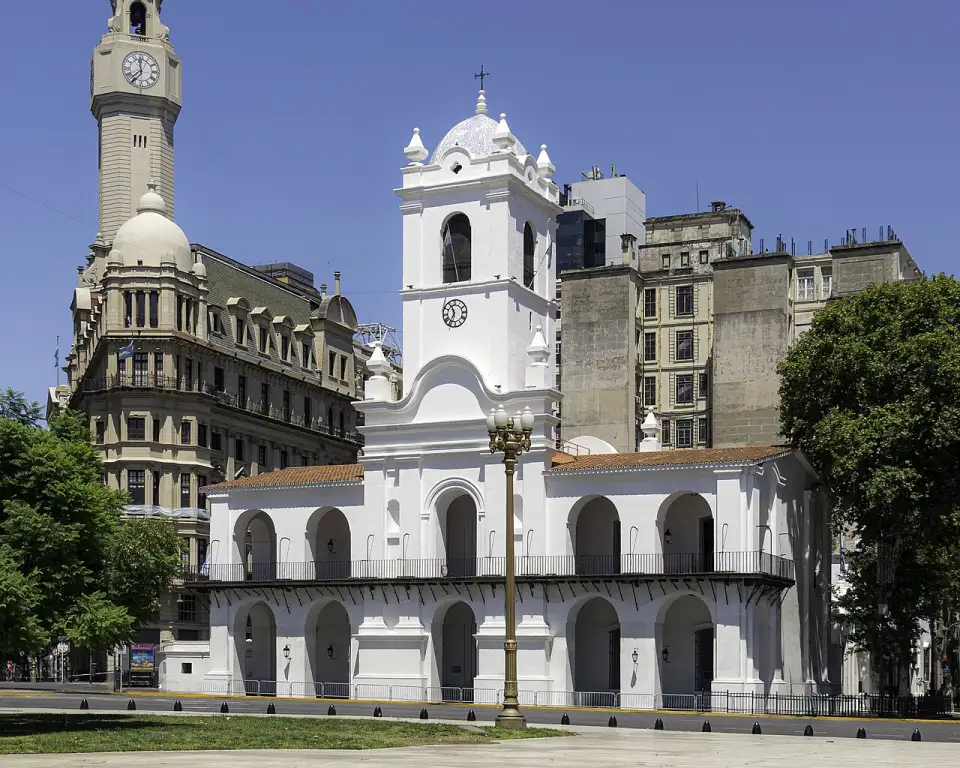
-
5
-
6


Loading the map…
Guide mode
Walk it with GPS.
Open guide mode on your phone: you’ll see your position and the distance to each stop, and we’ll let you know when you arrive. Then read or listen.
Start with GPSTurn on your location
Walk to the spot
Check the photo and listen
What you’ll discover
From Colonial Fort to Capital: Buenos Aires in Six Stops
The May Revolution, on the ground
The Cabildo, the Pyramid and the Cathedral set the stage of May 1810, just a few steps from one another.
Layers of city
A fort beneath a palace, a pyramid inside another and tunnels under a Jesuit block: Buenos Aires was built on top of itself.
From square to neighbourhood
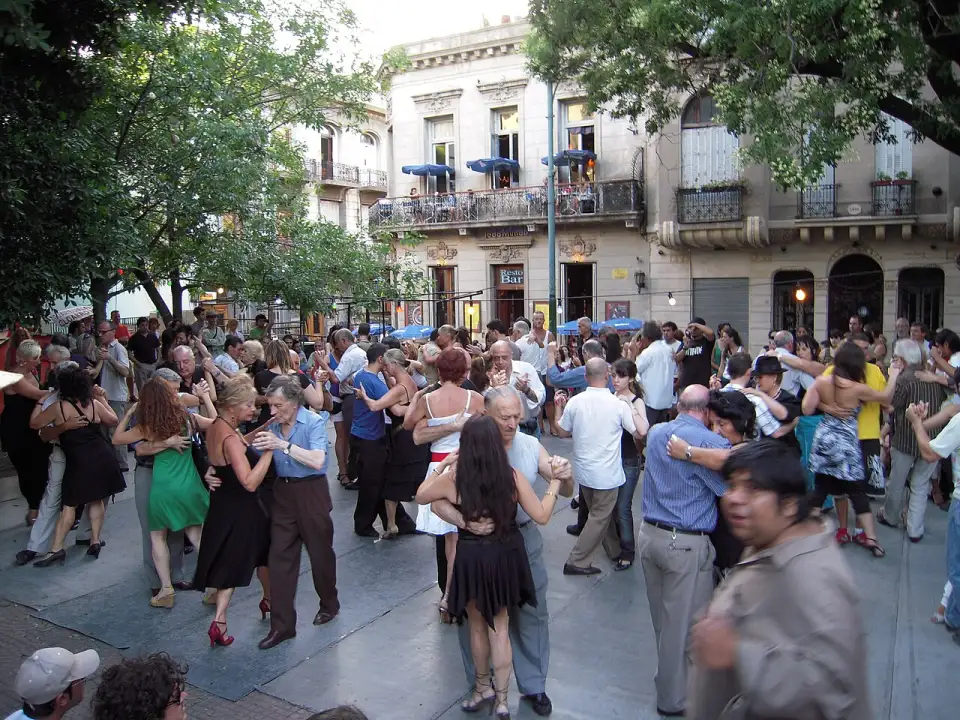
You end in Plaza Dorrego, where ox carts once stopped and where independence was sworn in 1816.
Keep exploring

