Málaga · History
Málaga in layers: from Malaka to Calle Larios
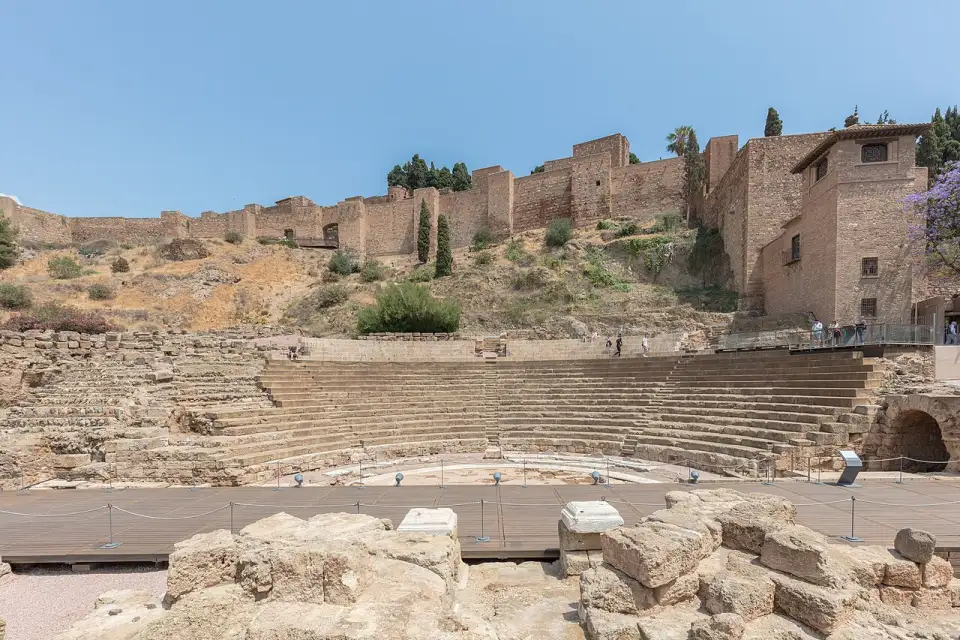
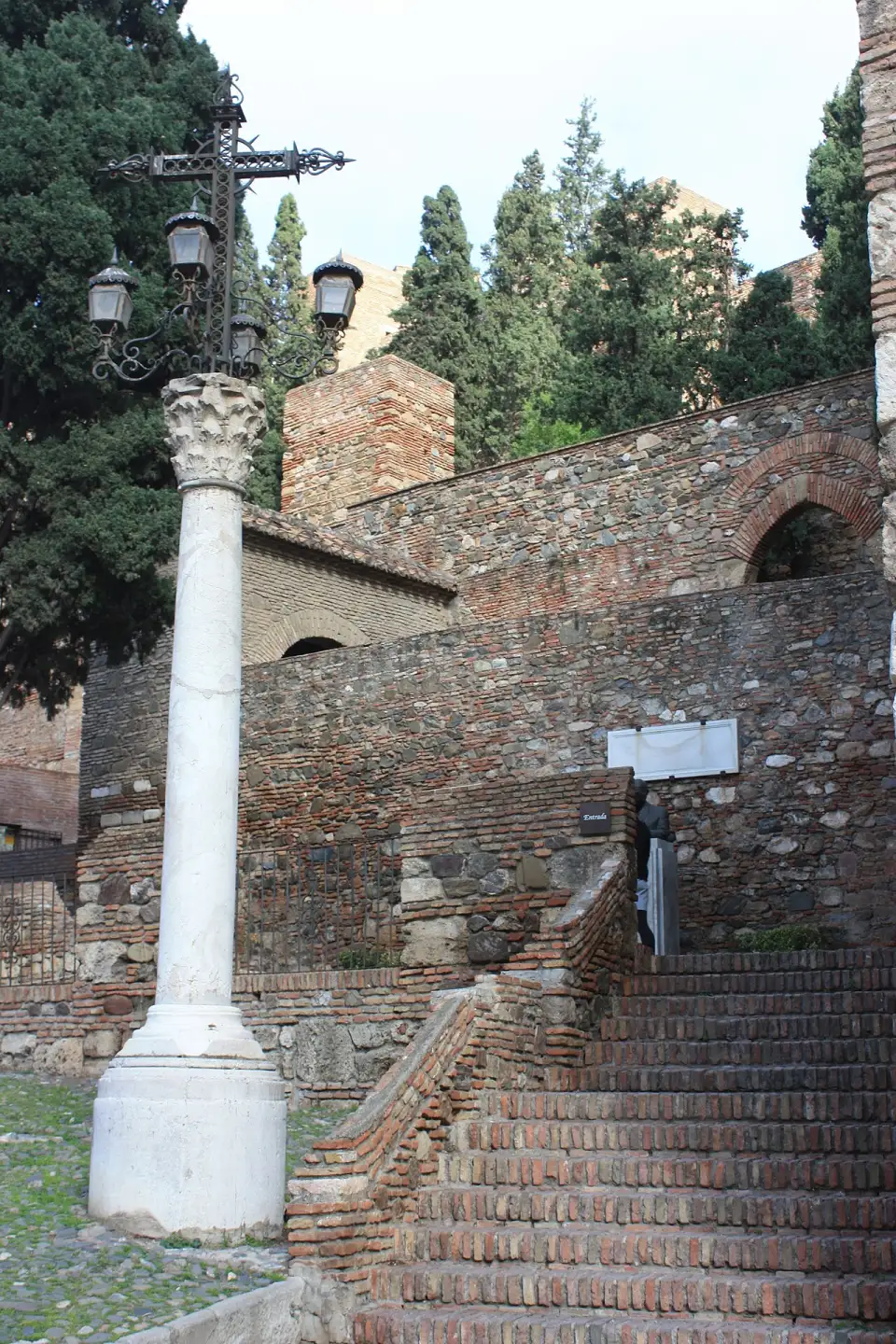
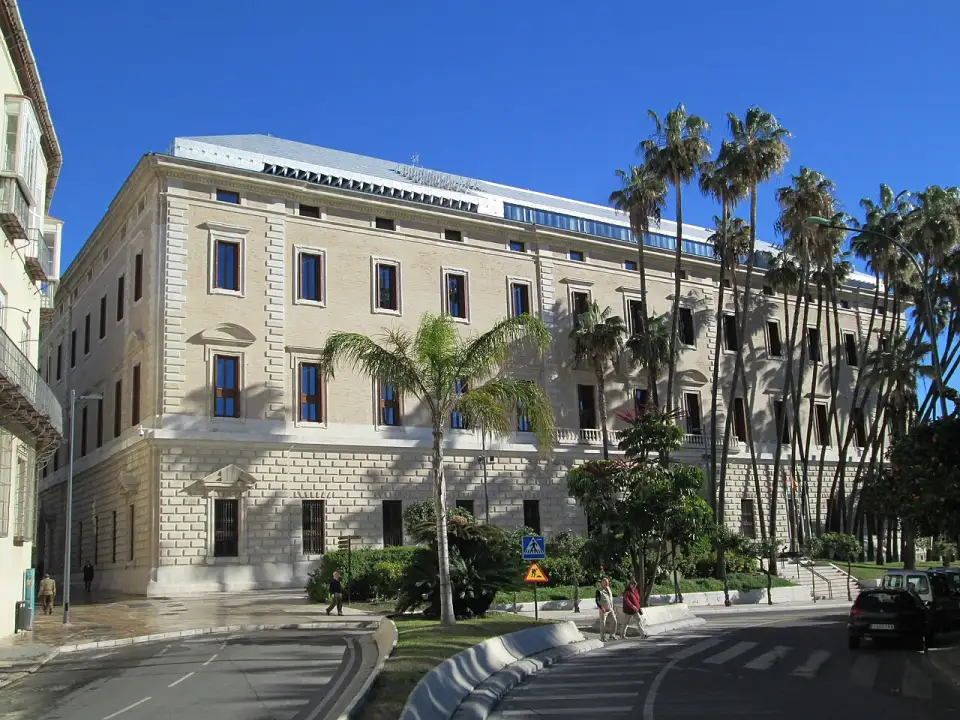
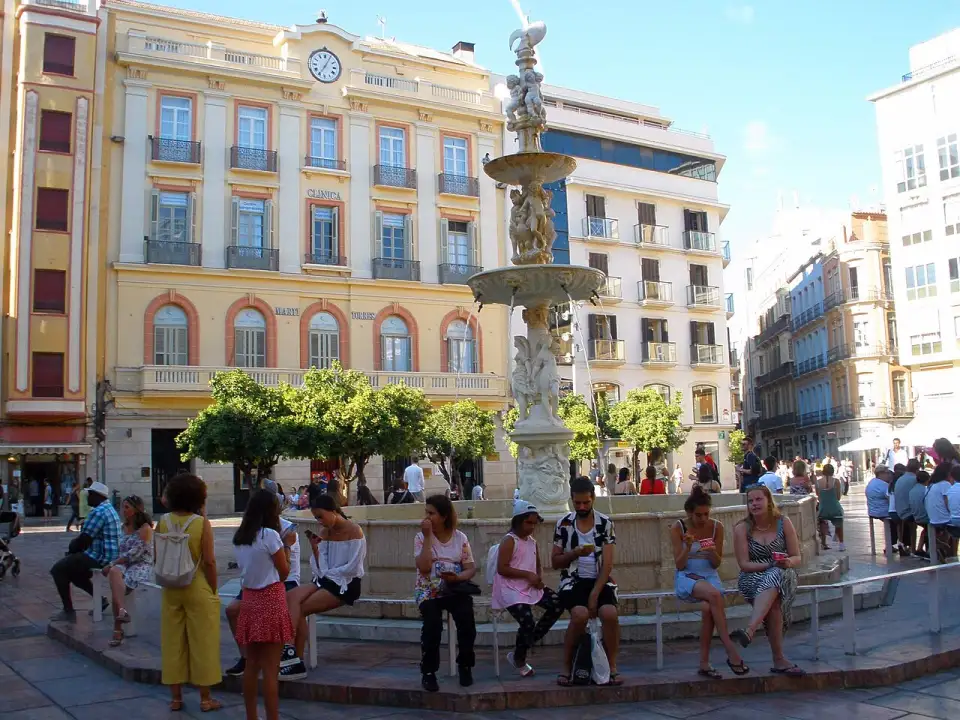
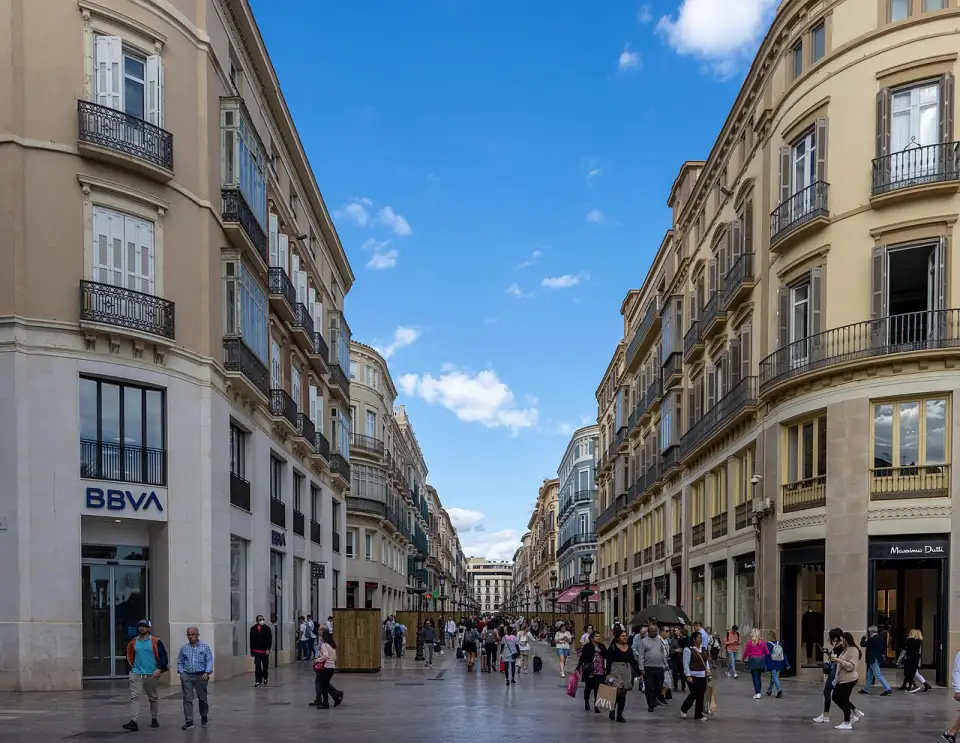
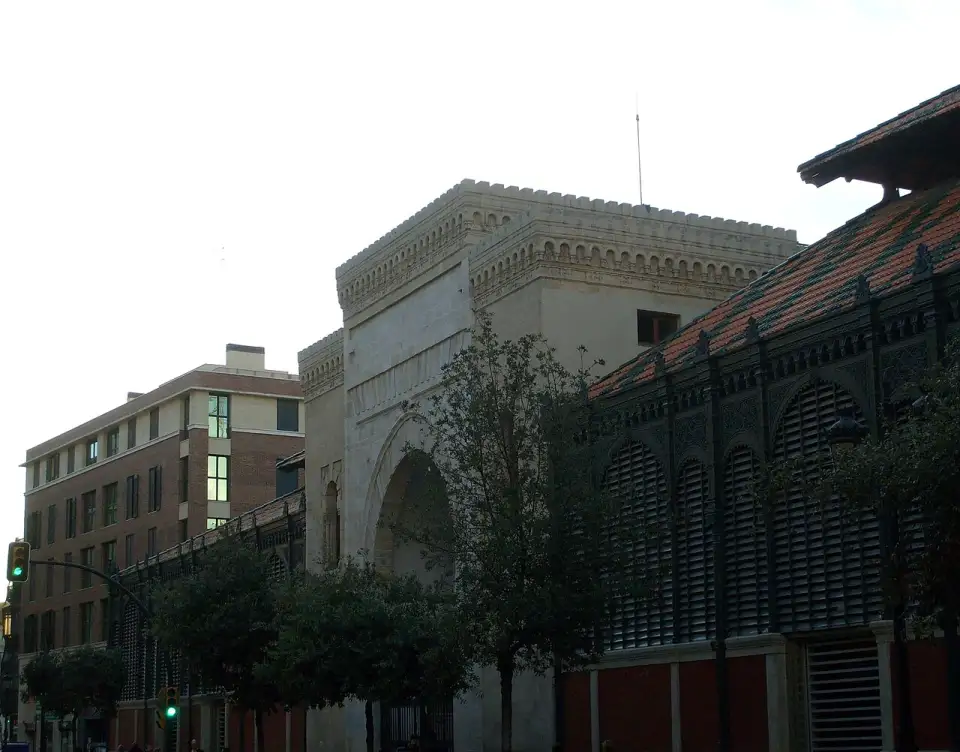
Few cities pack their history as tightly as Málaga. In barely a kilometre you go from a Roman theatre to a taifa fortress, from an 18th-century customs house to the square where the Constitution of 1812 was proclaimed, and on to the street the industrial bourgeoisie built to look like Paris. You finish at the gateway of a Nasrid shipyard that is now a market.
- 6 stops
- 1.6 km
- 1 h 40 min
- Free

The route
Stop by stop
-
1
-
2
-
3
-
4
-
5
-
6


Loading the map…
Guide mode
Walk it with GPS.
Open guide mode on your phone: you’ll see your position and the distance to each stop, and we’ll let you know when you arrive. Then read or listen.
Start with GPSTurn on your location
Walk to the spot
Check the photo and listen
What you’ll discover
Málaga in layers: from Malaka to Calle Larios
Three thousand years in one kilometre
A Phoenician wall, a Roman theatre, an Islamic fortress and Neoclassical palaces stand literally side by side on Calle Alcazabilla.
The Málaga that faced the sea
The Customs House, the Atarazanas and Calle Larios explain how the port made and broke fortunes for centuries.
History without clichés
Checked dates, real names and a clear warning whenever something is tradition rather than record.
Keep exploring
More routes in Málaga


Itineraries
How many days do you have in Málaga?
We’ve planned it day by day for you: which routes to walk and in what order, what else to see and where to eat.
Málaga in 1 day
All three routes in one full day: the highlights, the history and the legends at dusk.
See the itinerary 2Málaga in 2 days
A gentler pace: the three routes over two days, plus extra sights and where to eat.
See the itinerary 3Málaga in 3 days
The city in depth: one route a day, extra museums and neighbourhoods, and a day for good food.
See the itinerary