- Home
- Mexico
- Mexico City
- Mysteries & legends
Mexico City · Mysteries & legends
Legends of Colonial Mexico: Tiles, Witches and Hidden Bones
Colonial Mexico City told its own story through legends: pacts with the devil, divine punishments and miracles that 19th-century chroniclers wrote down. This route follows them street by street and, at every stop, separates what tradition says from what the documents show. It ends in front of a very real mystery: the hiding place of Cortés's remains.
- 5 stops
- 2.1 km
- 1 h 45 min
- Free

The route
Stop by stop
-
1
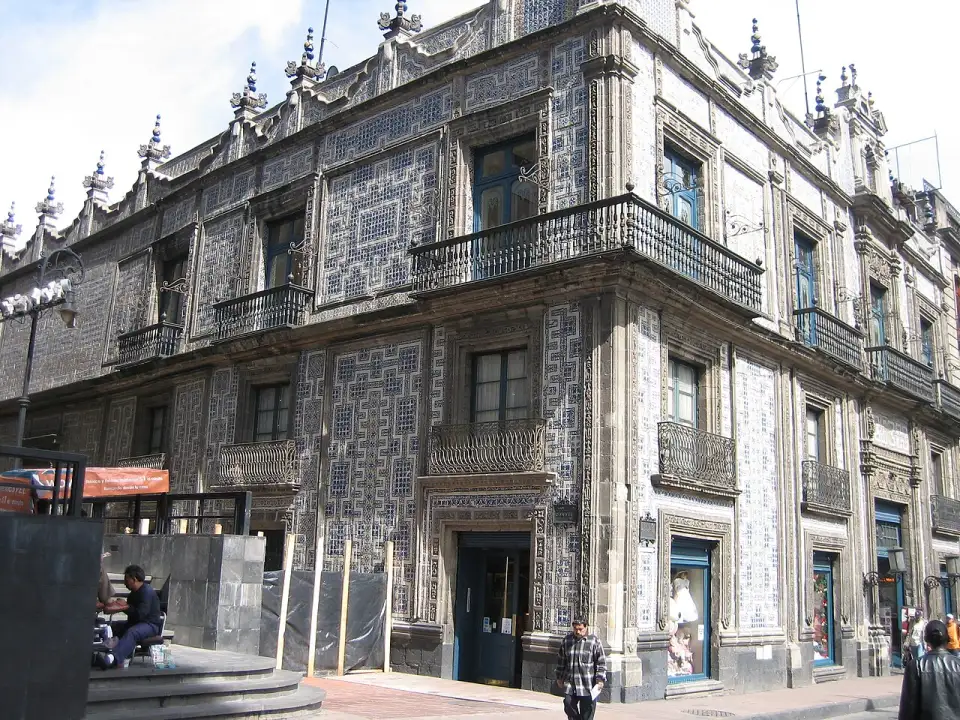
-
2
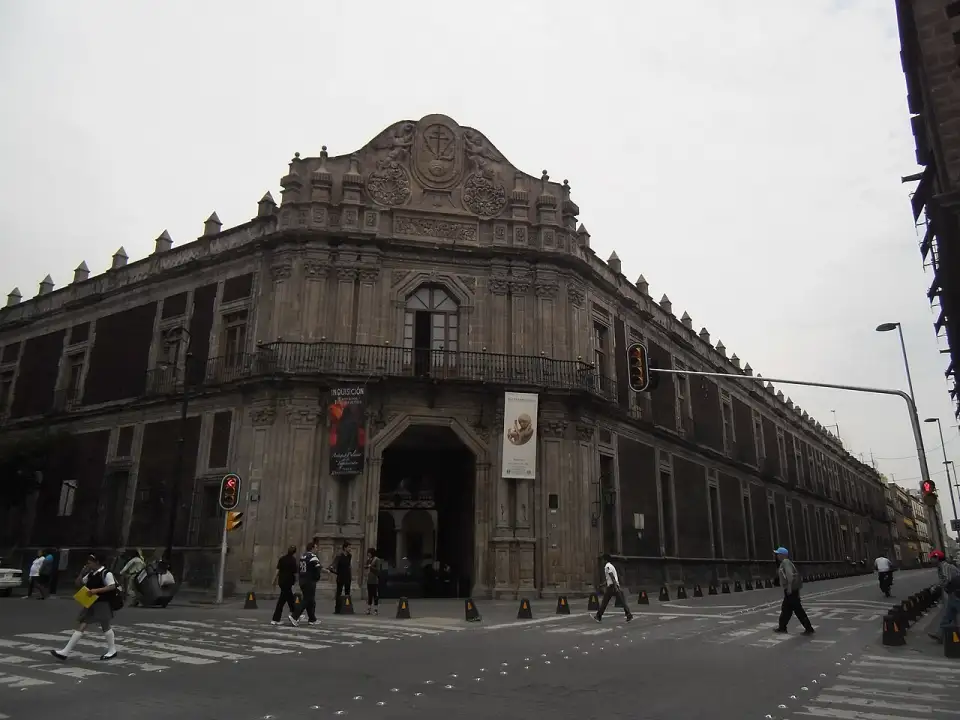
-
3
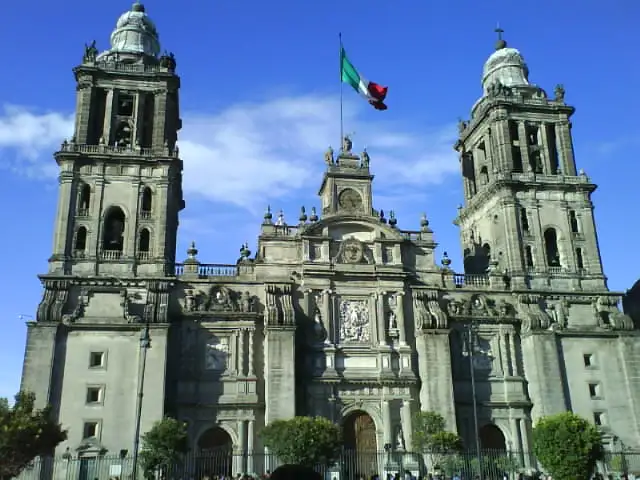
-
4
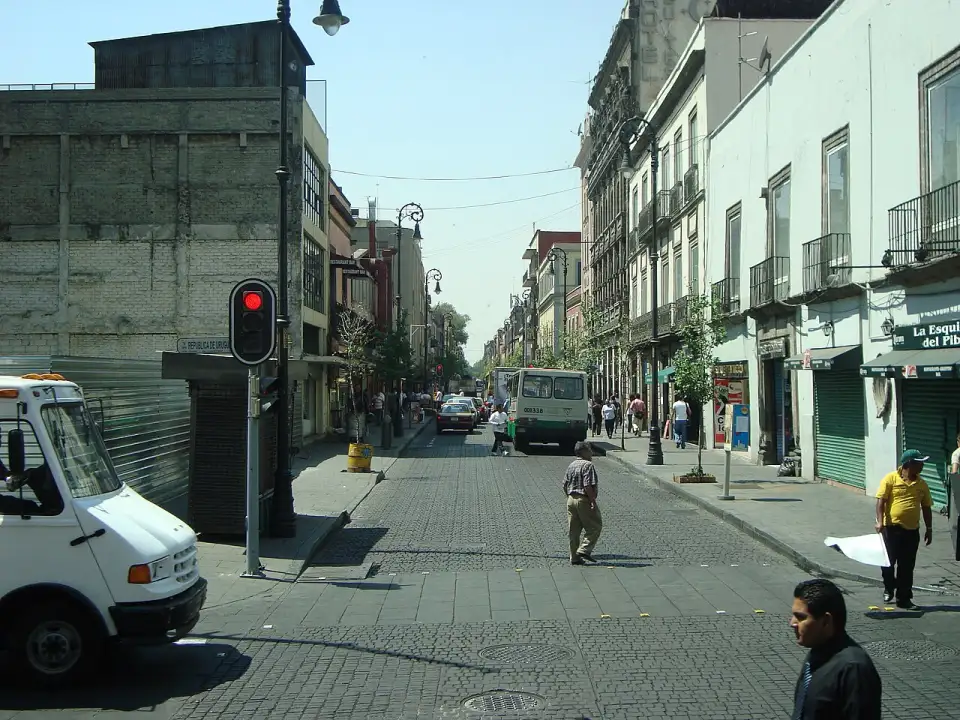
-
5


Loading the map…
Guide mode
Walk it with GPS.
Open guide mode on your phone: you’ll see your position and the distance to each stop, and we’ll let you know when you arrive. Then read or listen.
Start with GPSTurn on your location
Walk to the spot
Check the photo and listen
What you’ll discover
Legends of Colonial Mexico: Tiles, Witches and Hidden Bones
Legends with an address
The House of Tiles, the Inquisition's prison and Don Juan Manuel's street: every legend has its façade.
Tradition versus record
At each stop we tell you what is known for certain and what belongs to popular memory.
A secret from 1823
The conquistador's bones, hidden after independence and found again in 1946 thanks to a forgotten affidavit.
Keep exploring

