Milan · History
From Mediolanum to the Sforza: twenty centuries on foot
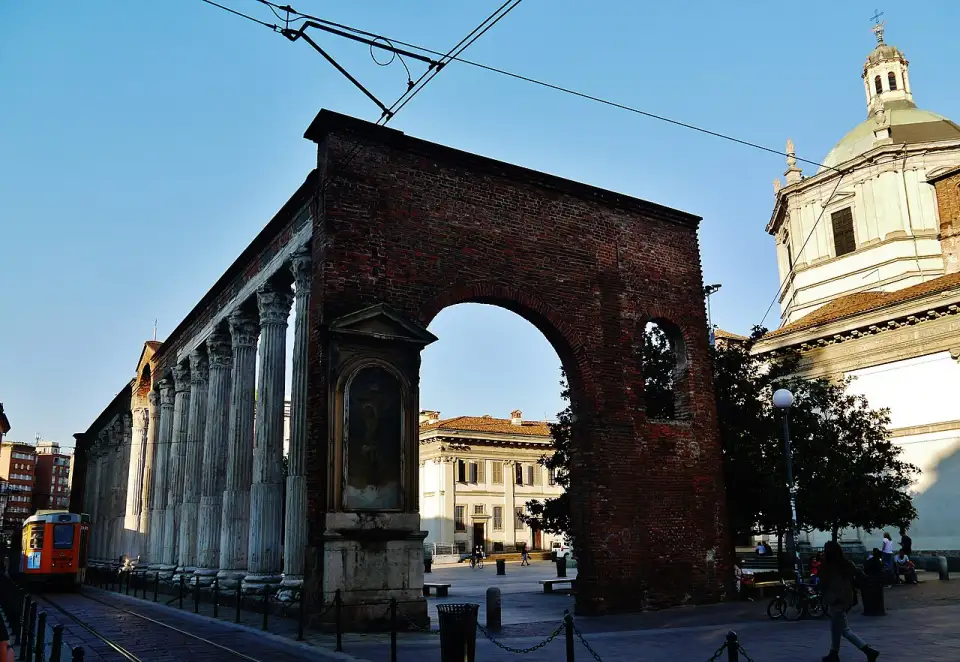
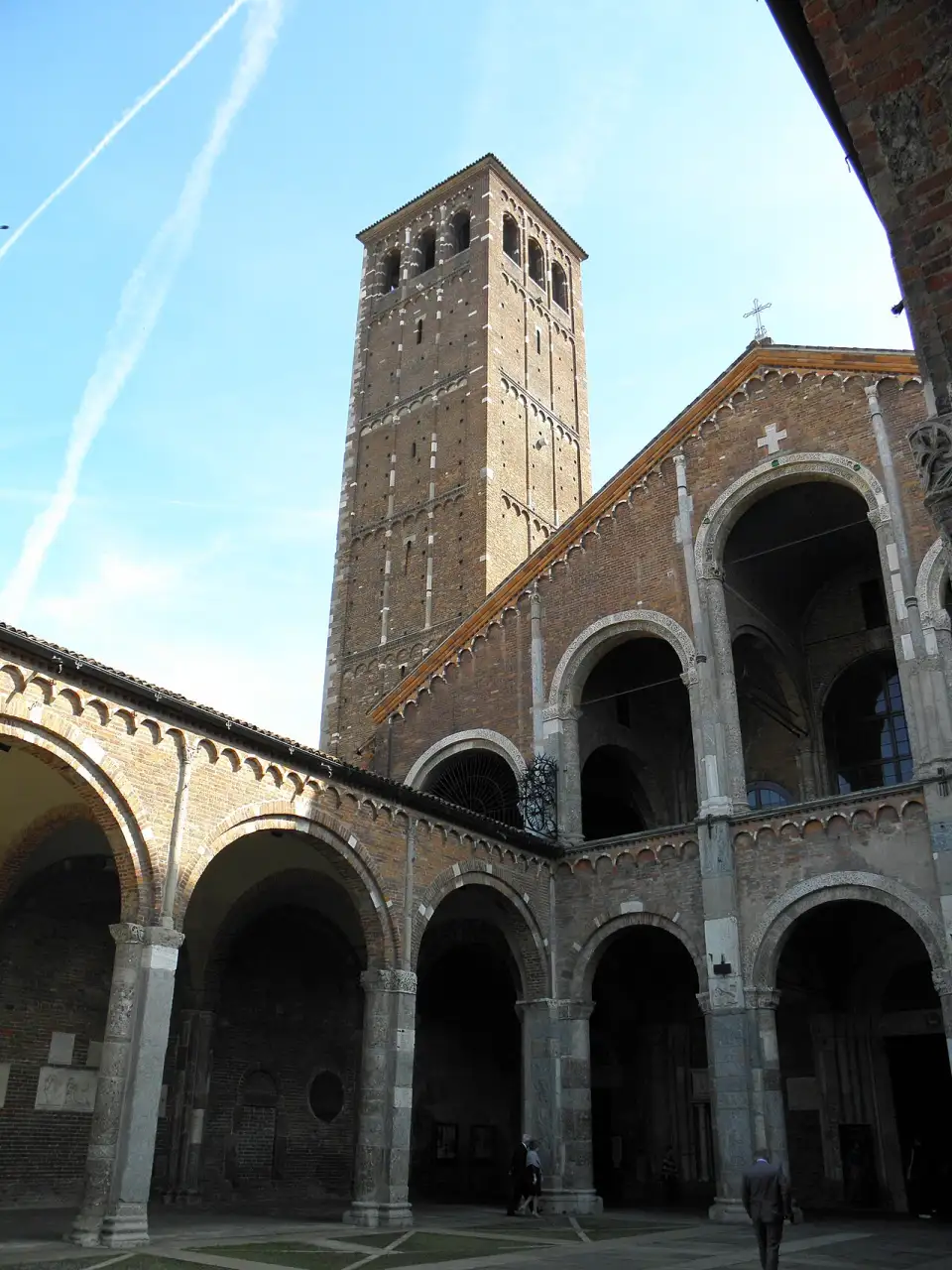
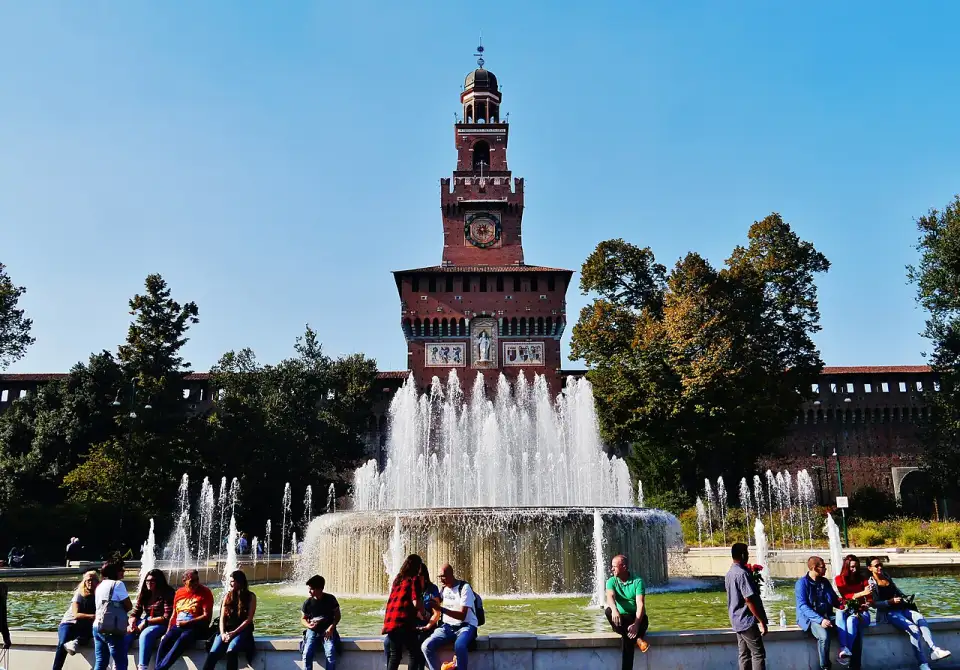
Milan was capital of the Western Roman Empire, the city of Ambrose and the court of the Sforza long before it became the metropolis you know today. This route follows that thread from the columns of San Lorenzo to the tower of the Castello, through the places where much of its history was decided.
- 5 stops
- 2.7 km
- 1 h 45 min
- Free

The route
Stop by stop
-
1
-
2
-
3
-
4
-
5


Loading the map…
Guide mode
Walk it with GPS.
Open guide mode on your phone: you’ll see your position and the distance to each stop, and we’ll let you know when you arrive. Then read or listen.
Start with GPSTurn on your location
Walk to the spot
Check the photo and listen
What you’ll discover
From Mediolanum to the Sforza: twenty centuries on foot
Capital of an empire
Between the 3rd and 5th centuries, Mediolanum was an imperial seat. Its traces still peep out between trams and shop windows.
Ambrose and the Sforza
A bishop who became the city's patron saint, and a dynasty of dukes who filled it with art and fortifications.
Leonardo's Milan
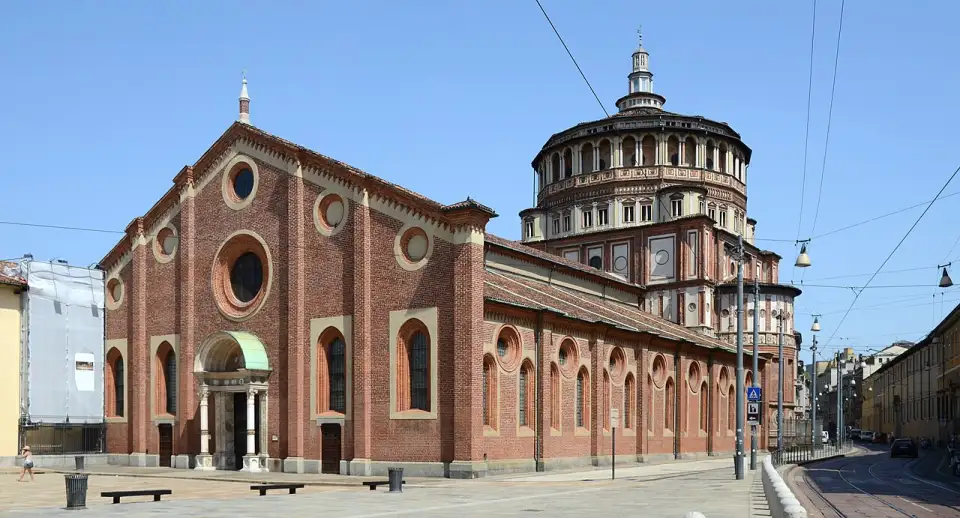
The convent where he painted the Last Supper and the castle where he decorated the Sala delle Asse for Ludovico il Moro.
Keep exploring

