- Home
- Spain
- Palma de Mallorca
- History
Palma de Mallorca · History
From Madina Mayurqa to the Kingdom of Mallorca
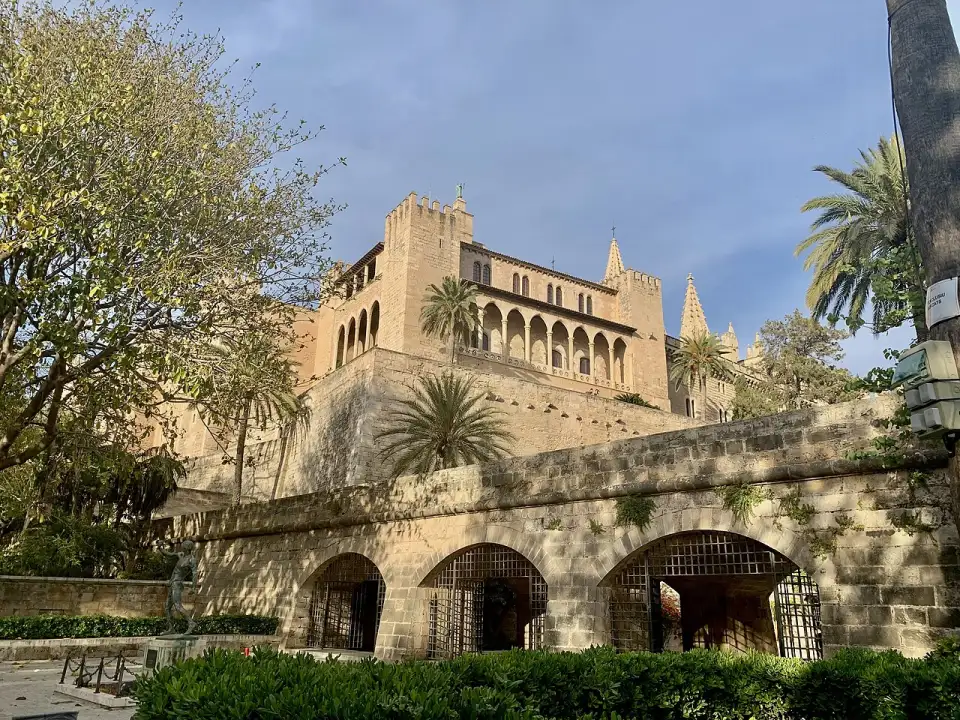
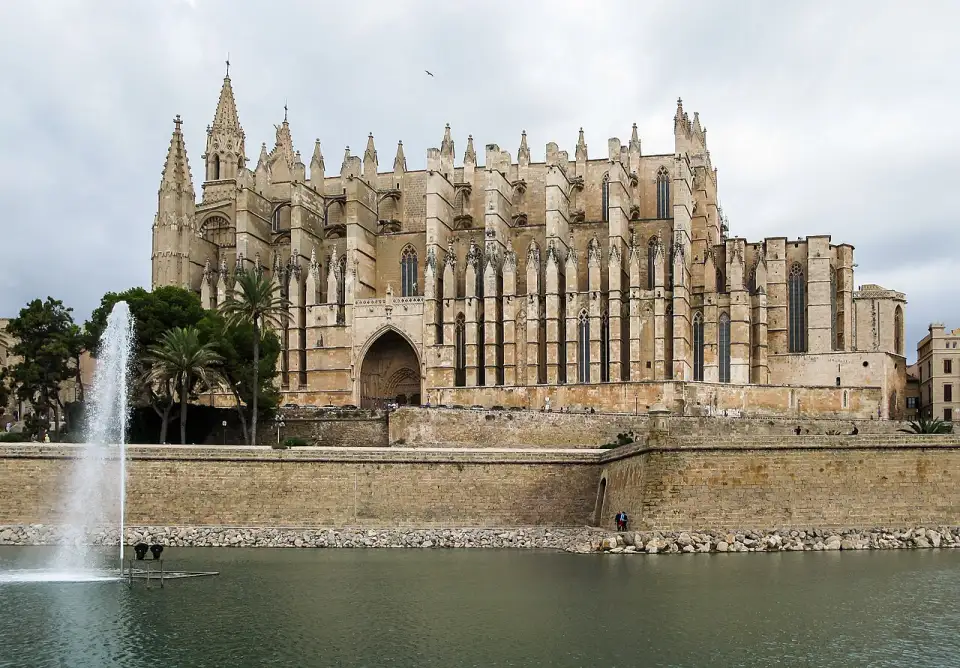
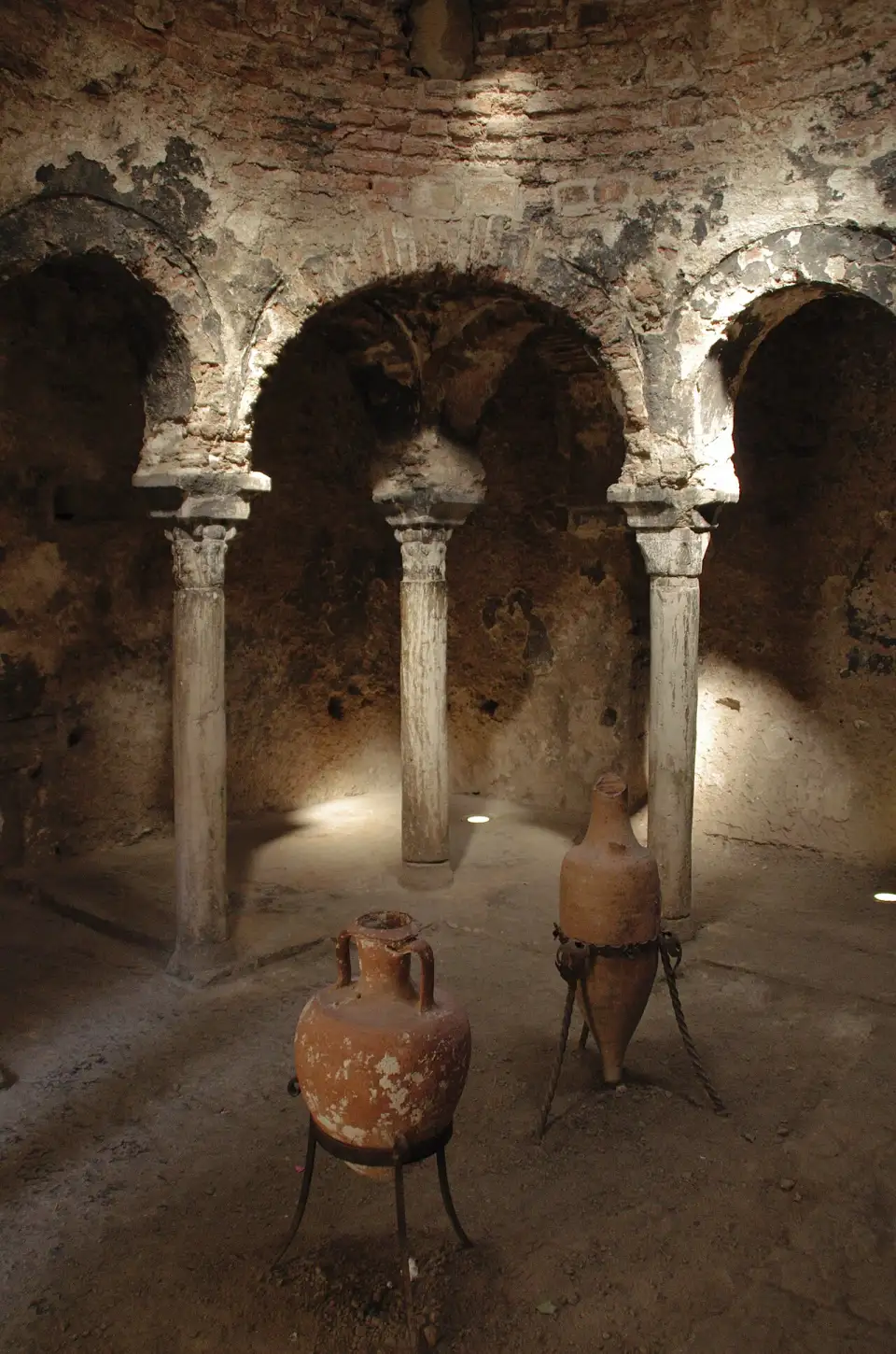
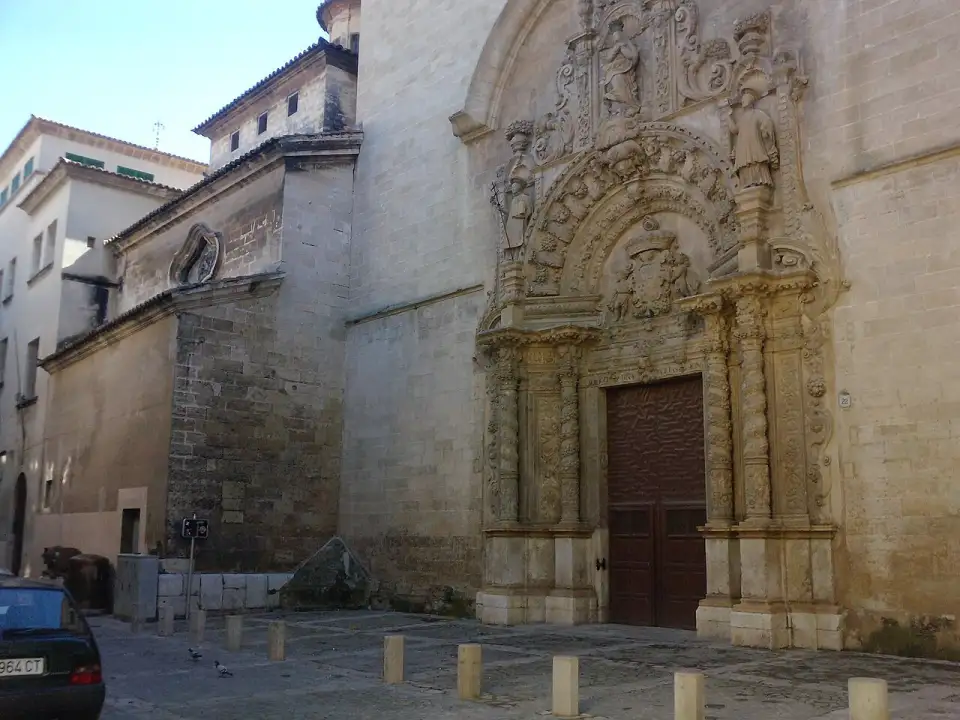
This route covers eight centuries of history in little more than a kilometre. You start beneath the Almudaina and the cathedral, dive into the winding lanes of La Calatrava, where the baths of Madina Mayurqa and the memory of the Jewish quarter survive, and finish at the parish church where James II was crowned in 1276.
- 6 stops
- 1.3 km
- 1 h 30 min
- Free

The route
Stop by stop
-
1
-
2
-
3
-
4
-
5
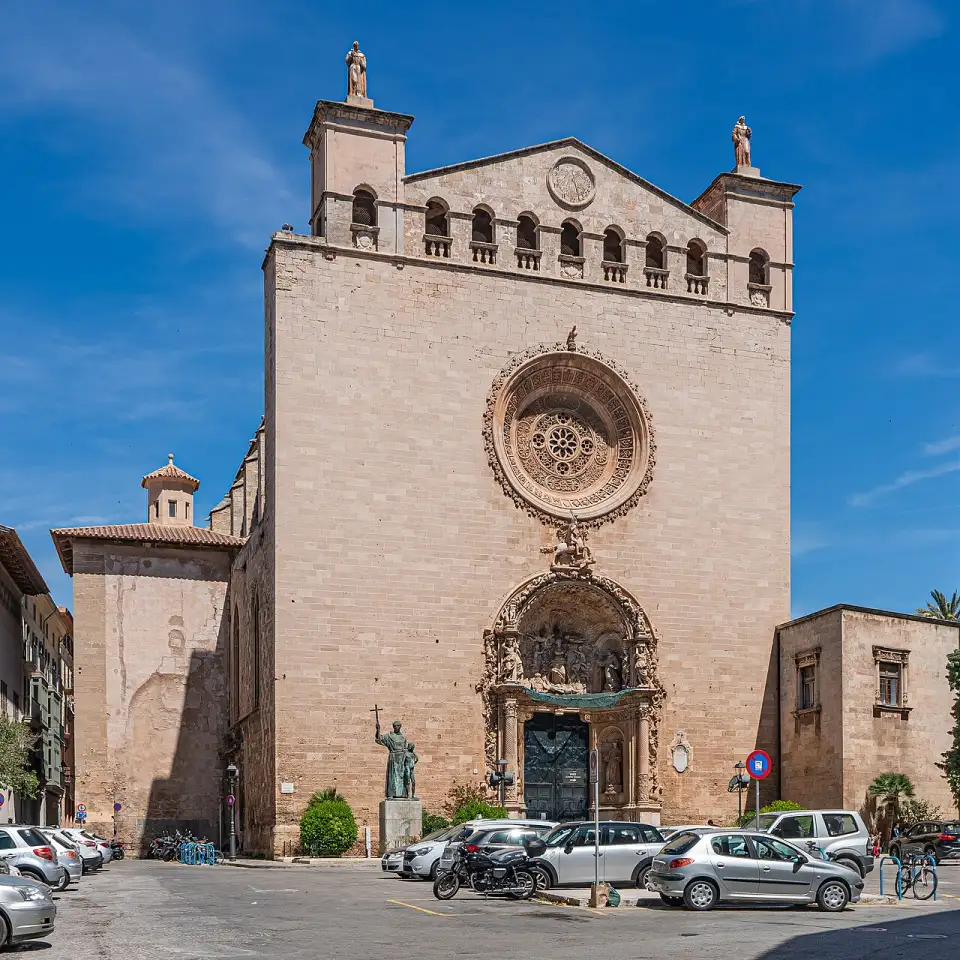
-
6
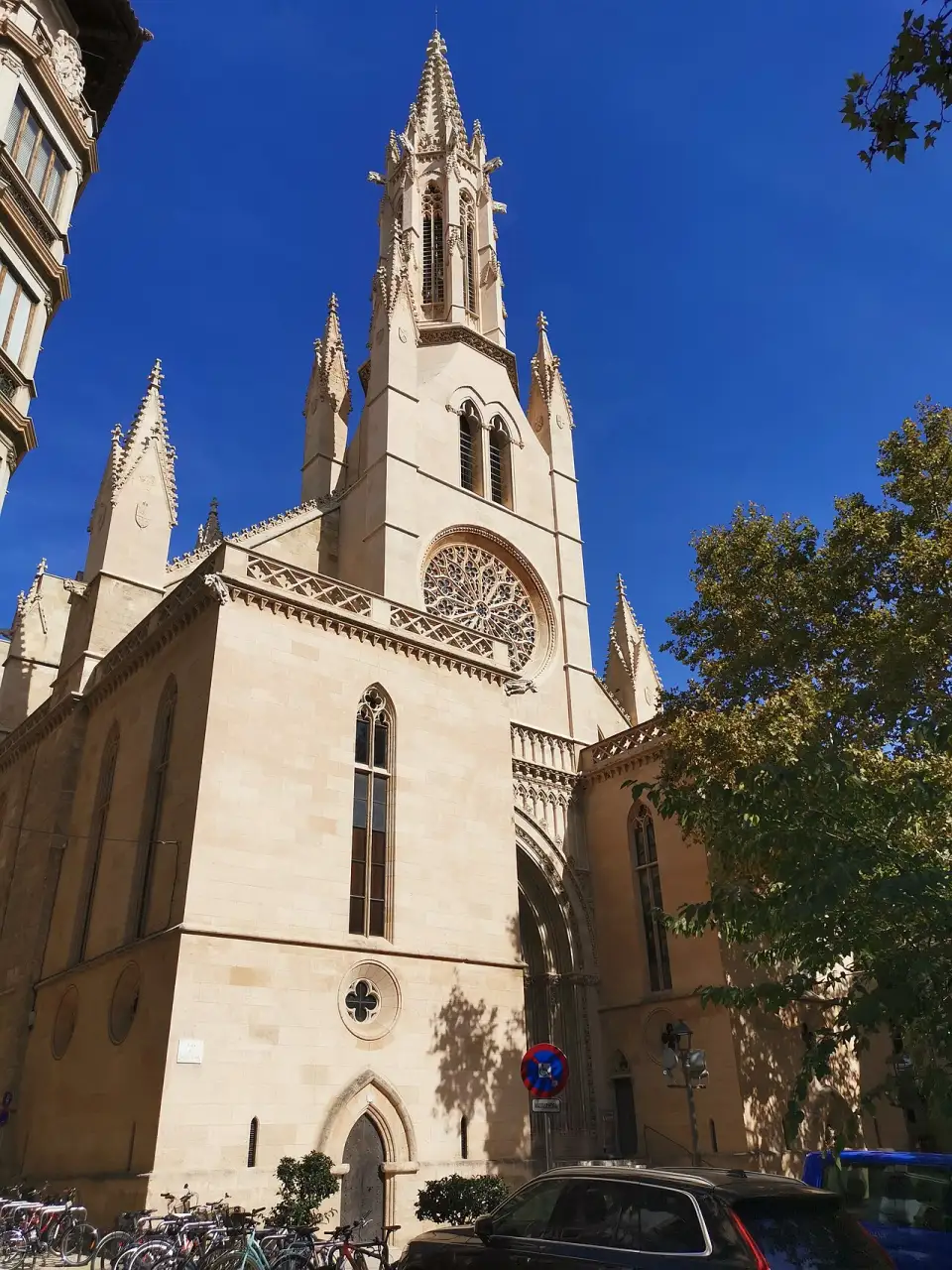


Loading the map…
Guide mode
Walk it with GPS.
Open guide mode on your phone: you’ll see your position and the distance to each stop, and we’ll let you know when you arrive. Then read or listen.
Start with GPSTurn on your location
Walk to the spot
Check the photo and listen
What you’ll discover
From Madina Mayurqa to the Kingdom of Mallorca
Three cities in one
Roman Palma, Islamic Madina Mayurqa and the Christian city share the same walls.
A kingdom of its own
Discover how Mallorca had its own king, court and coinage for some seventy years.
The memory of the Call
The story of Palma's Jewish community, told with respect in the place where it lived.
Keep exploring
More routes in Palma de Mallorca


Itineraries
How many days do you have in Palma de Mallorca?
We’ve planned it day by day for you: which routes to walk and in what order, what else to see and where to eat.
Palma de Mallorca in 1 day
All three routes in one full day: the highlights, the history and the legends at dusk.
See the itinerary 2Palma de Mallorca in 2 days
A gentler pace: the three routes over two days, plus extra sights and where to eat.
See the itinerary 3Palma de Mallorca in 3 days
The city in depth: one route a day, extra museums and neighbourhoods, and a day for good food.
See the itinerary