Singapore · History
Sultans, Merchants and Gods: from Kampong Glam to Little India
Long before it became a financial powerhouse, Singapore was a port where Malay sultans, Bugis shipowners, Arab traders and labourers from India crossed paths. This walk links Kampong Glam, the district the 1819 treaty set aside for the sultan, with Little India, where the air still smells of spices and jasmine garlands. Six stops to understand how the city was divided up, and who built it.
- 6 stops
- 2 km
- 1 h 50 min
- Free

The route
Stop by stop
-
1
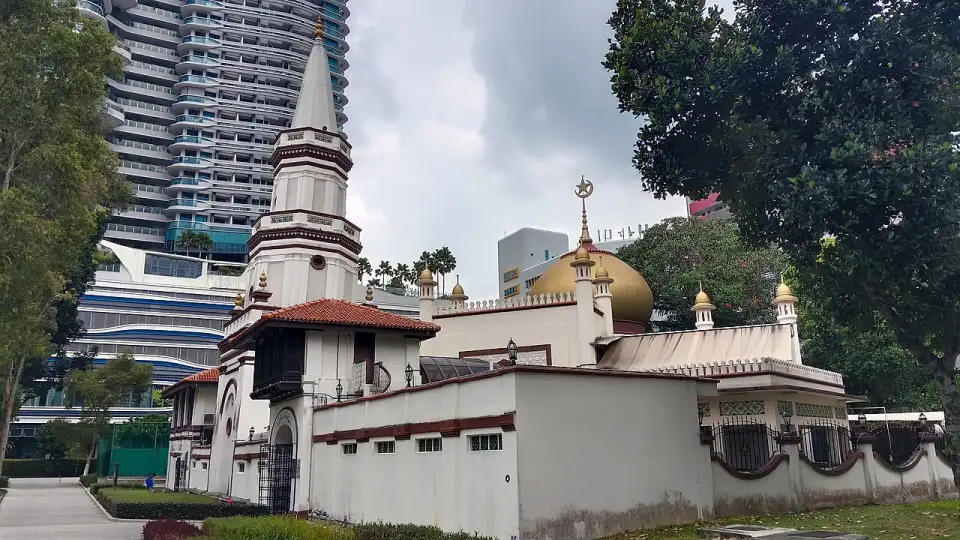
-
2
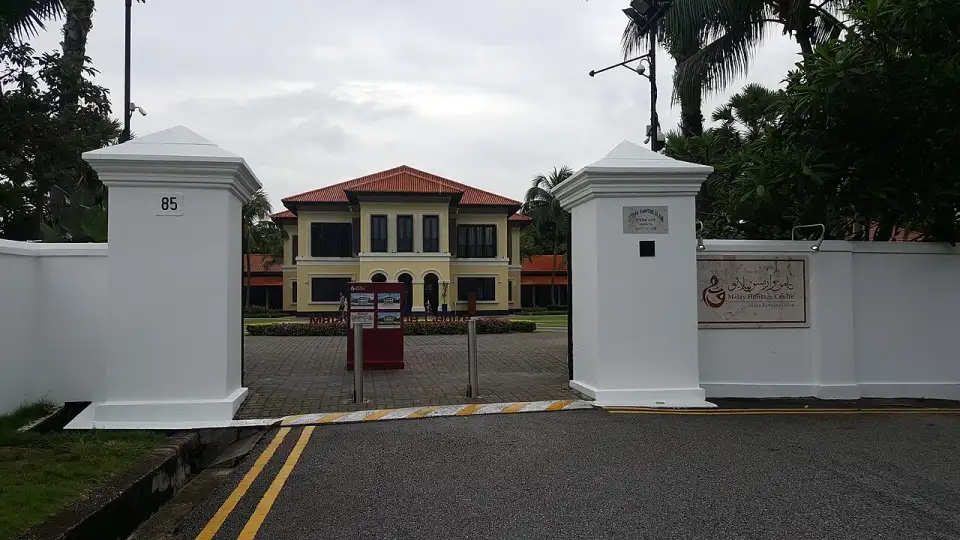
-
3
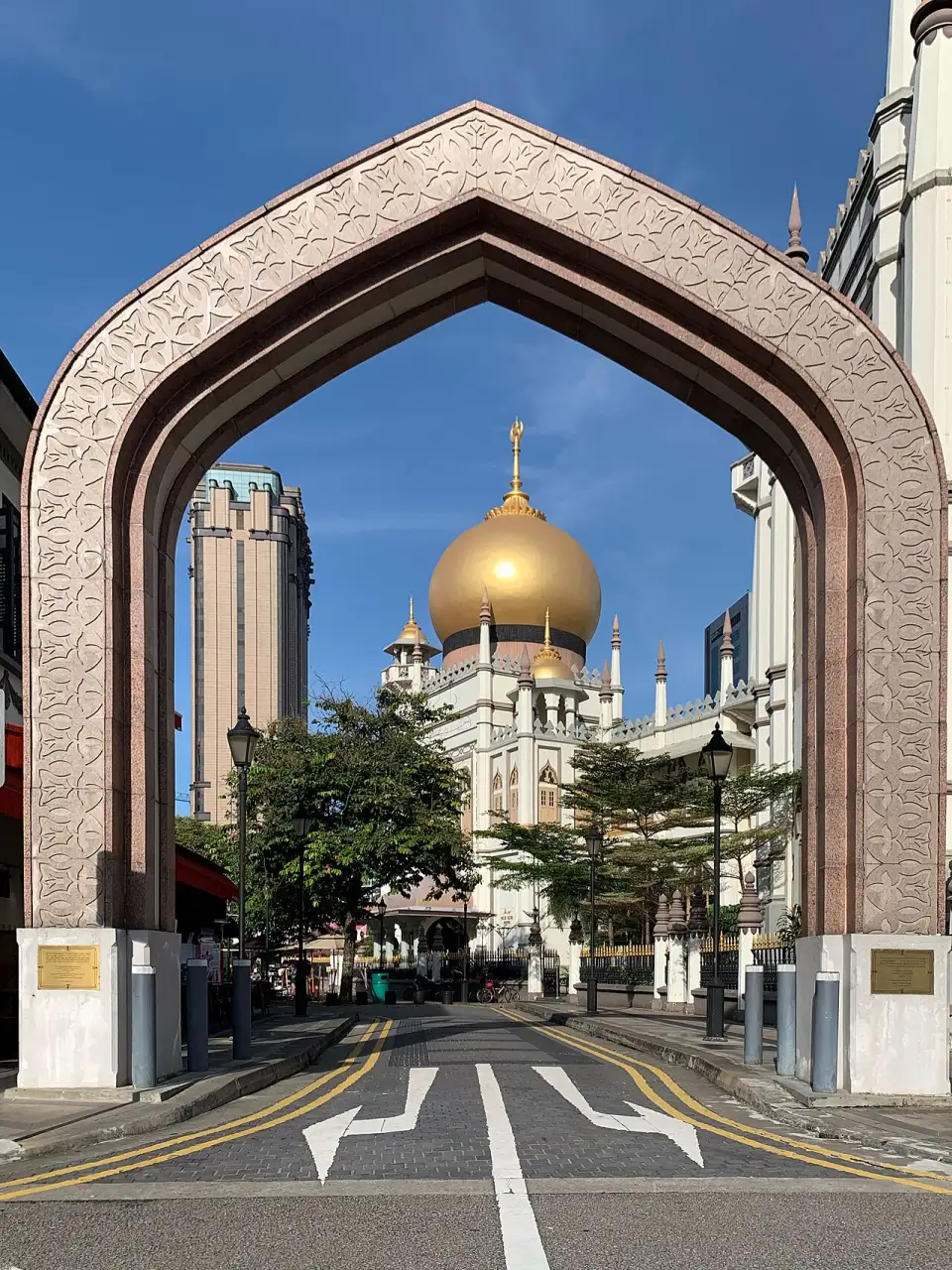
-
4
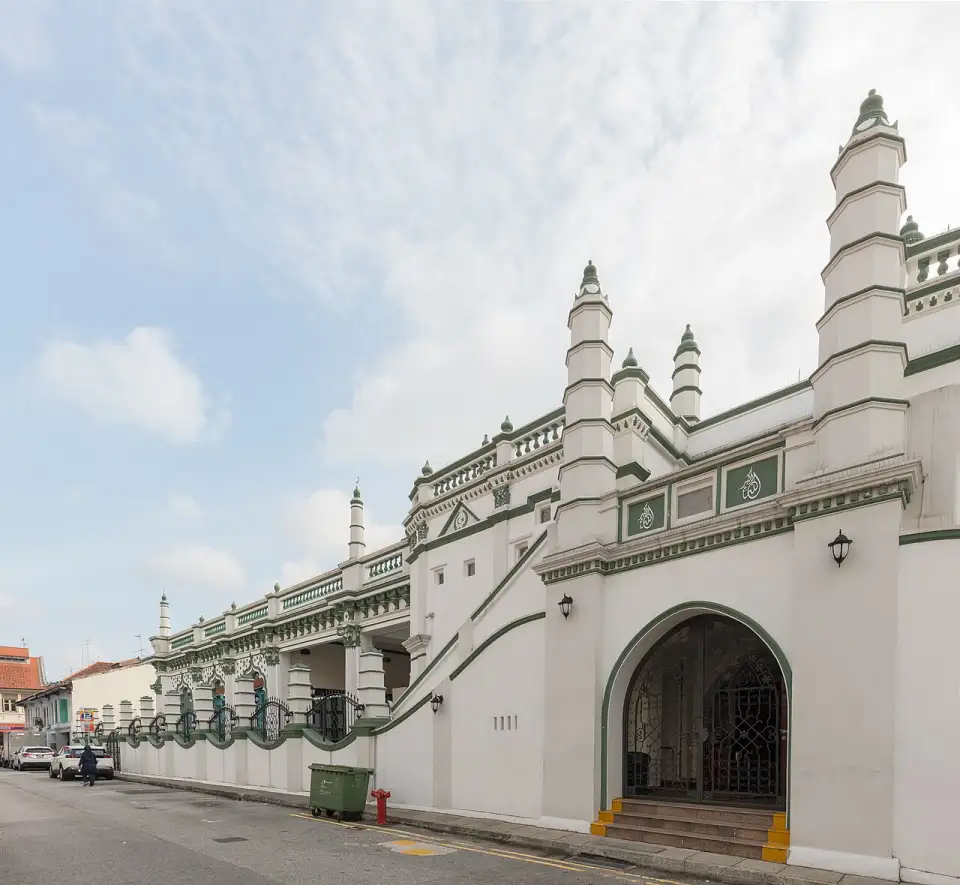
-
5
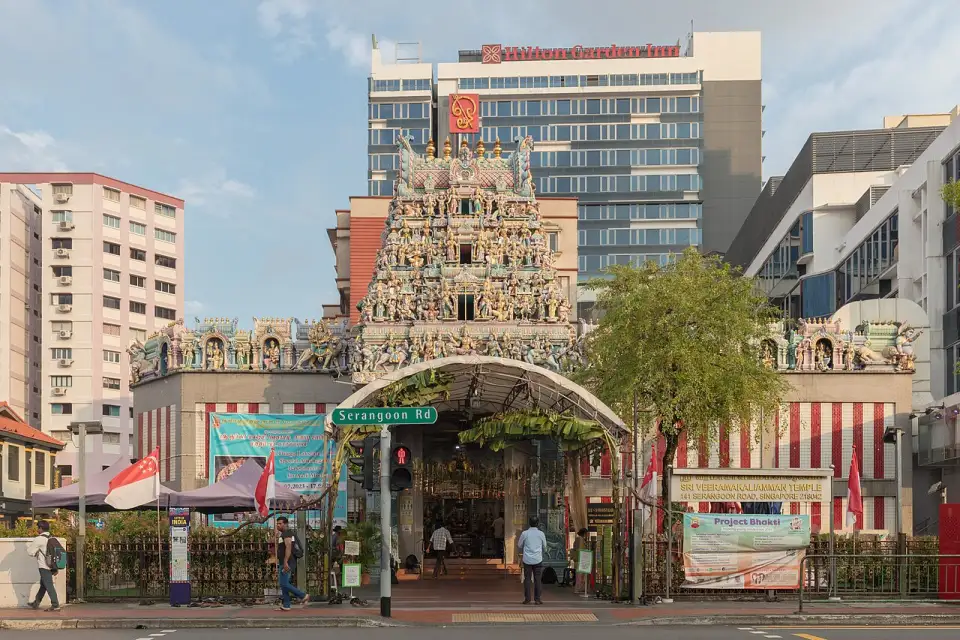
-
6
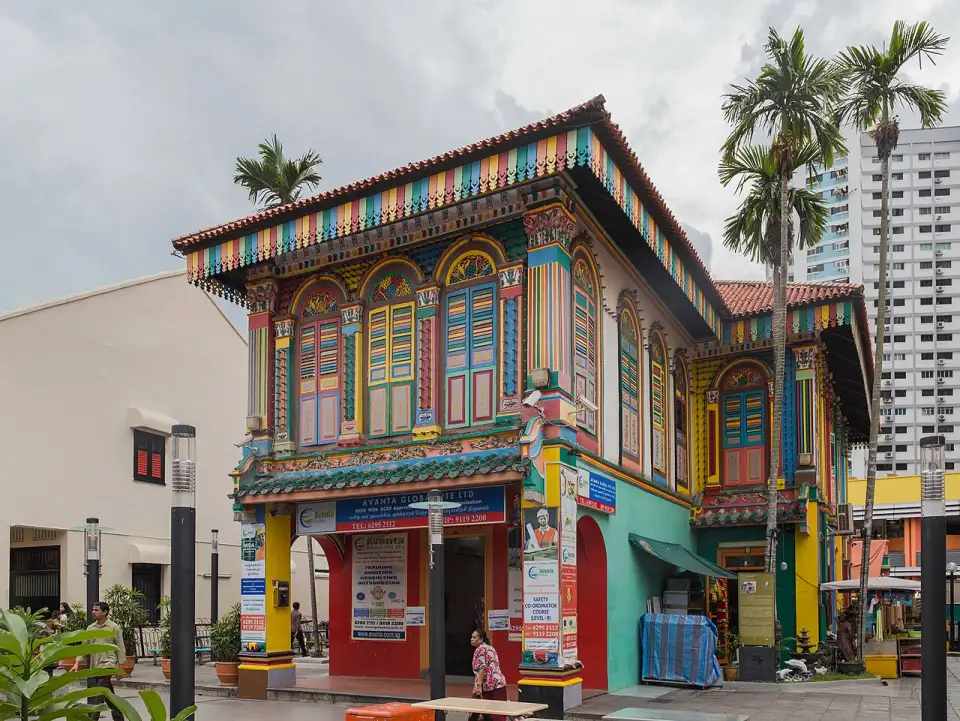


Loading the map…
Guide mode
Walk it with GPS.
Open guide mode on your phone: you’ll see your position and the distance to each stop, and we’ll let you know when you arrive. Then read or listen.
Start with GPSTurn on your location
Walk to the spot
Check the photo and listen
What you’ll discover
Sultans, Merchants and Gods: from Kampong Glam to Little India
The 1819 treaty
The deal with Sultan Hussein that let the British settle on the island, and the palace he received in return.
Women and patrons
A Malacca shipping magnate, a lawyer's clerk and a sweet-maker who left their names in stone.
Districts by decree
How the colonial plan assigned each community a quarter, and how each community made it its own.
Keep exploring

