Vienna · History
From Vindobona to the 1938 balcony: two thousand years of Vienna
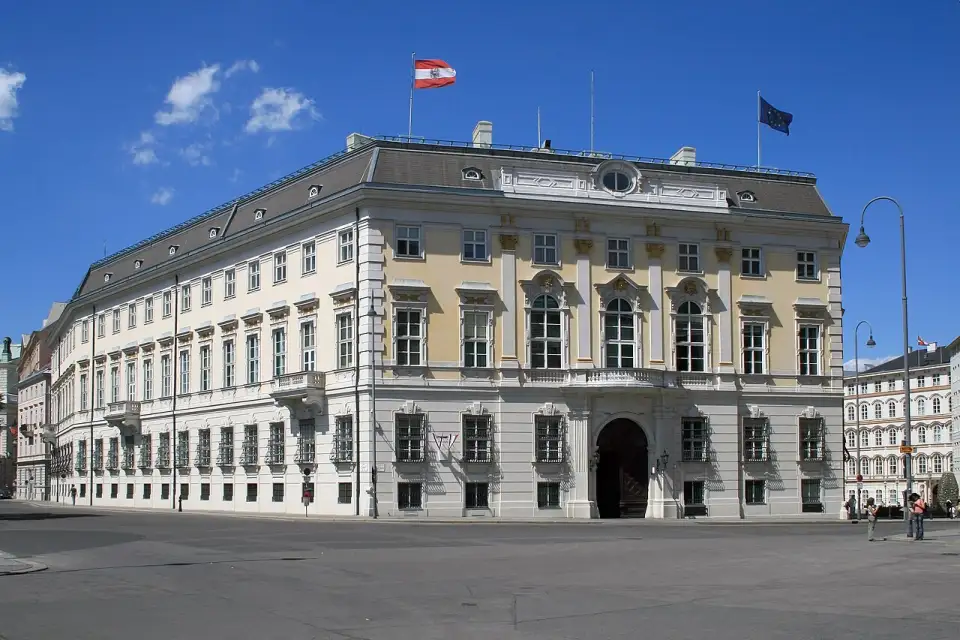
This route peels Vienna back layer by layer, from the oldest to the most recent. It starts on the stones of the Roman camp and ends beneath the balcony from which, in 1938, the end of Austria as an independent state was announced. Six squares, two millennia and one thread you can follow without doubling back.
- 6 stops
- 1.6 km
- 1 h 40 min
- Free

The route
Stop by stop
-
1
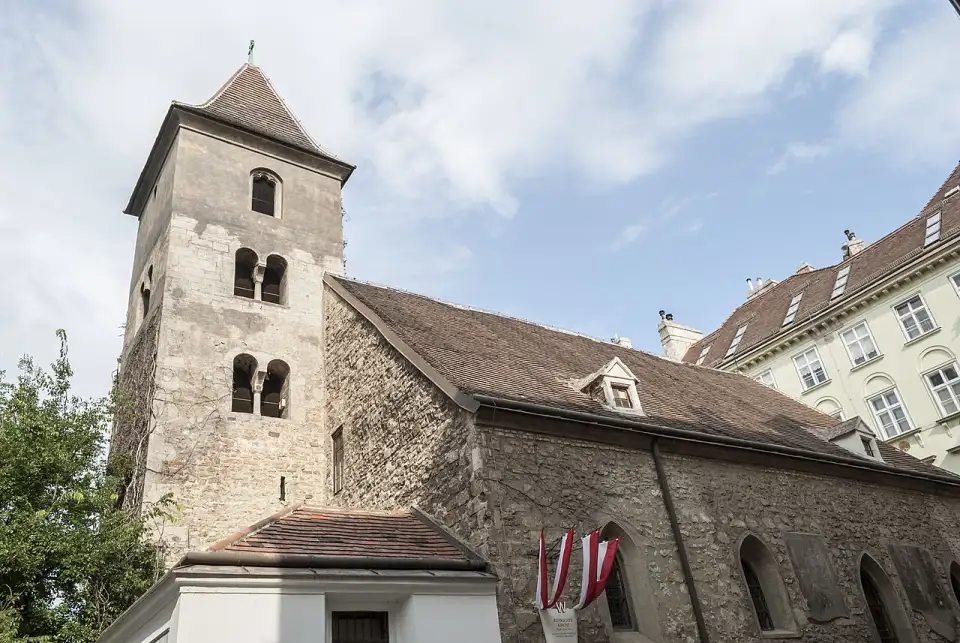
-
2
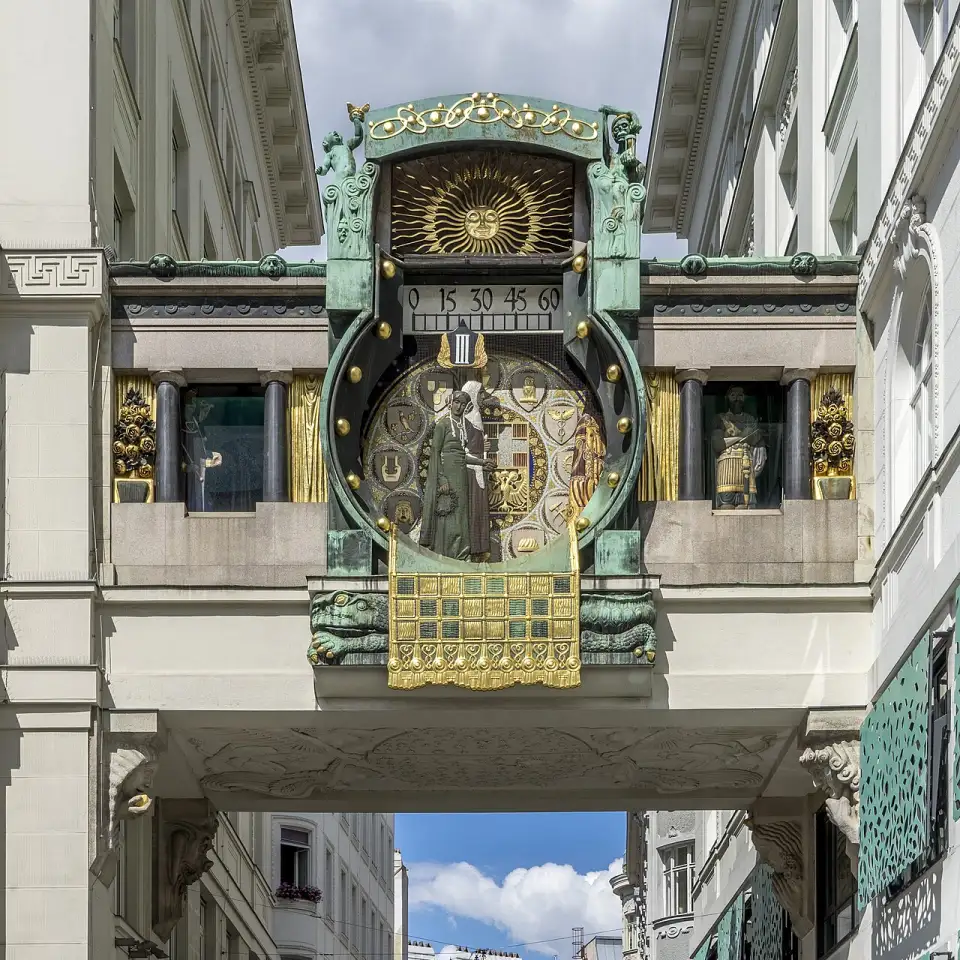
-
3
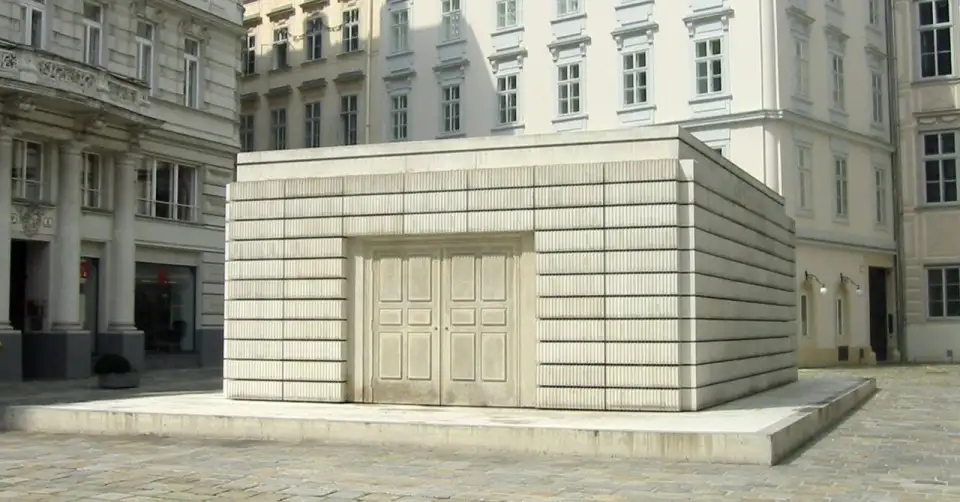
-
4
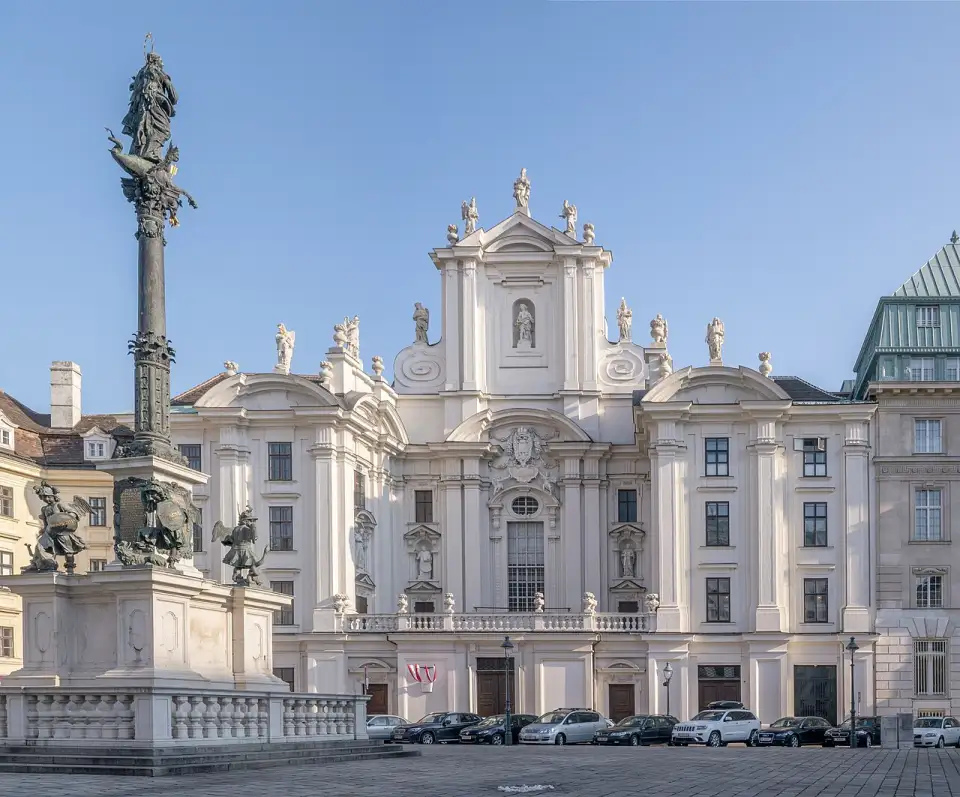
-
5
-
6


Loading the map…
Guide mode
Walk it with GPS.
Open guide mode on your phone: you’ll see your position and the distance to each stop, and we’ll let you know when you arrive. Then read or listen.
Start with GPSTurn on your location
Walk to the spot
Check the photo and listen
What you’ll discover
From Vindobona to the 1938 balcony: two thousand years of Vienna
Rome beneath your feet
Vienna began as Vindobona, a legionary camp on the Danube, and its outline still shows in the streets of the First District.
Power and memory
From the Babenberg residence to the Federal Chancellery, by way of the memorial to Austria's Holocaust victims.
A short, flat walk
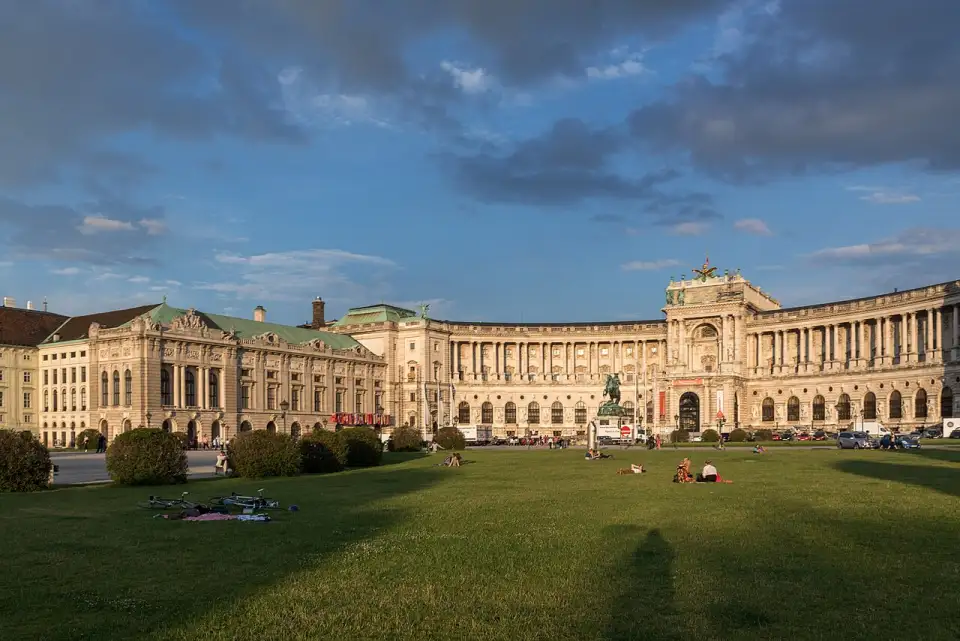
About 1.6 km through the old town, from the city's oldest church to the great open square of the Hofburg.
Keep exploring

