Bilbao · History
From town charter to iron port
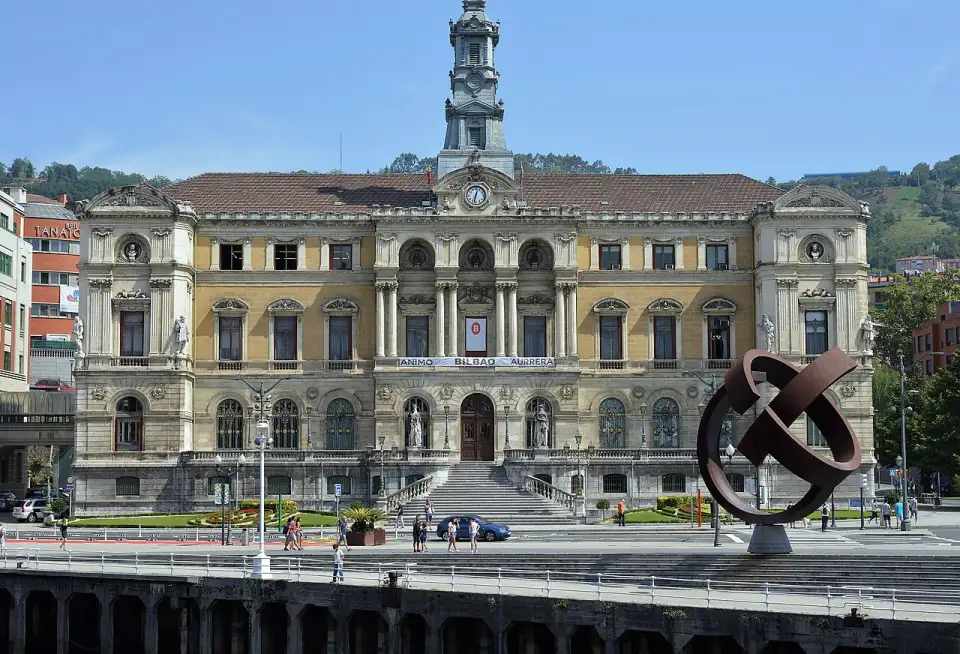
Bilbao was born in 1300 as a merchants’ town on the river, and almost everything that followed comes back to the water: wool shipped to Flanders, iron loaded for England, sieges and floods. This route crosses the Old Town, Alde Zaharra in Basque, from the church and bridge that appear on the city’s coat of arms to the City Hall of 1892.
- 6 stops
- 1.6 km
- 1 h 35 min
- Free

The route
Stop by stop
-
1
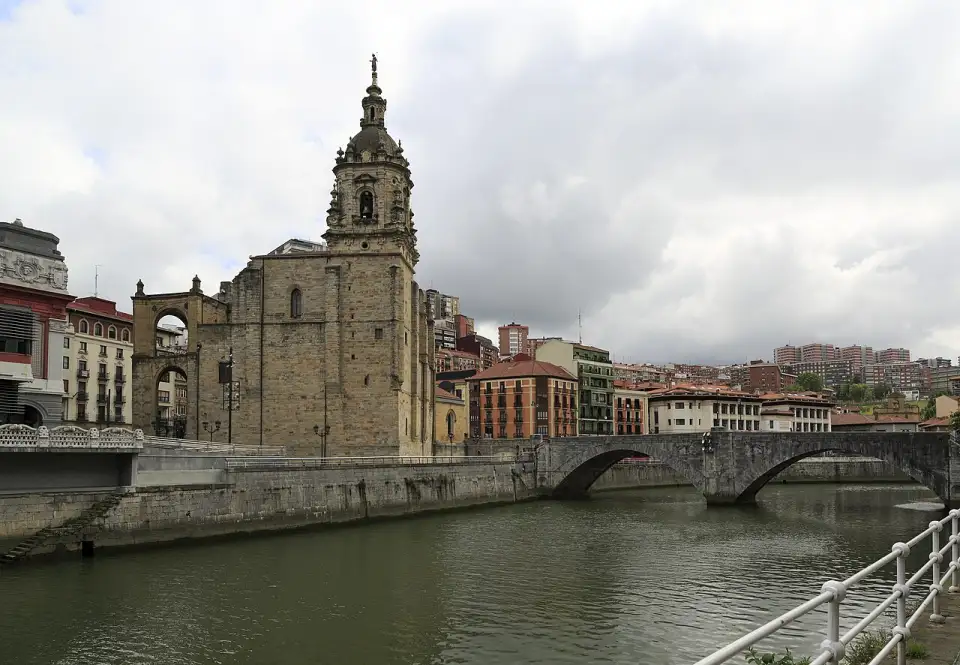
-
2
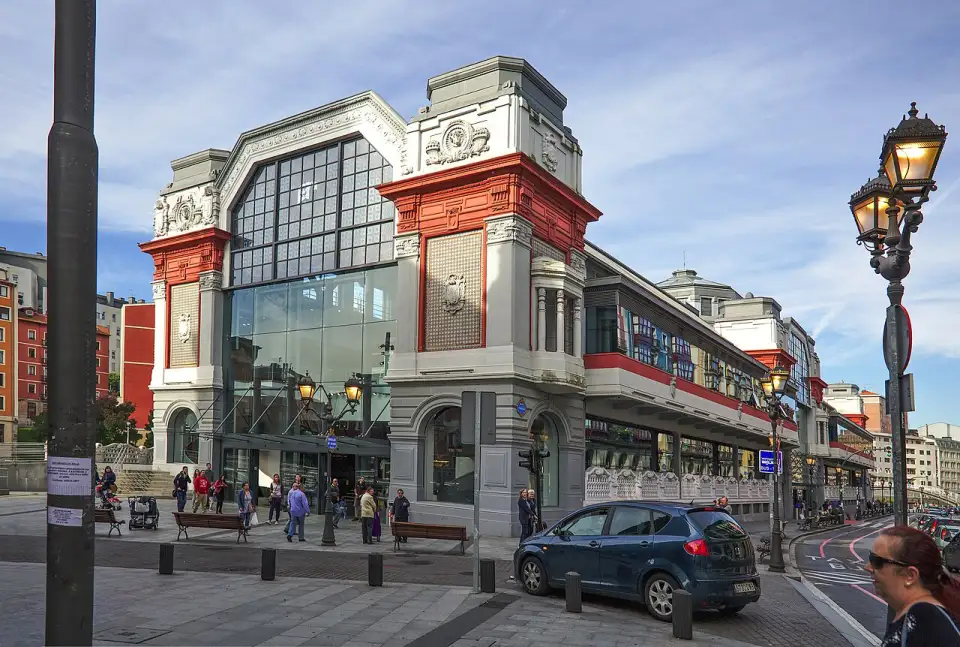
-
3
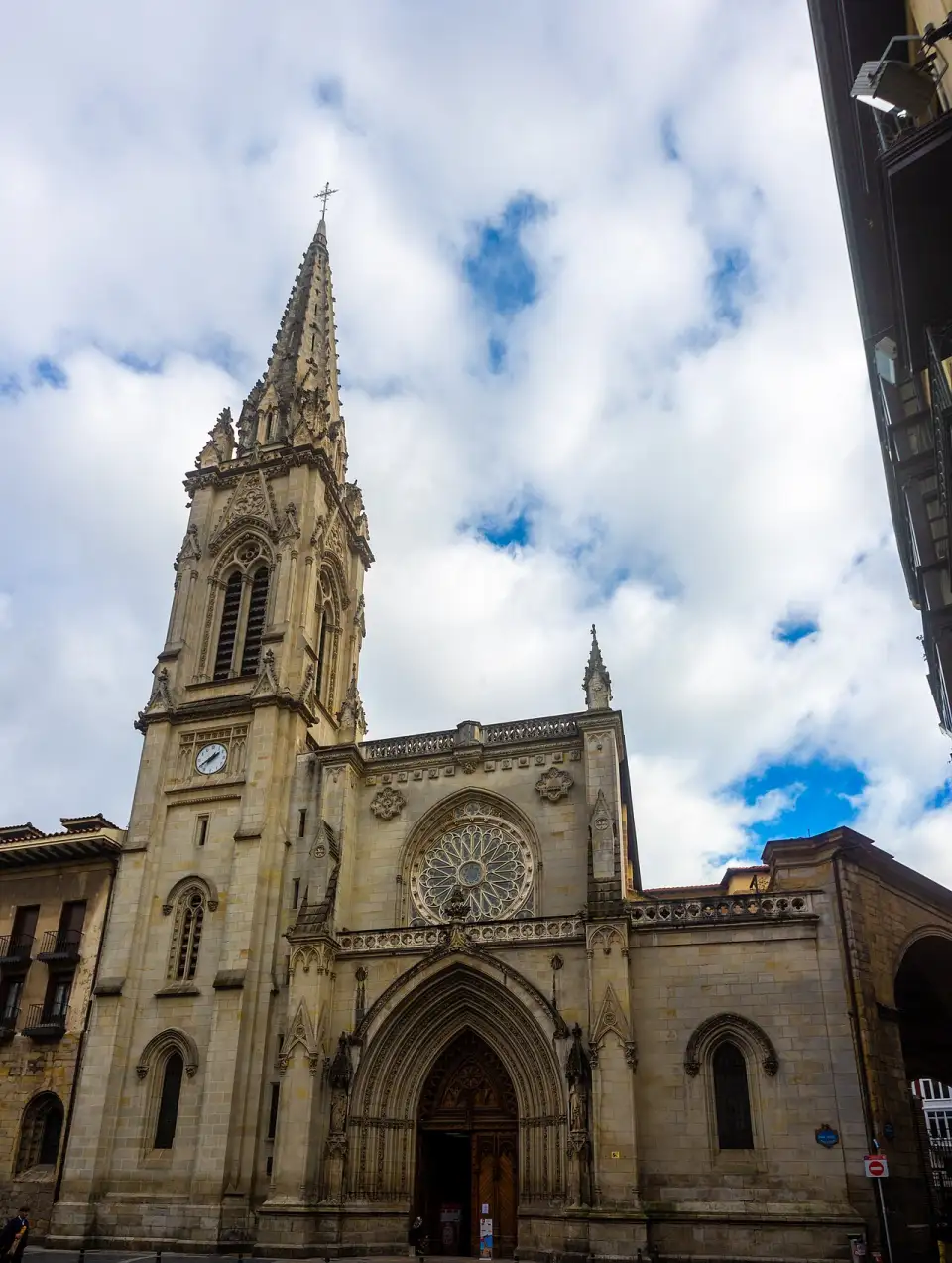
-
4
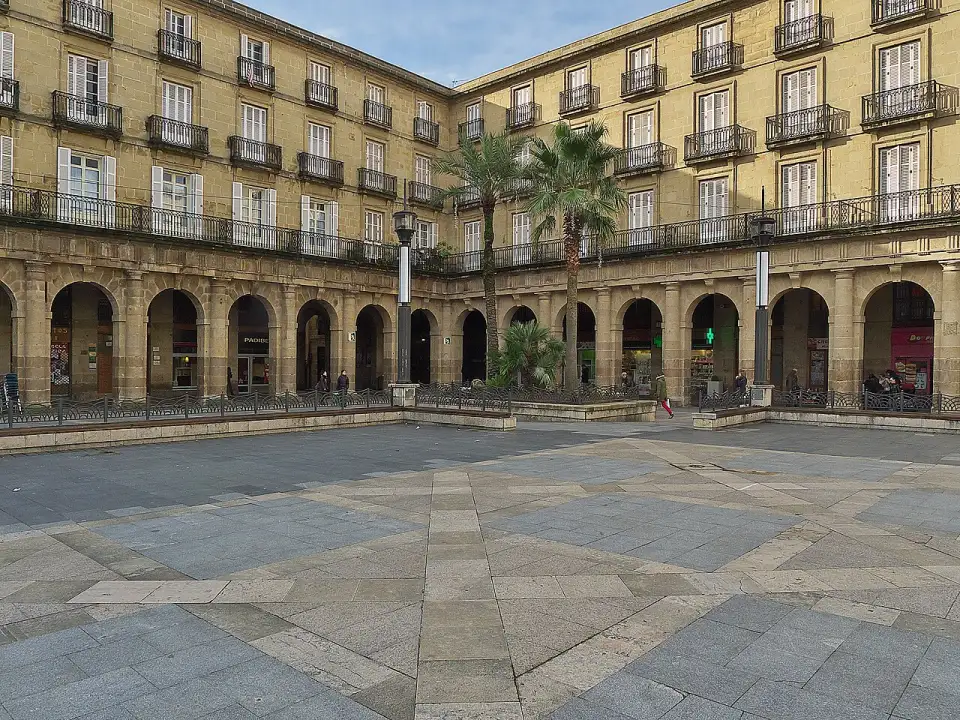
-
5
-
6


Loading the map…
Guide mode
Walk it with GPS.
Open guide mode on your phone: you’ll see your position and the distance to each stop, and we’ll let you know when you arrive. Then read or listen.
Start with GPSTurn on your location
Walk to the spot
Check the photo and listen
What you’ll discover
From town charter to iron port
The birth of a town
The 1300 charter, the only bridge for centuries and the seven streets that were once all of Bilbao.
Trade, war and water
Wool and iron, the 19th-century Carlist sieges and the great flood of August 1983.
A city that reinvented itself
From the Enlightenment square to the City Hall built in the industrial boom, still the seat of local government.
Keep exploring
More routes in Bilbao


Itineraries
How many days do you have in Bilbao?
We’ve planned it day by day for you: which routes to walk and in what order, what else to see and where to eat.
Bilbao in 1 day
All three routes in one full day: the highlights, the history and the legends at dusk.
See the itinerary 2Bilbao in 2 days
A gentler pace: the three routes over two days, plus extra sights and where to eat.
See the itinerary 3Bilbao in 3 days
The city in depth: one route a day, extra museums and neighbourhoods, and a day for good food.
See the itinerary