Cairo · Mixed
From the Paris of the Nile to the Great Bazaar
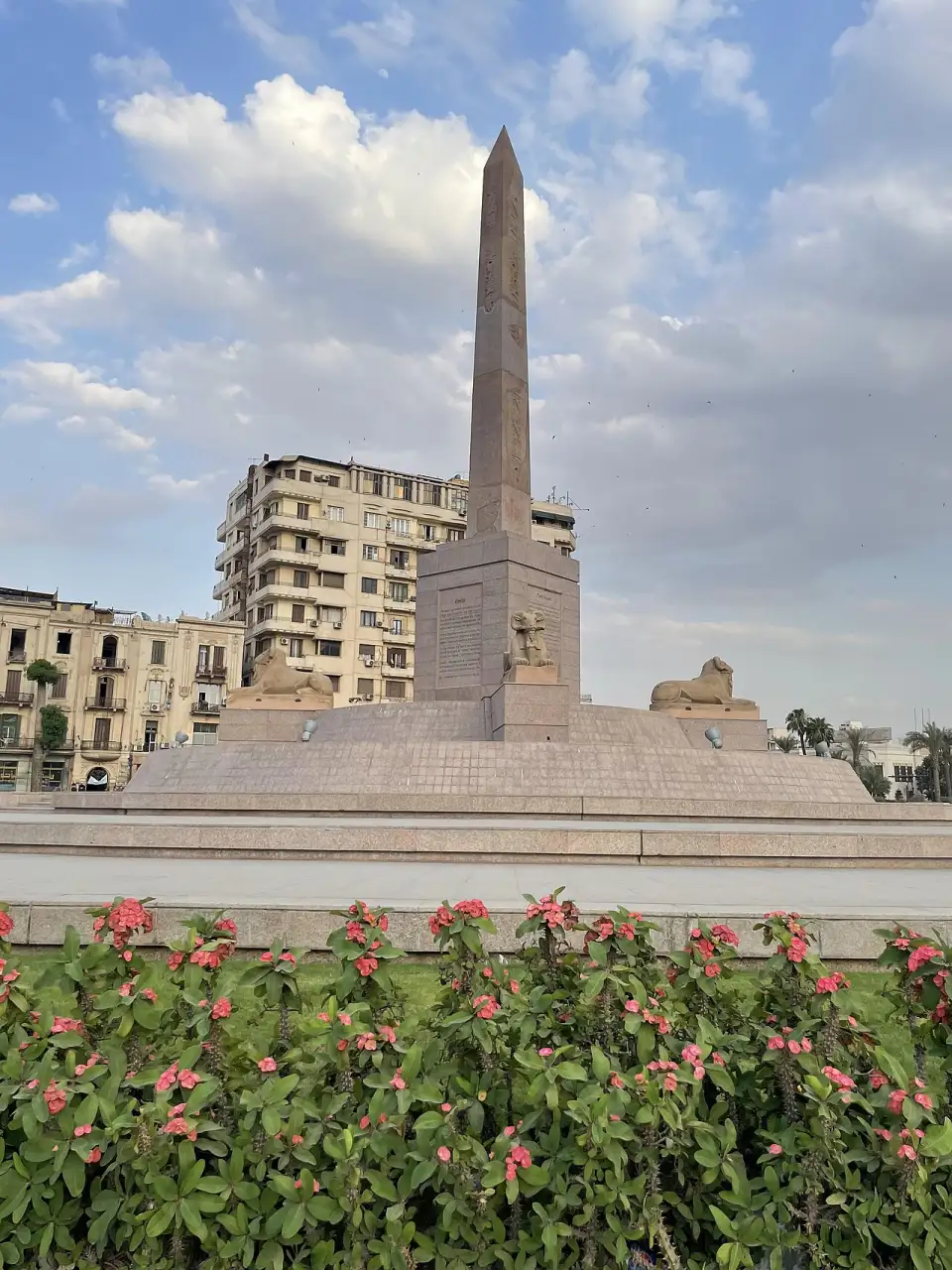
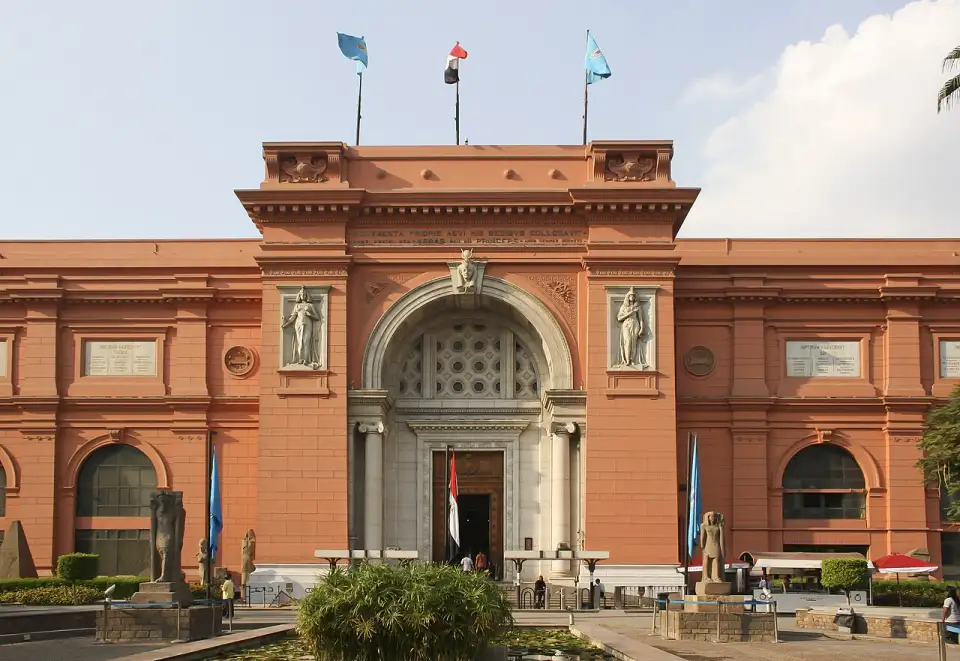
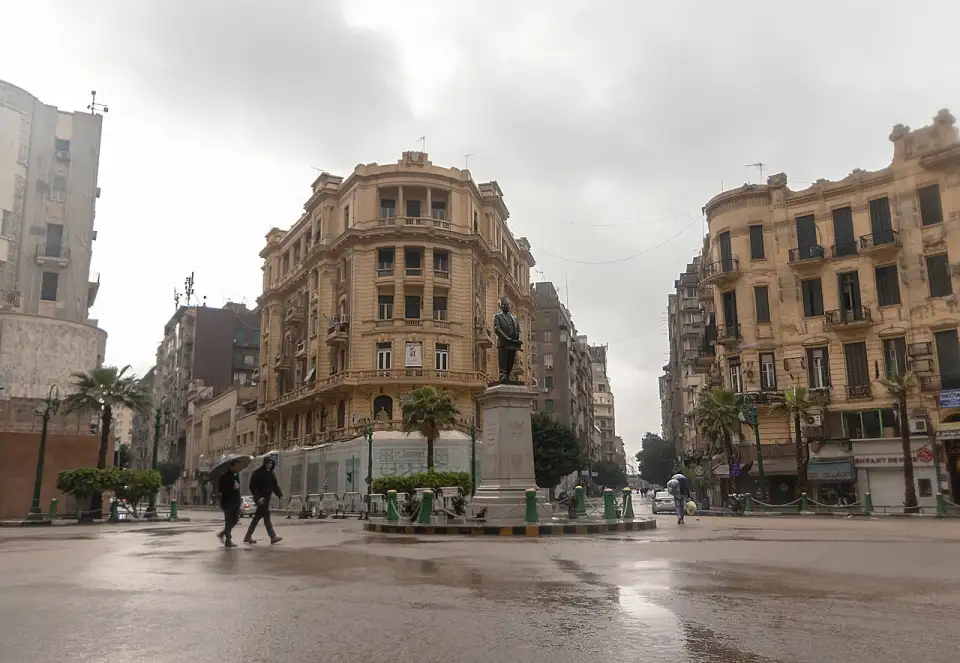
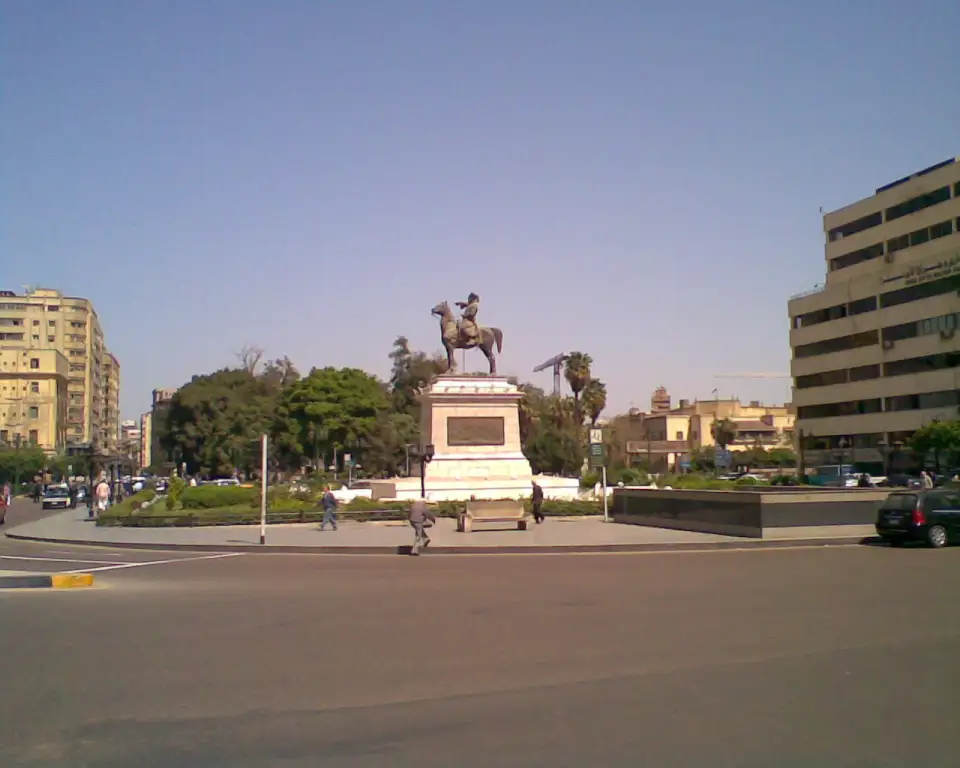
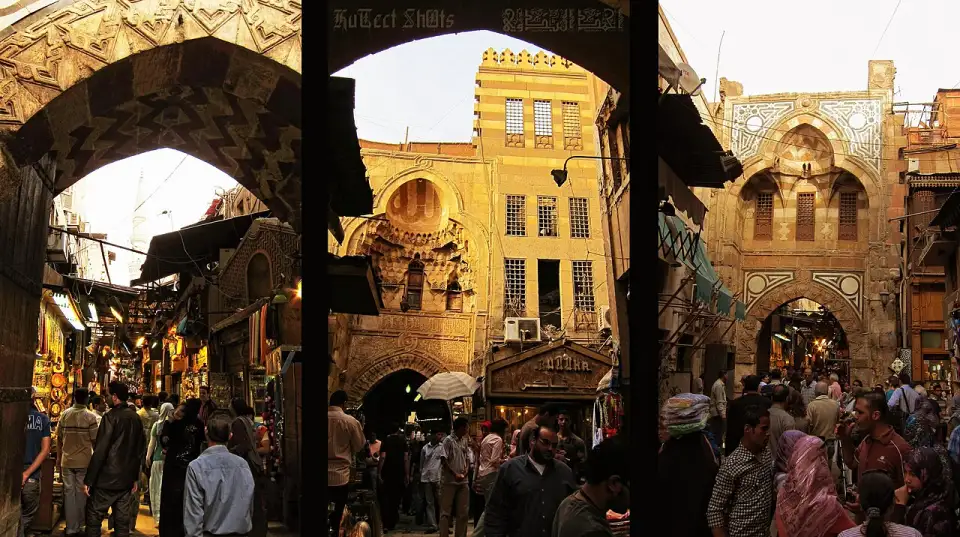
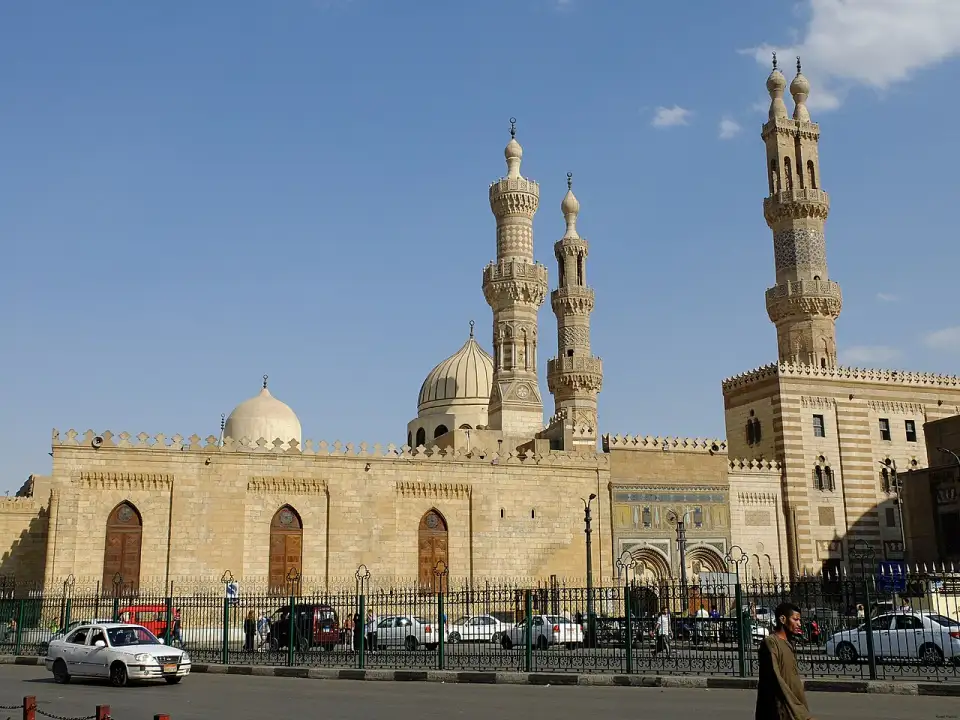
This mixed route links the city's two faces. It starts in the Cairo of boulevards and roundabouts that Khedive Ismail wanted to look like Paris, follows al-Muski Street between market stalls and ends at the most famous bazaar and mosque of medieval Cairo. It is the longest route, so take your time.
- 6 stops
- 4 km
- 2 h 30 min
- Free

The route
Stop by stop
-
1
-
2
-
3
-
4
-
5
-
6


Loading the map…
Guide mode
Walk it with GPS.
Open guide mode on your phone: you’ll see your position and the distance to each stop, and we’ll let you know when you arrive. Then read or listen.
Start with GPSTurn on your location
Walk to the spot
Check the photo and listen
What you’ll discover
From the Paris of the Nile to the Great Bazaar
Two cities in one
From the 19th-century downtown to the medieval maze in a single walk.
Must-see sights
Tahrir Square, the Egyptian Museum, Khan el-Khalili and al-Azhar.
Opera, cafés and revolutions
The premiere of ‘Aida’, the Groppi tea room and the eighteen days of 2011.
Keep exploring

