- Home
- Denmark
- Copenhagen
- History
Copenhagen · History
From Absalon to Christian IV: the city that rose from its ashes
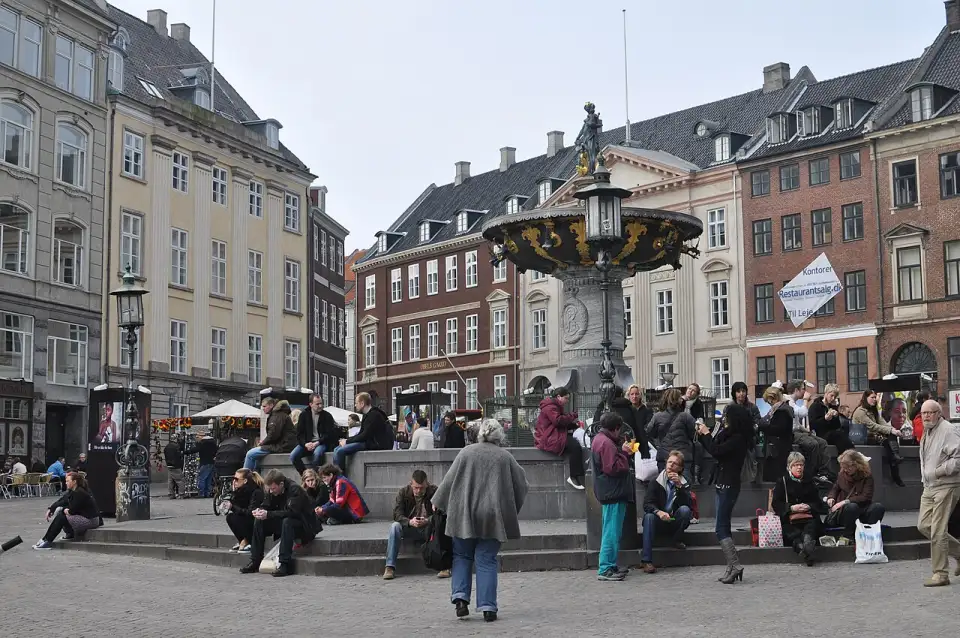
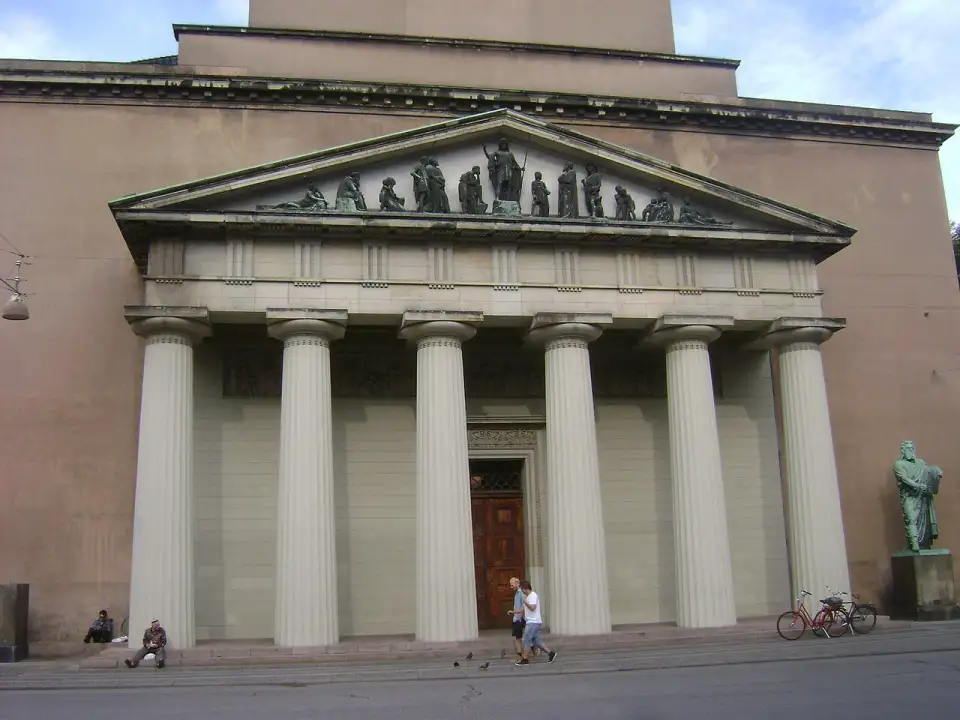
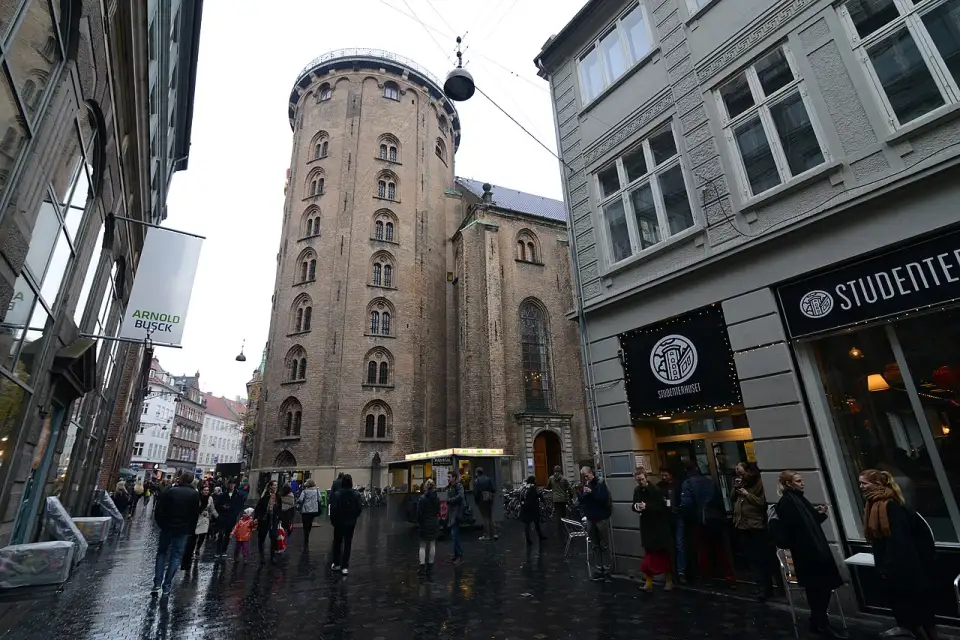
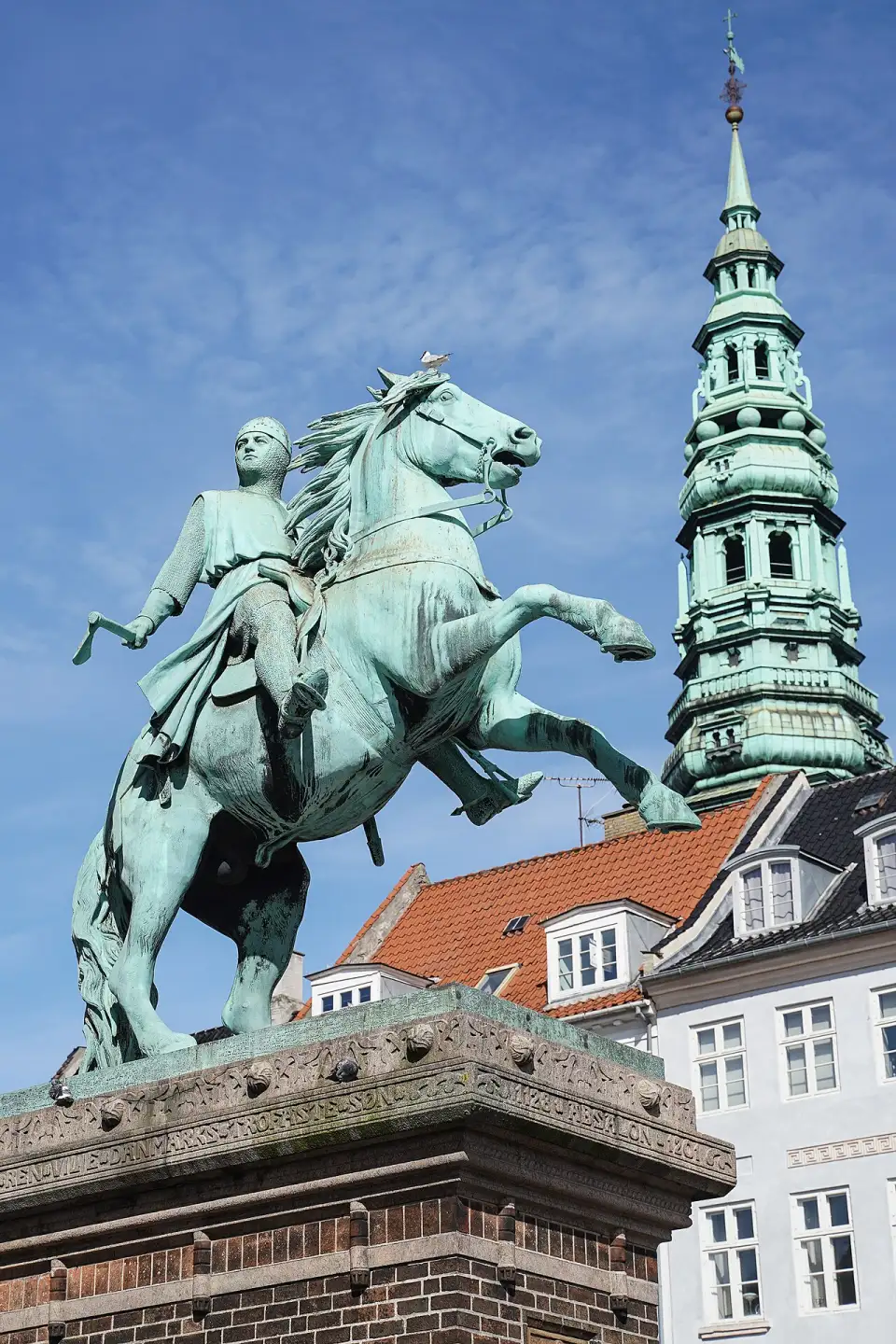
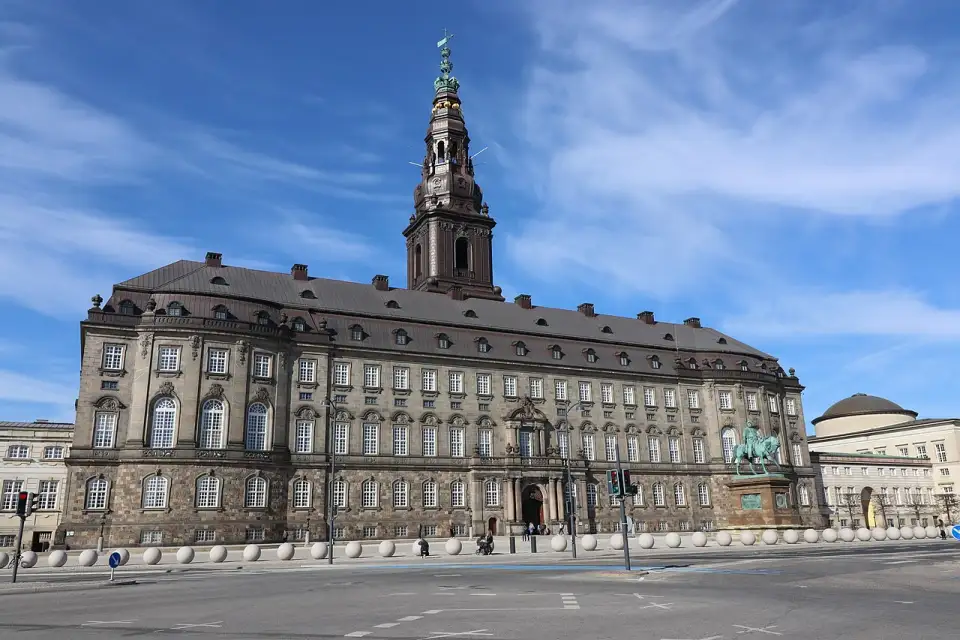
Copenhagen has burned, been bombarded and rebuilt itself again and again. This walk follows that thread from City Hall Square to Slotsholmen, the islet where Bishop Absalon built his castle in 1167 and where the Parliament, the government and the Supreme Court meet today. Along the way: the medieval square, the cathedral and Christian IV’s most original tower.
- 6 stops
- 2 km
- 1 h 55 min
- Free

The route
Stop by stop
-
1
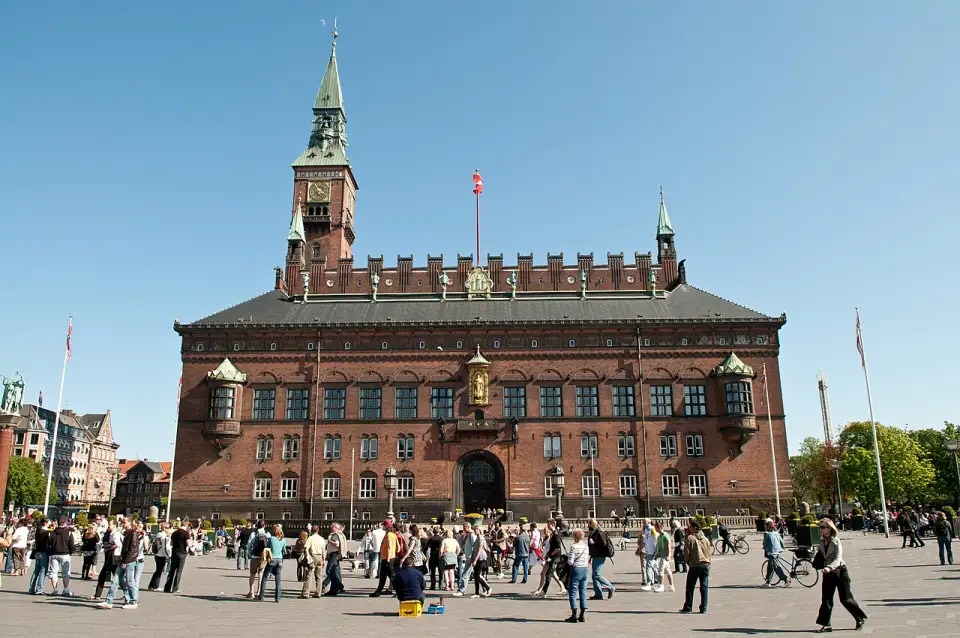
-
2
-
3
-
4
-
5
-
6


Loading the map…
Guide mode
Walk it with GPS.
Open guide mode on your phone: you’ll see your position and the distance to each stop, and we’ll let you know when you arrive. Then read or listen.
Start with GPSTurn on your location
Walk to the spot
Check the photo and listen
What you’ll discover
From Absalon to Christian IV: the city that rose from its ashes
Eight centuries in two kilometres
From the castle of 1167 to the Constitution of 1849, on a short, flat walk through the historic centre.
Christian IV, the builder king
Fountains, towers and inscriptions from the monarch who transformed the city in the 17th century.
A city reborn
Fires in 1728 and 1795, the bombardment of 1807: you will learn to read the scars on the façades.
Keep exploring
More routes in Copenhagen


Itineraries
How many days do you have in Copenhagen?
We’ve planned it day by day for you: which routes to walk and in what order, what else to see and where to eat.
Copenhagen in 1 day
All three routes in one full day: the highlights, the history and the legends at dusk.
See the itinerary 2Copenhagen in 2 days
A gentler pace: the three routes over two days, plus extra sights and where to eat.
See the itinerary 3Copenhagen in 3 days
The city in depth: one route a day, extra museums and neighbourhoods, and a day for good food.
See the itinerary