Delhi · History
Shahjahanabad: the city Shah Jahan drew with a ruler and marble
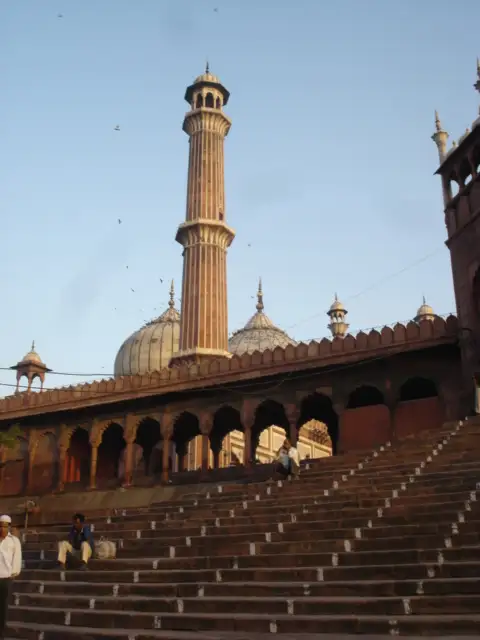
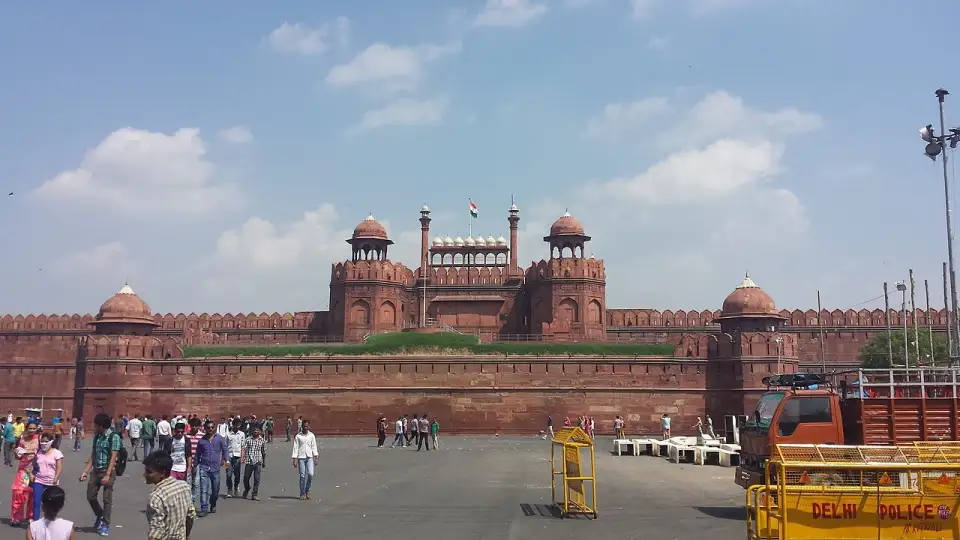
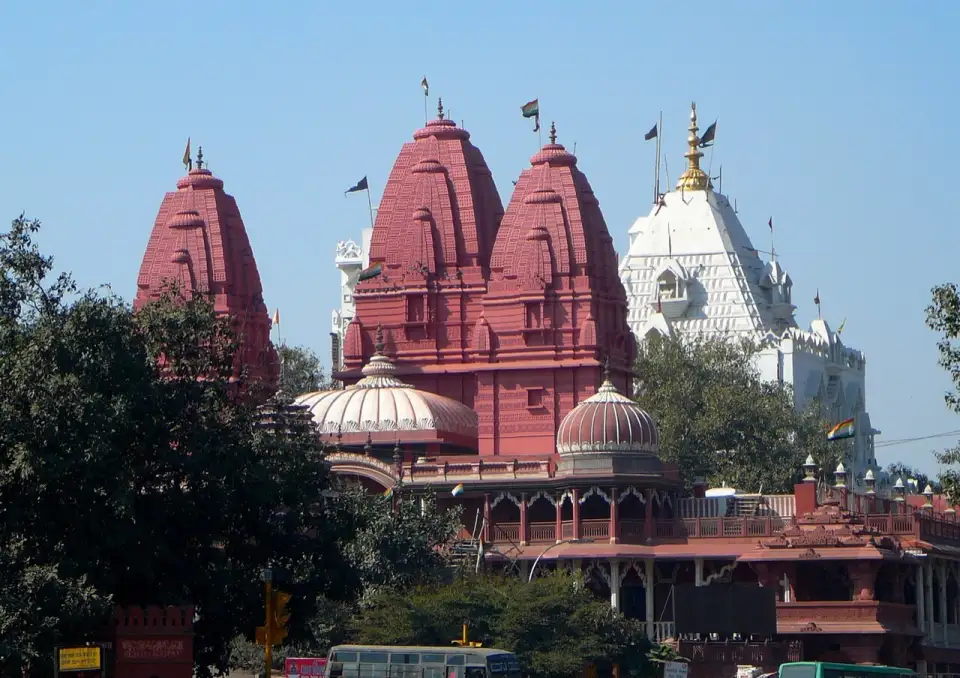
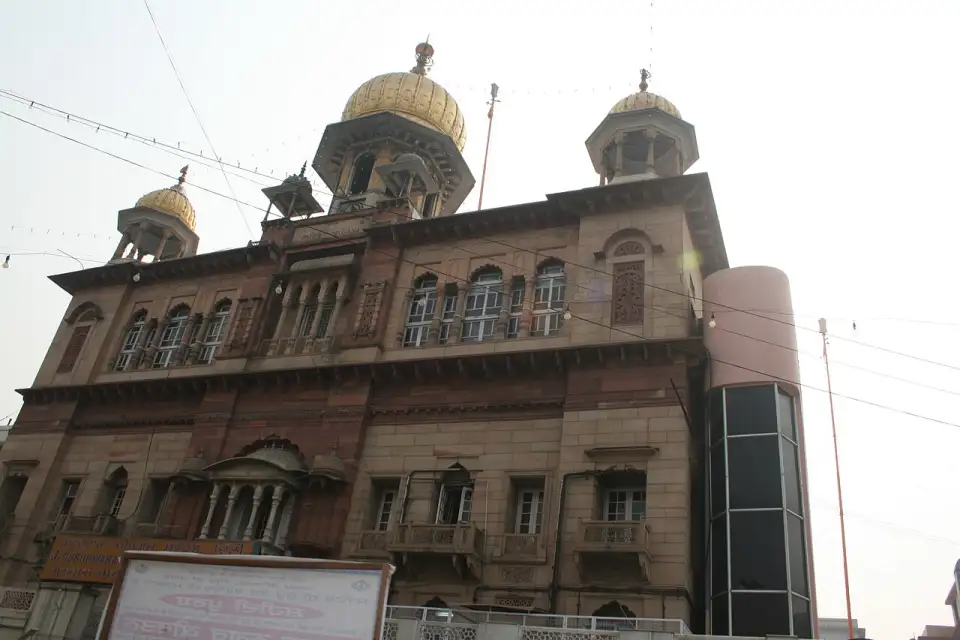
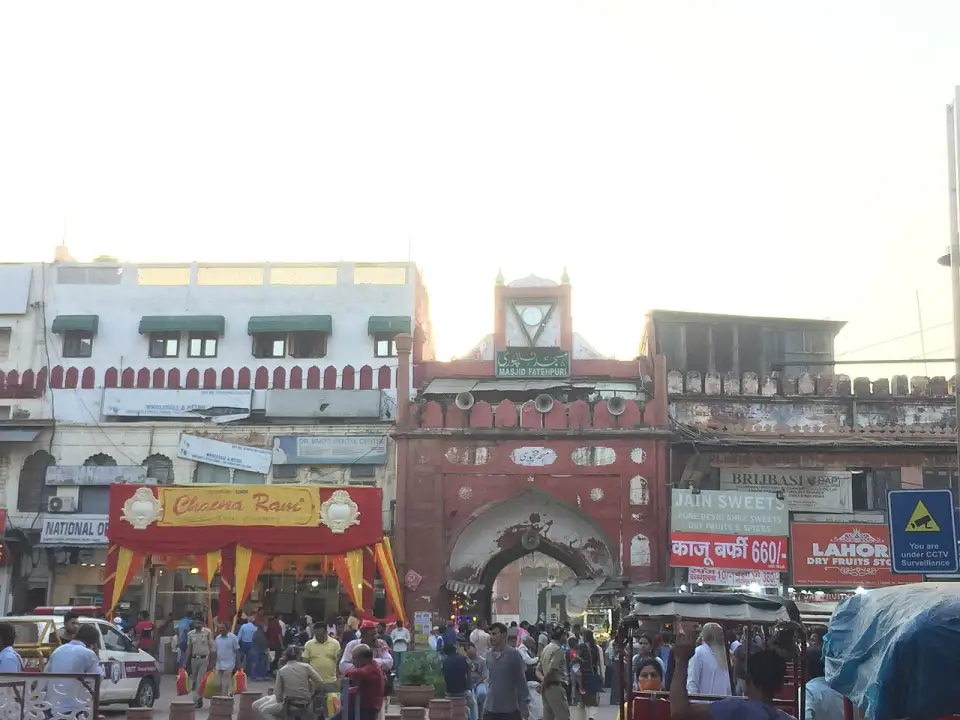
In 1639 the Mughal emperor Shah Jahan, the man behind the Taj Mahal, decided to move his capital from Agra to Delhi and build a brand-new city beside the Yamuna: Shahjahanabad, today's Old Delhi. This route follows its backbone, from the Great Mosque and the gate of the Red Fort to the mosque that closes Chandni Chowk to the west. Along the way you'll meet a Jain temple, the palace of a dancing girl who became a princess and the spot where a Sikh Guru was executed. Three and a half centuries of history in under three kilometres.
- 6 stops
- 3 km
- 2 h
- Free

The route
Stop by stop
-
1
-
2
-
3
-
4

-
5
-
6


Loading the map…
Guide mode
Walk it with GPS.
Open guide mode on your phone: you’ll see your position and the distance to each stop, and we’ll let you know when you arrive. Then read or listen.
Start with GPSTurn on your location
Walk to the spot
Check the photo and listen
What you’ll discover
Shahjahanabad: the city Shah Jahan drew with a ruler and marble
The capital of the Mughals
What the city Shah Jahan raised in barely a decade was like, with its fort, its mosque and its grand avenue.
Every faith on one street
Mosques, a Jain temple and a Sikh gurdwara have shared Chandni Chowk for centuries.
1857 around every corner
The uprising against the British left its mark on almost every stop: follow the traces with us.
Keep exploring

