- Home
- United Arab Emirates
- Dubai
- History
Dubai · History
Before oil: wind towers, pearls and the Creek of Bur Dubai
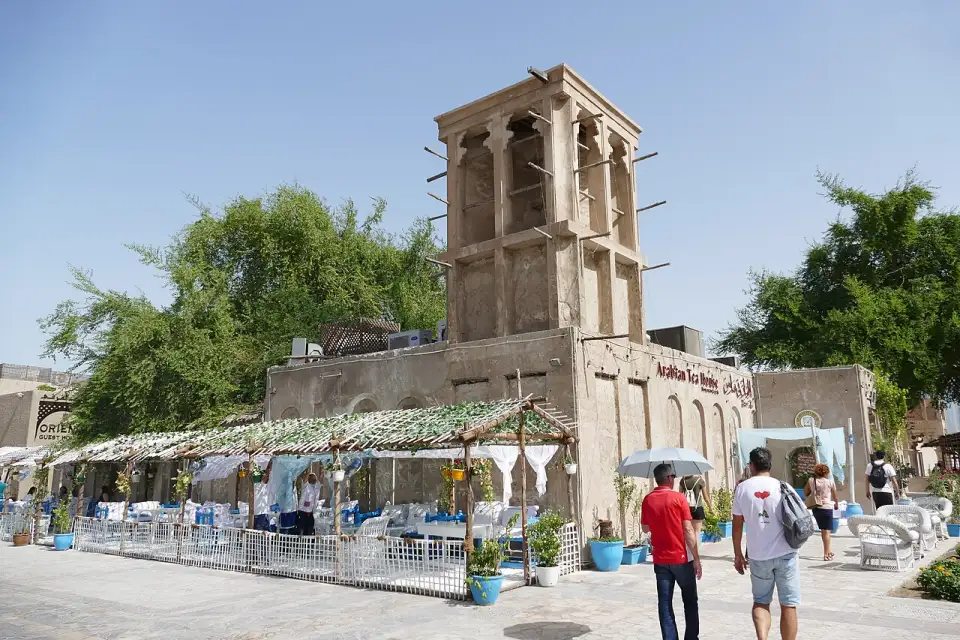
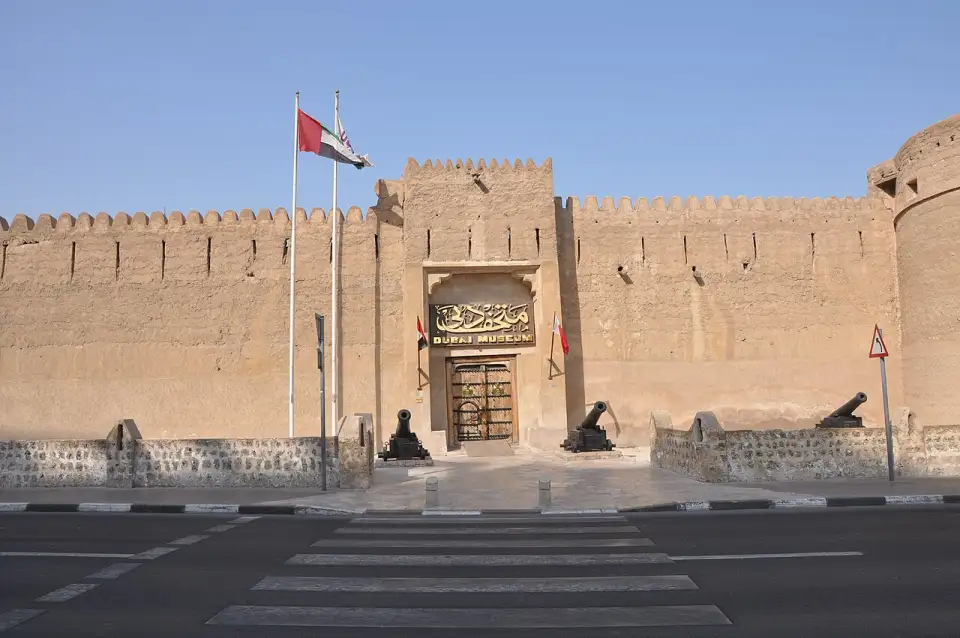
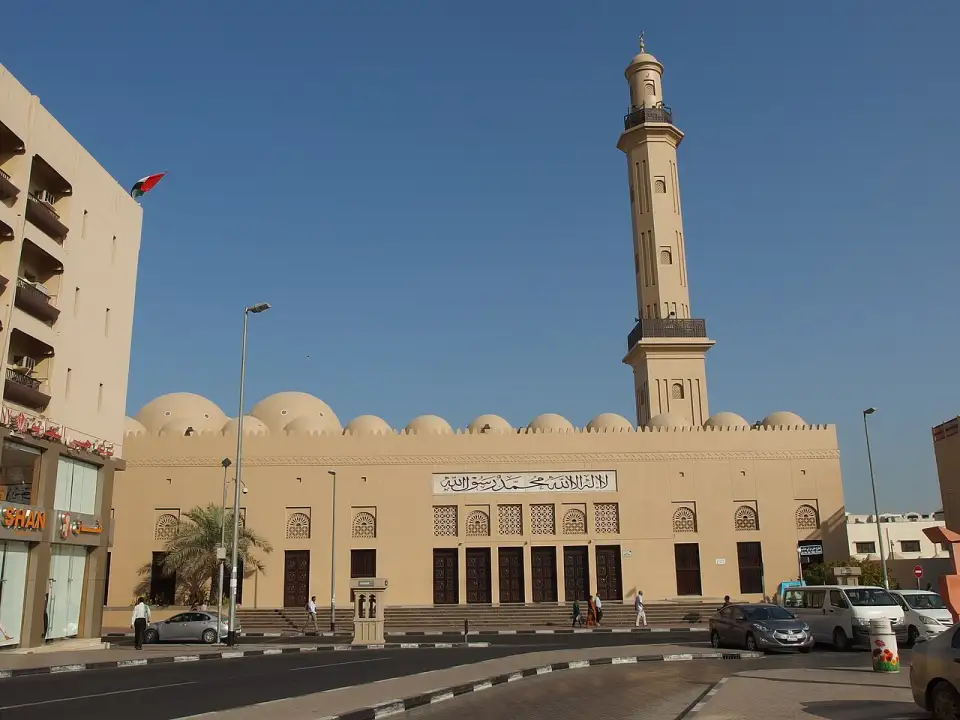
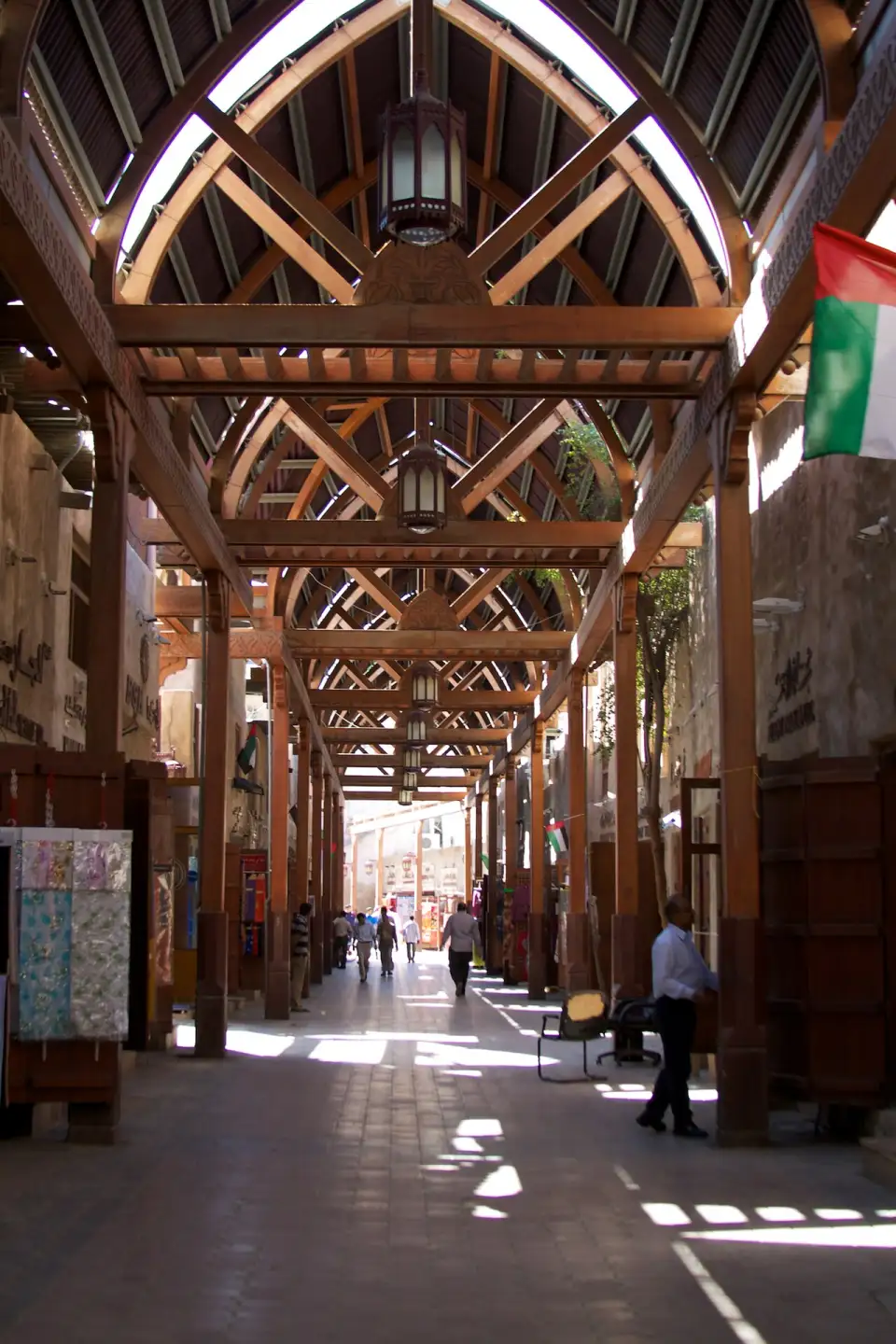
Long before the Burj Khalifa, Dubai was a port of pearl divers and traders on the Creek, the arm of the sea that splits the city in two. On this route you will walk the Bur Dubai bank: the wind-tower quarter, Al Fahidi Fort, the Grand Mosque, the old souk and the tip of Al Shindagha, where the family that still rules the emirate first settled. It is a short, flat walk, best done in the cooler hours of the day.
- 6 stops
- 1.9 km
- 1 h 40 min
- Free

The route
Stop by stop
-
1
-
2
-
3
-
4
-
5
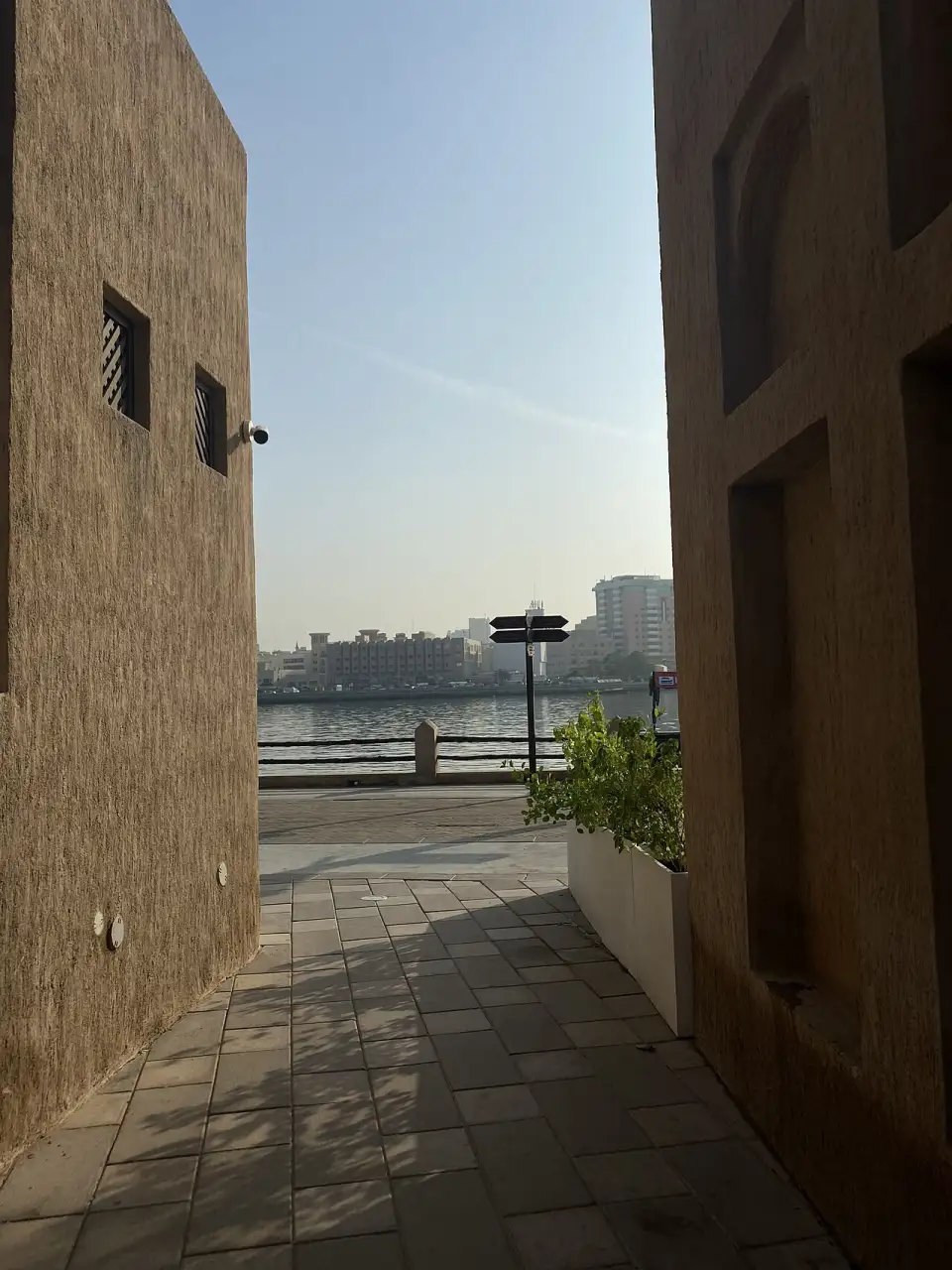
-
6
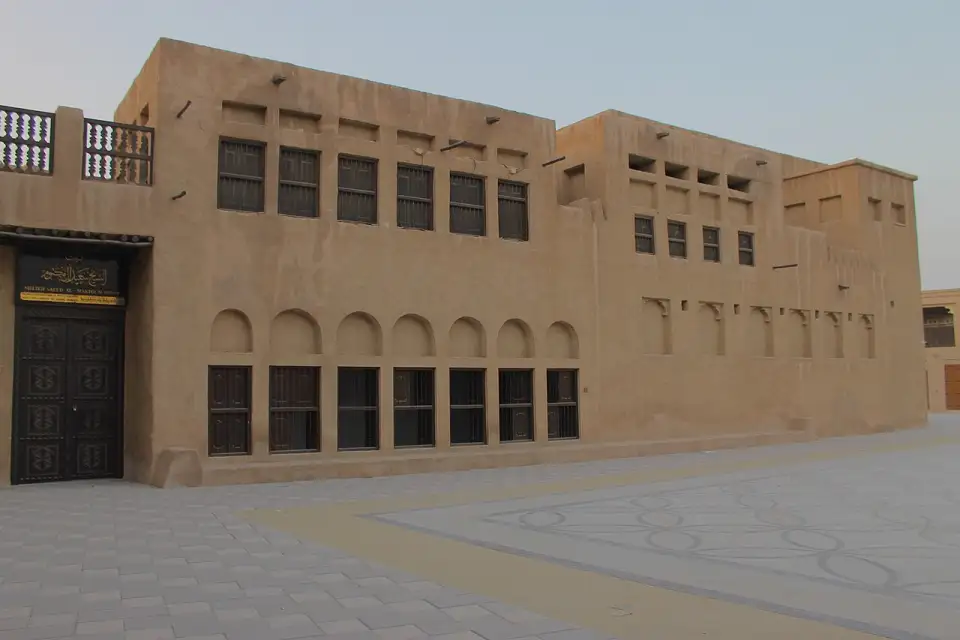


Loading the map…
Guide mode
Walk it with GPS.
Open guide mode on your phone: you’ll see your position and the distance to each stop, and we’ll let you know when you arrive. Then read or listen.
Start with GPSTurn on your location
Walk to the spot
Check the photo and listen
What you’ll discover
Before oil: wind towers, pearls and the Creek of Bur Dubai
A city of coral
Houses of coral stone, gypsum and teak, cooled by wind towers centuries before air conditioning.
From village to emirate
How a settlement of some 800 members of the Bani Yas tribe became a free port that drew merchants from Persia and India.
The Creek at the heart
The arm of the sea that gave life to the dhow trade, the abras and the souks that still line its banks.

