Munich · History
From the emperor’s castle to the ‘capital of the movement’
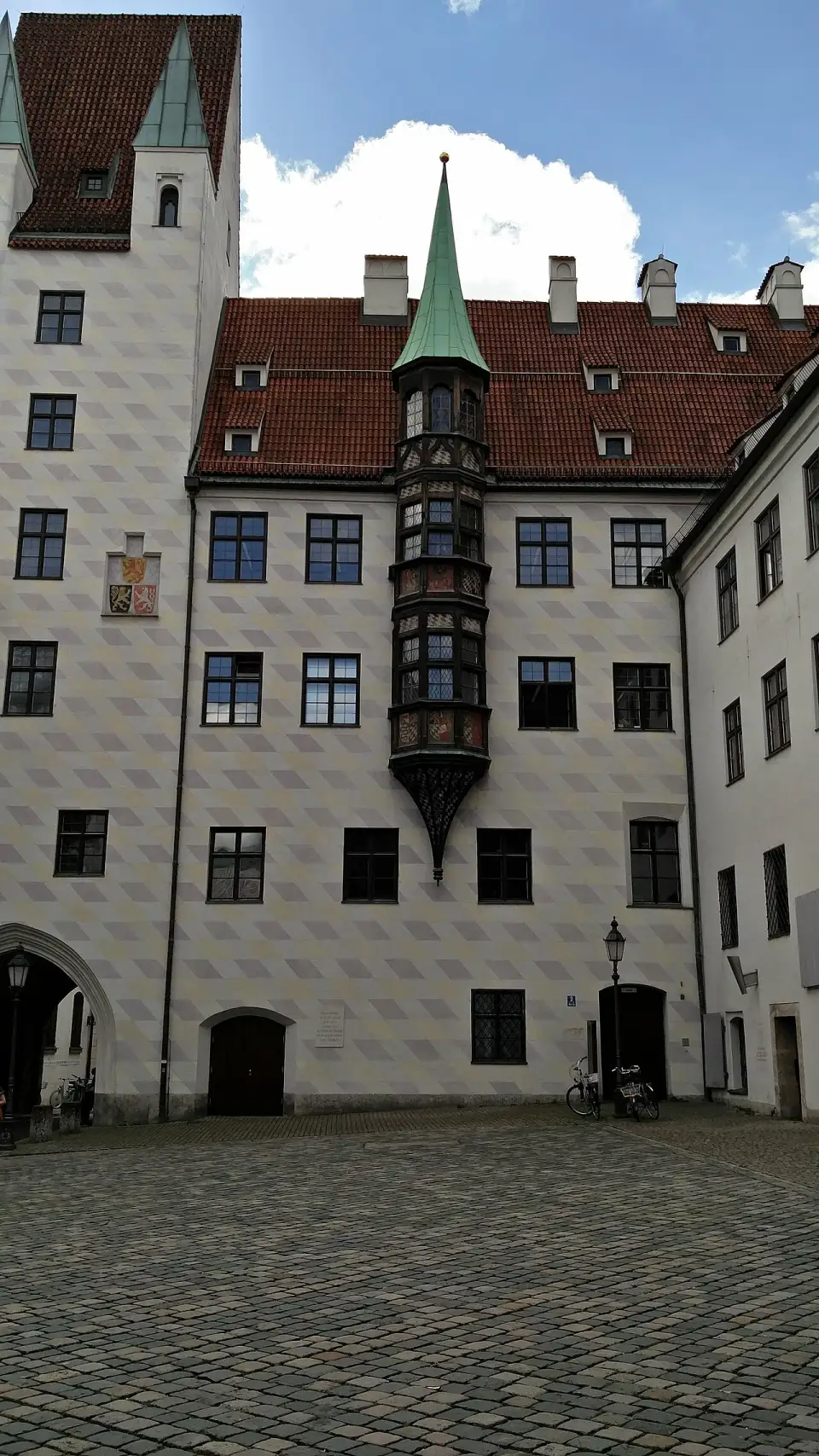
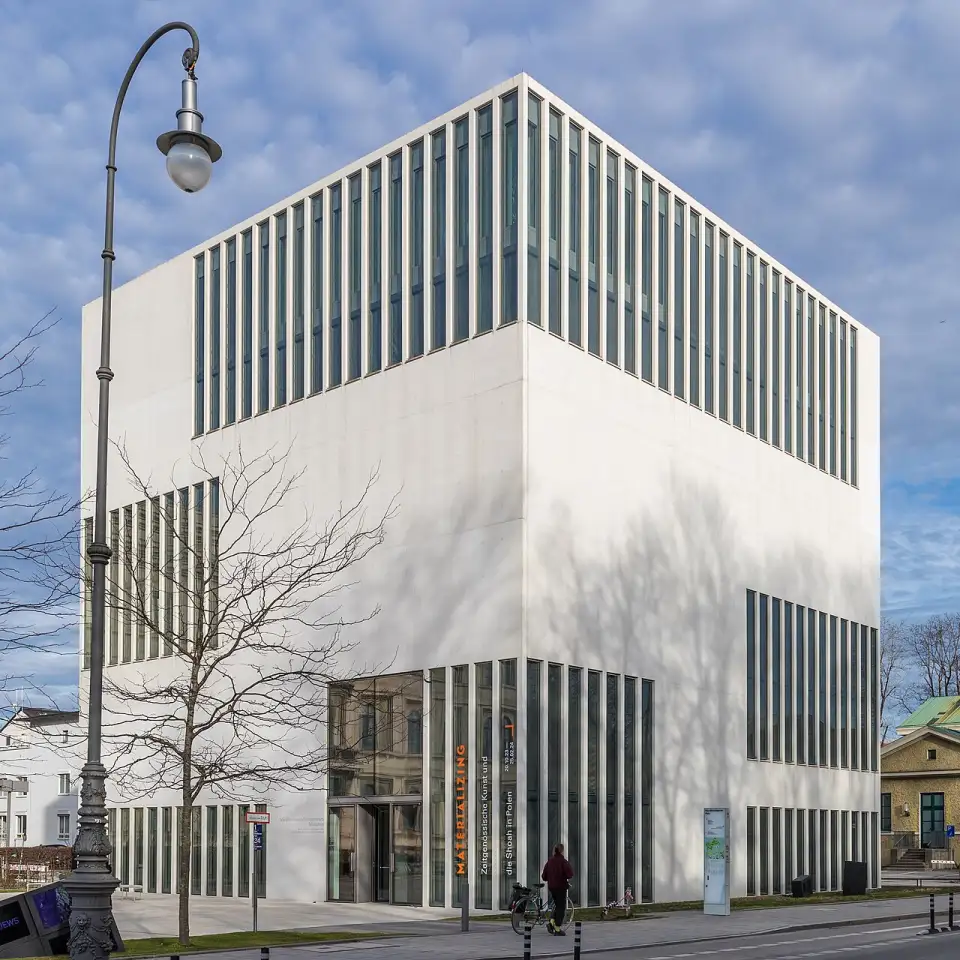
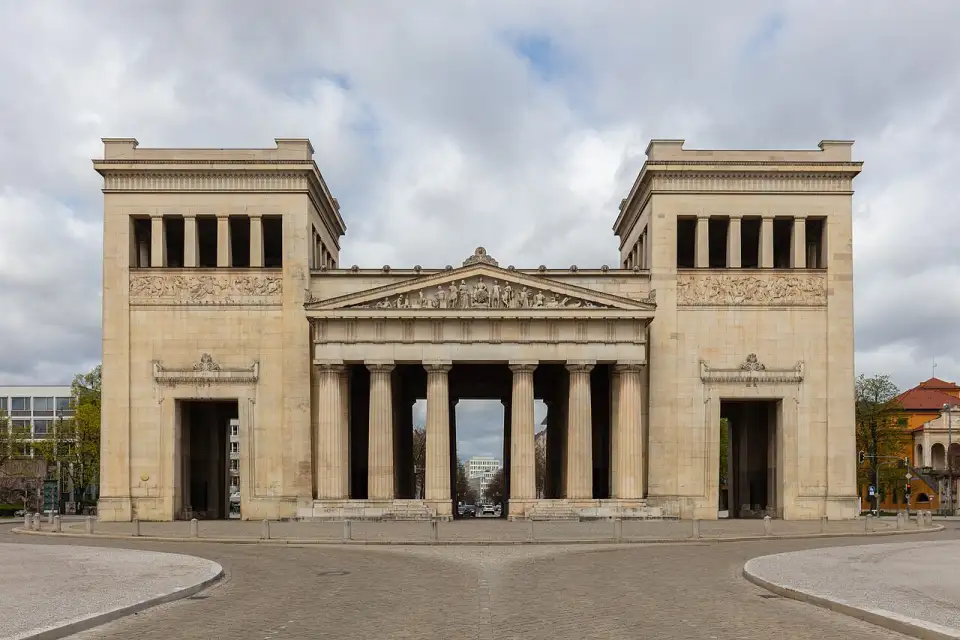
This route runs from the Alter Hof, home of Emperor Ludwig IV, to the Königsplatz of Ludwig I, by way of the settings of the 20th century’s most turbulent years. We tell the story of Nazism with verifiable facts and without sensationalism, in the places where it happened and where it is remembered today.
- 6 stops
- 2.1 km
- 2 h
- Free

The route
Stop by stop
-
1
-
2
-
3
-
4
-
5
-
6


Loading the map…
Guide mode
Walk it with GPS.
Open guide mode on your phone: you’ll see your position and the distance to each stop, and we’ll let you know when you arrive. Then read or listen.
Start with GPSTurn on your location
Walk to the spot
Check the photo and listen
What you’ll discover
From the emperor’s castle to the ‘capital of the movement’
Eight centuries in one walk
From a 12th-century fortress to a documentation centre opened in 2015, in little more than two kilometres.
Memory with rigour
The murder of Kurt Eisner, the 1923 putsch and the Brown House, told with dates and sources.
Small gestures
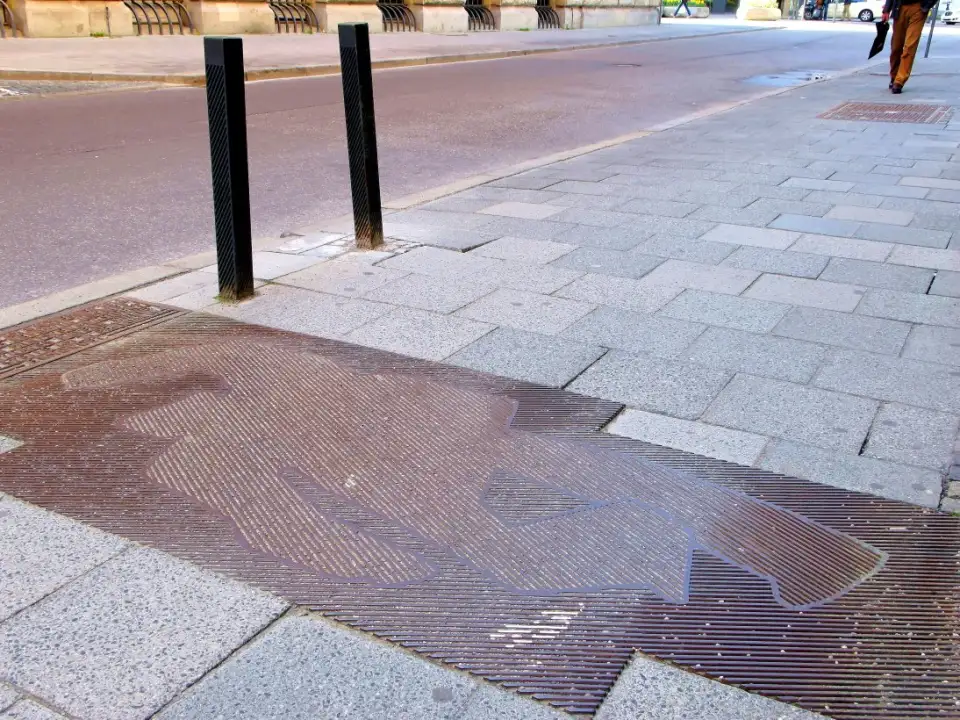
An alleyway that became a quiet way of avoiding the Nazi salute.
Keep exploring
More routes in Munich


Itineraries
How many days do you have in Munich?
We’ve planned it day by day for you: which routes to walk and in what order, what else to see and where to eat.
Munich in 1 day
All three routes in one full day: the highlights, the history and the legends at dusk.
See the itinerary 2Munich in 2 days
A gentler pace: the three routes over two days, plus extra sights and where to eat.
See the itinerary 3Munich in 3 days
The city in depth: one route a day, extra museums and neighbourhoods, and a day for good food.
See the itinerary