Stockholm · History
Crowns, blood and power: Swedish history in Gamla stan
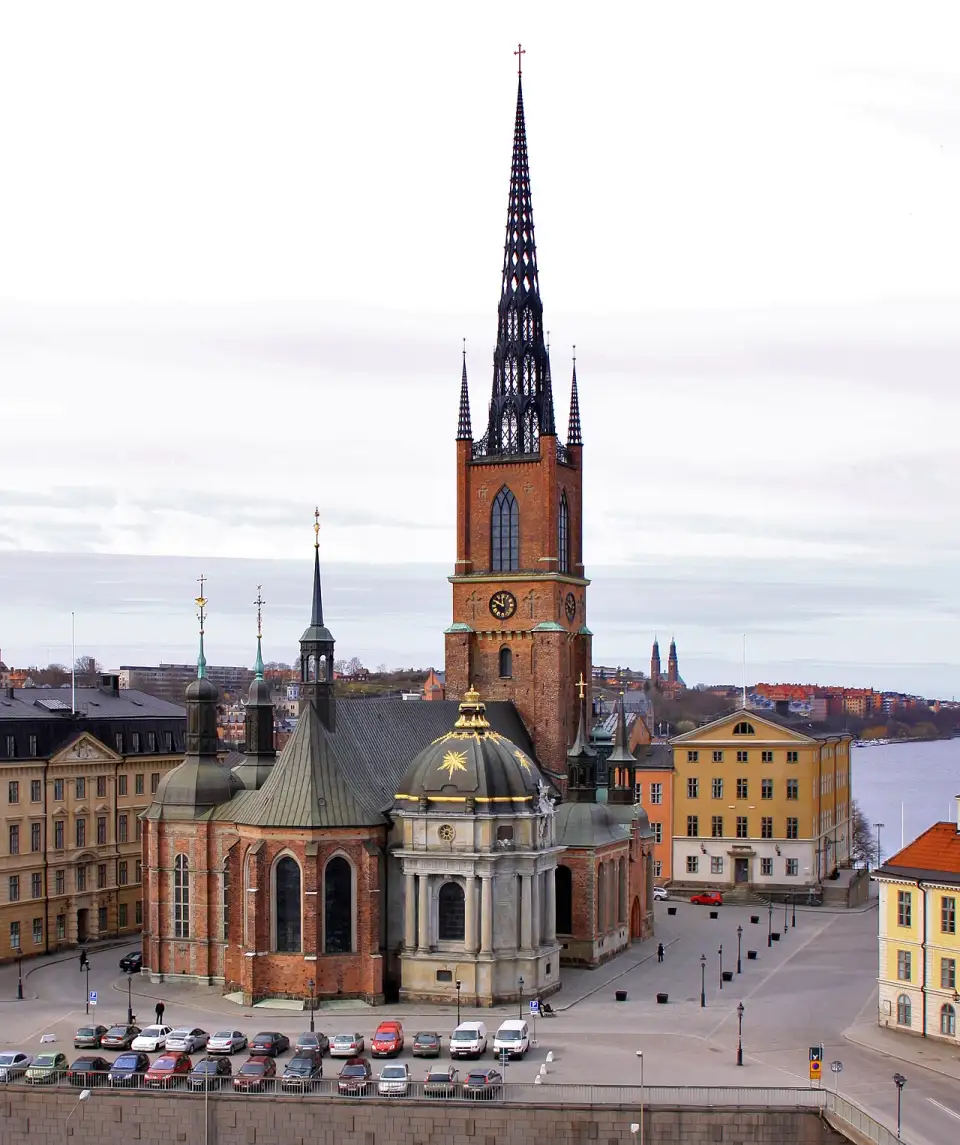
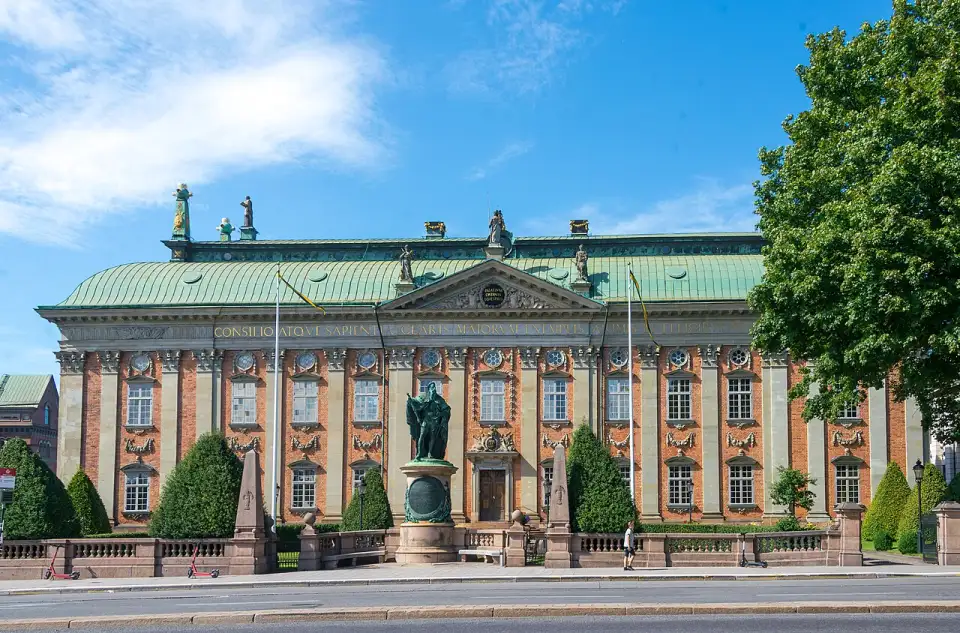
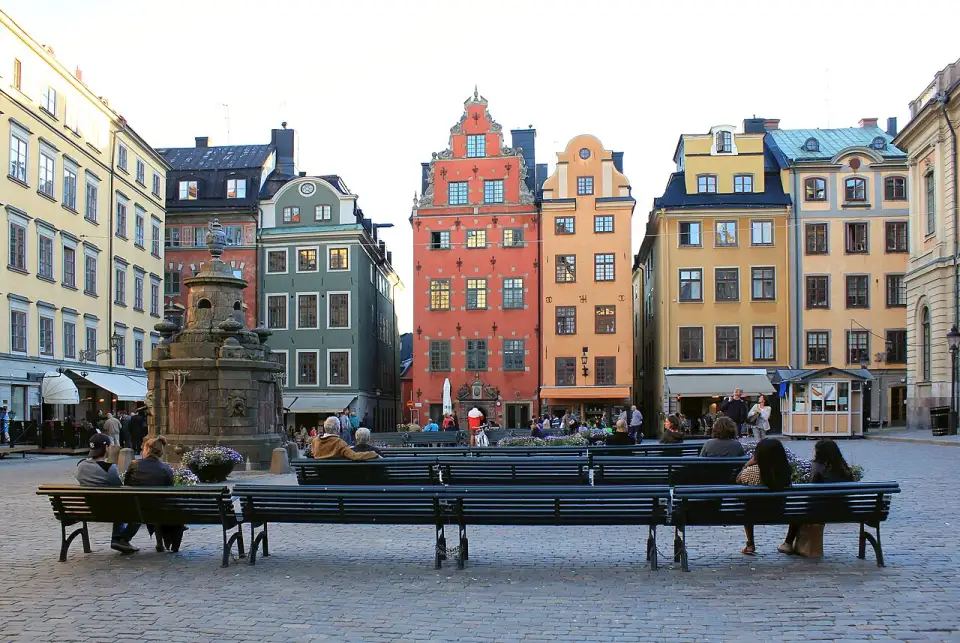
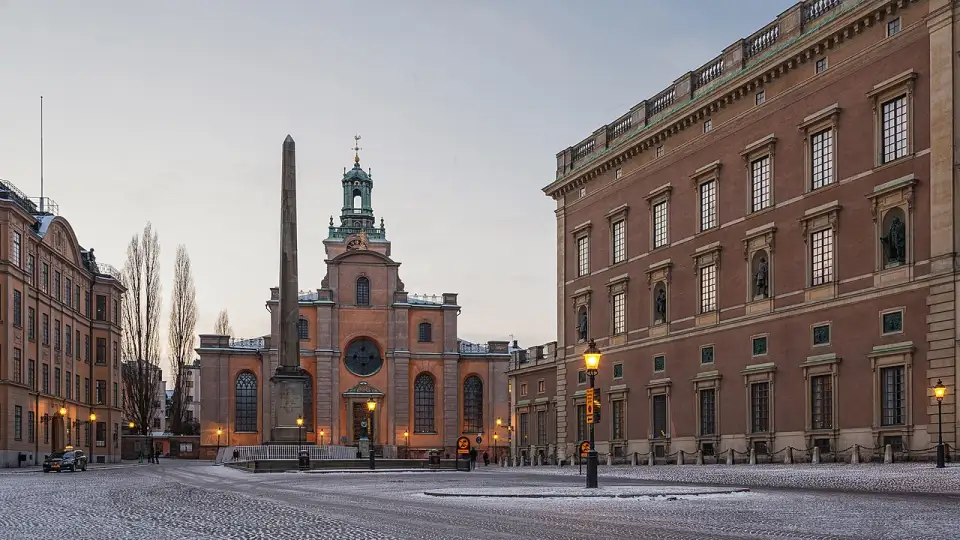
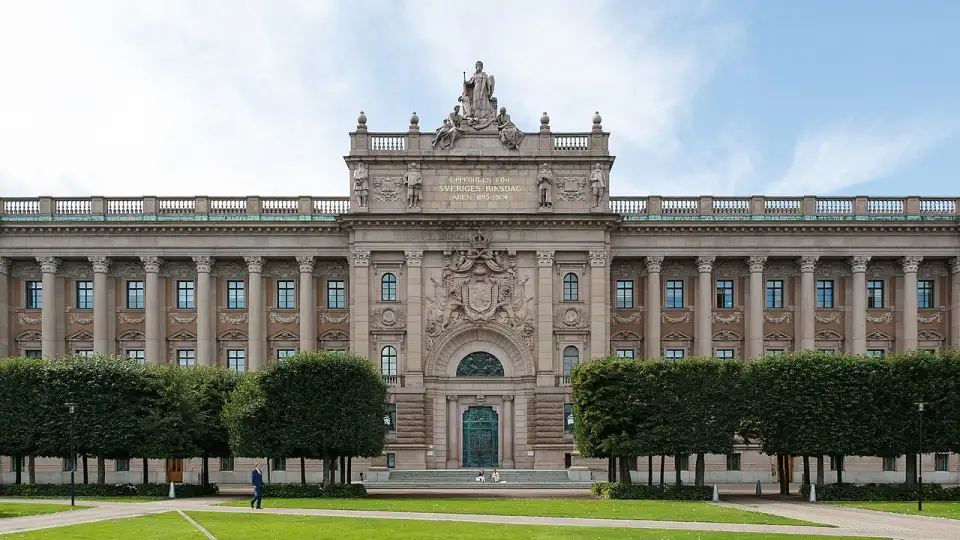
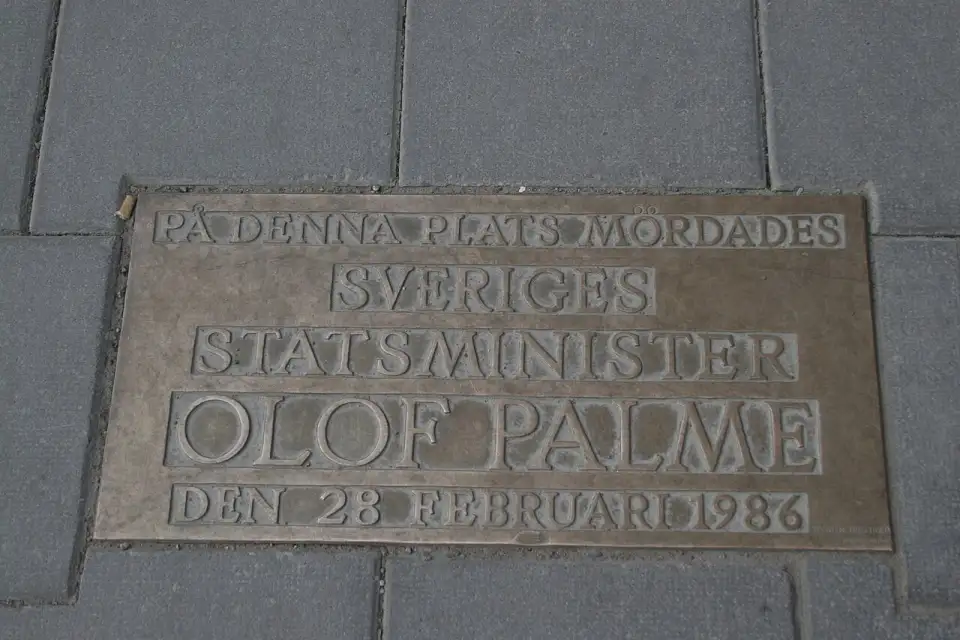
This route starts on the island of Riddarholmen, crosses Gamla stan and climbs into Norrmalm following the thread of Swedish power: the buried kings, the nobility, the 1520 massacre that made Gustav Vasa king, the castle that burned, the Parliament and the crime that shook the country in 1986.
- 6 stops
- 2.1 km
- 1 h 45 min
- Free

The route
Stop by stop
-
1
-
2
-
3
-
4
-
5
-
6


Loading the map…
Guide mode
Walk it with GPS.
Open guide mode on your phone: you’ll see your position and the distance to each stop, and we’ll let you know when you arrive. Then read or listen.
Start with GPSTurn on your location
Walk to the spot
Check the photo and listen
What you’ll discover
Crowns, blood and power: Swedish history in Gamla stan
The Stockholm Bloodbath
What happened on Stortorget in November 1520, told in the words of an eyewitness.
Kings and palaces
From the Three Crowns castle to the royal burial church of Riddarholmen and the House of Nobility.
Modern Sweden
The Parliament of 1905 and the Sveavägen plaque, a case still without a culprit.
Keep exploring
More routes in Stockholm


Itineraries
How many days do you have in Stockholm?
We’ve planned it day by day for you: which routes to walk and in what order, what else to see and where to eat.
Stockholm in 1 day
All three routes in one full day: the highlights, the history and the legends at dusk.
See the itinerary 2Stockholm in 2 days
A gentler pace: the three routes over two days, plus extra sights and where to eat.
See the itinerary 3Stockholm in 3 days
The city in depth: one route a day, extra museums and neighbourhoods, and a day for good food.
See the itinerary