Bucharest · History
From Vlad III to the Revolution: six centuries on Calea Victoriei
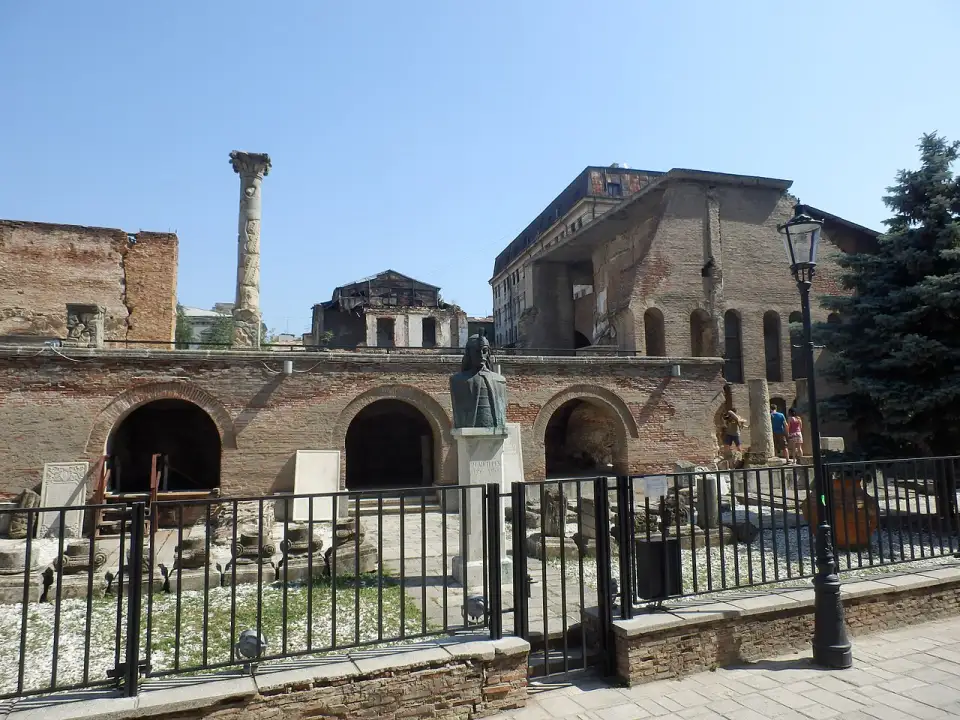
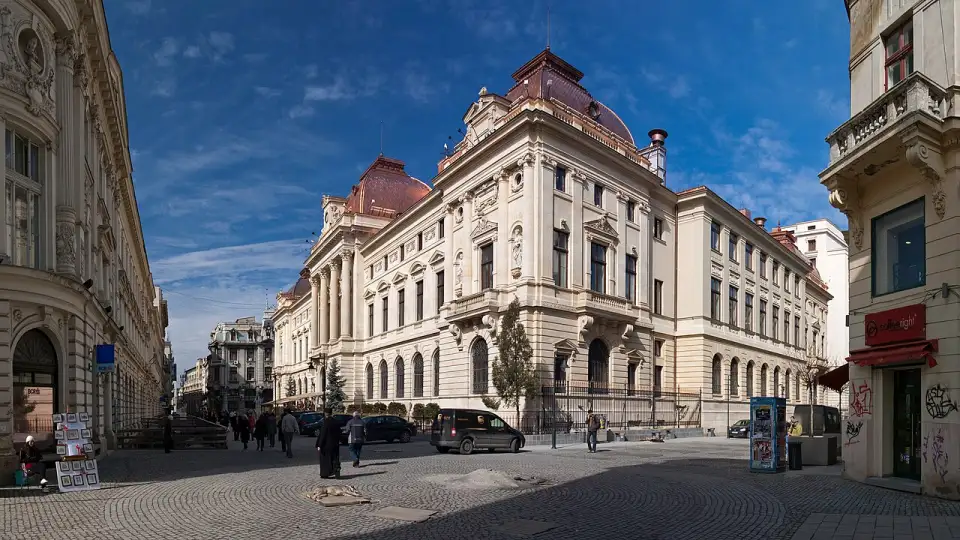
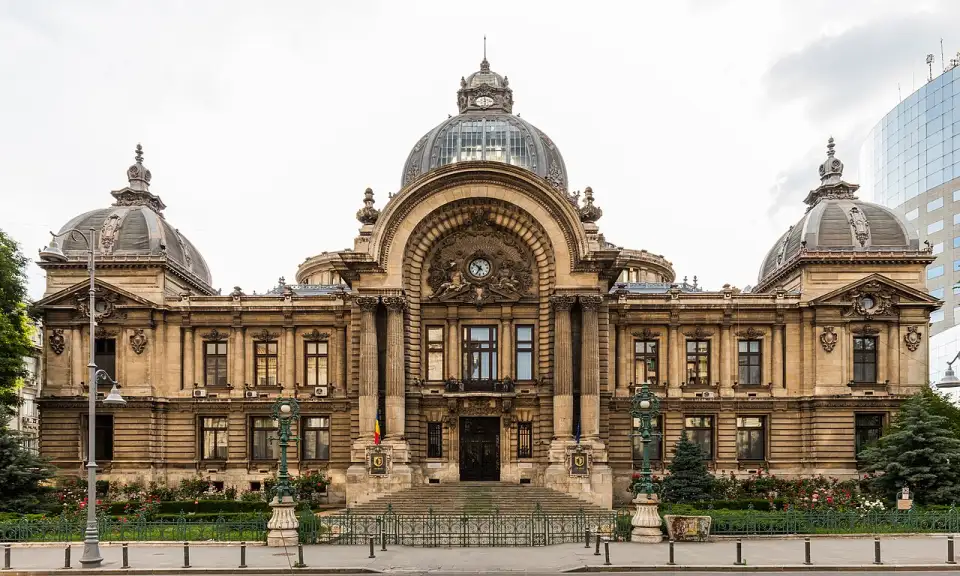
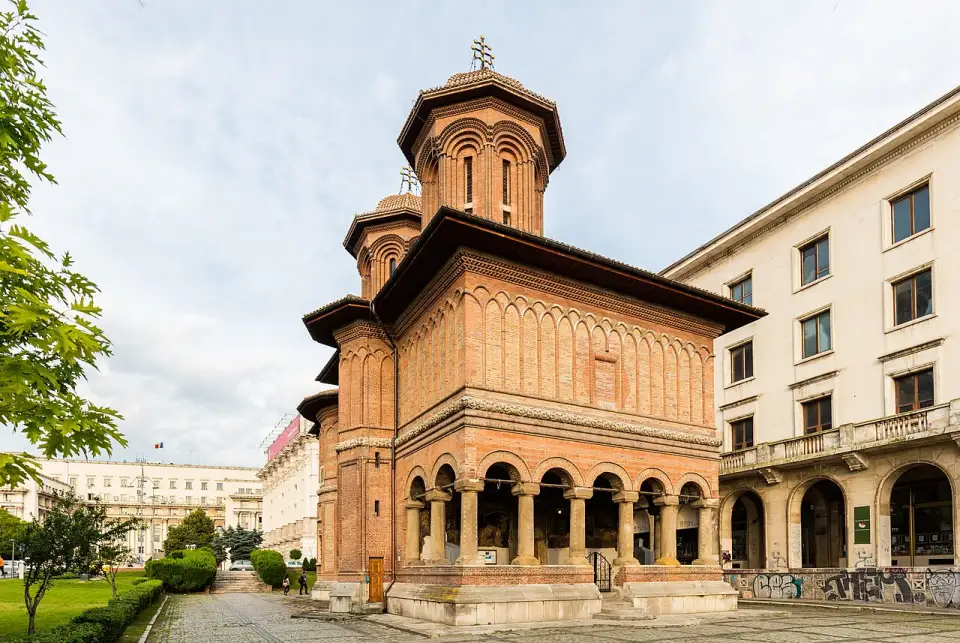
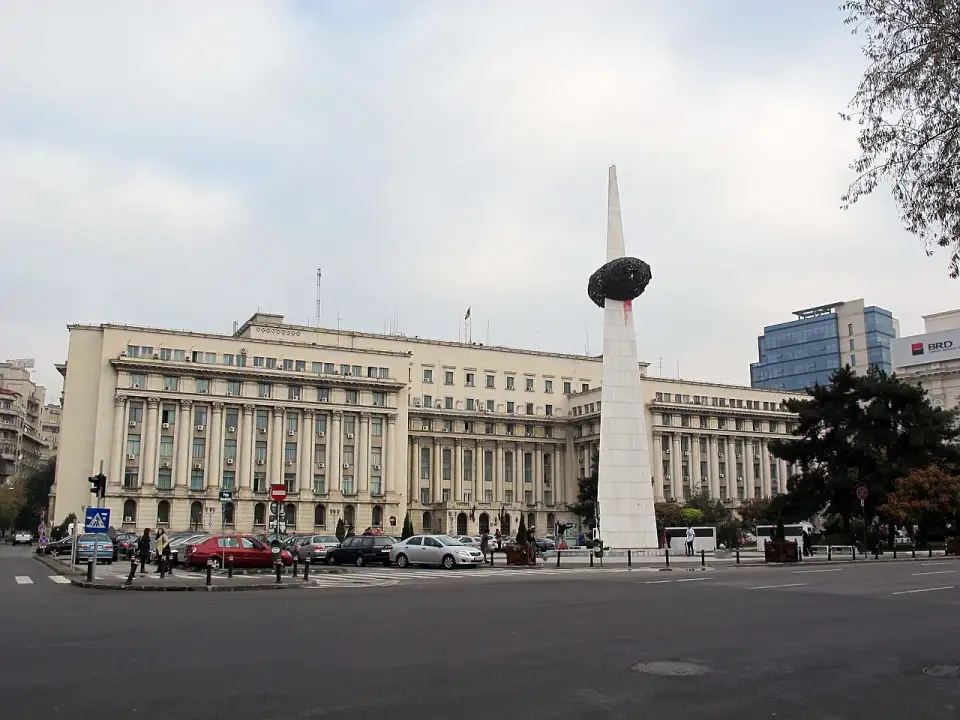
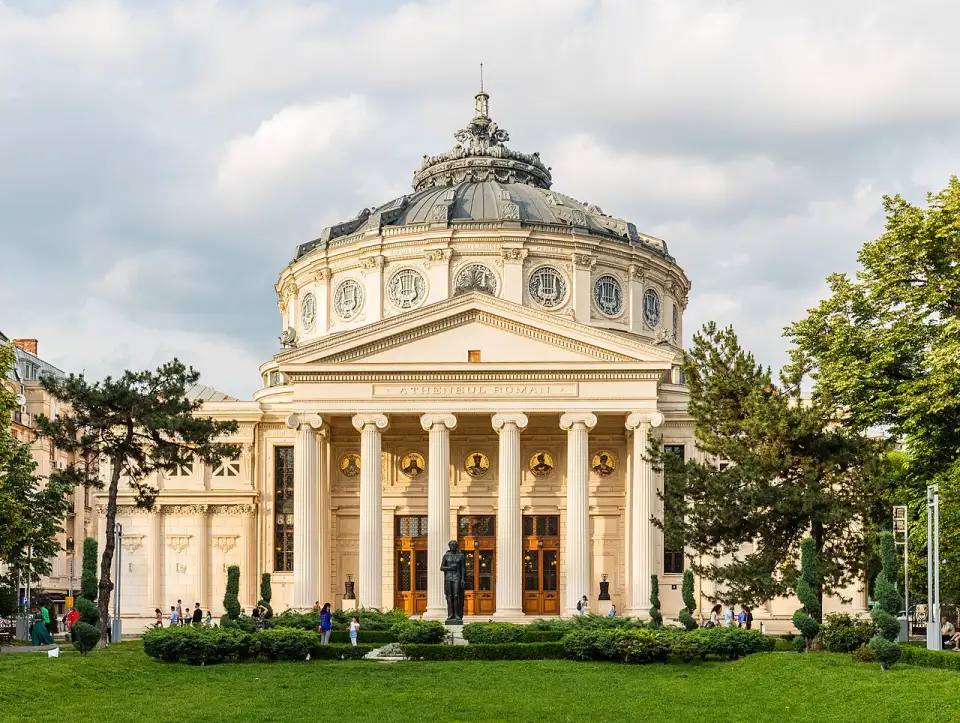
This route links the medieval heart of Bucharest, the Old Court of the Wallachian princes, with the square where communism ended in 1989. Along the way: the bank palaces of «Little Paris», an 18th-century church and the country's best-loved concert hall.
- 6 stops
- 2 km
- 1 h 50 min
- Free

The route
Stop by stop
-
1
-
2
-
3
-
4
-
5
-
6


Loading the map…
Guide mode
Walk it with GPS.
Open guide mode on your phone: you’ll see your position and the distance to each stop, and we’ll let you know when you arrive. Then read or listen.
Start with GPSTurn on your location
Walk to the spot
Check the photo and listen
What you’ll discover
From Vlad III to the Revolution: six centuries on Calea Victoriei
The birth certificate
You start where a document of Vlad III first named Bucharest, in 1459.
Little Paris
Banks with glass domes and French-inspired façades tell how the city modernised.
December 1989
You finish in the square where a booed speech brought down a dictatorship.
Keep exploring
More routes in Bucharest


Itineraries
How many days do you have in Bucharest?
We’ve planned it day by day for you: which routes to walk and in what order, what else to see and where to eat.
Bucharest in 1 day
All three routes in one full day: the highlights, the history and the legends at dusk.
See the itinerary 2Bucharest in 2 days
A gentler pace: the three routes over two days, plus extra sights and where to eat.
See the itinerary 3Bucharest in 3 days
The city in depth: one route a day, extra museums and neighbourhoods, and a day for good food.
See the itinerary