Córdoba · History
From Corduba to the Caliphate: twenty centuries in one walk
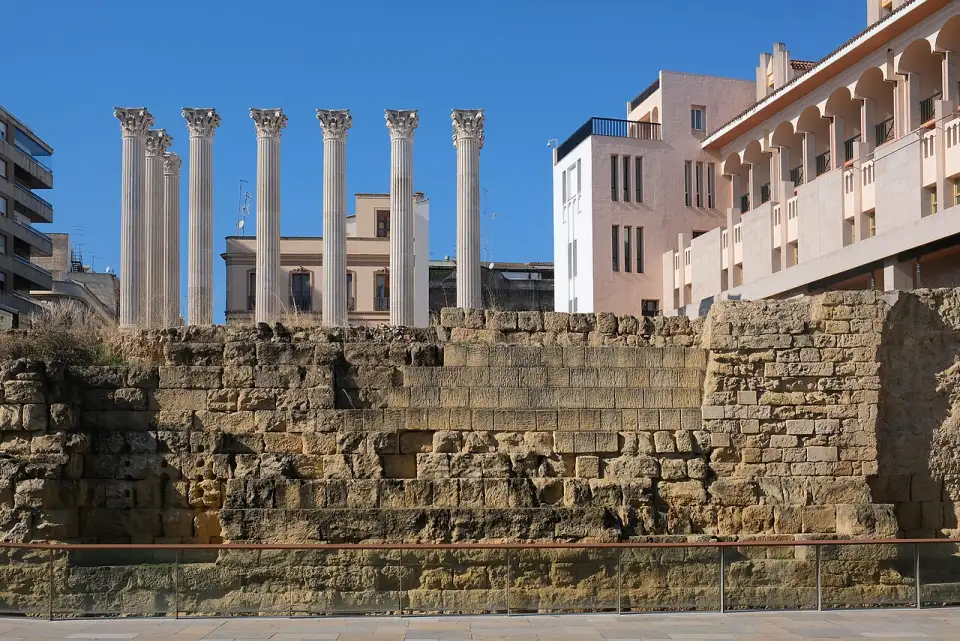
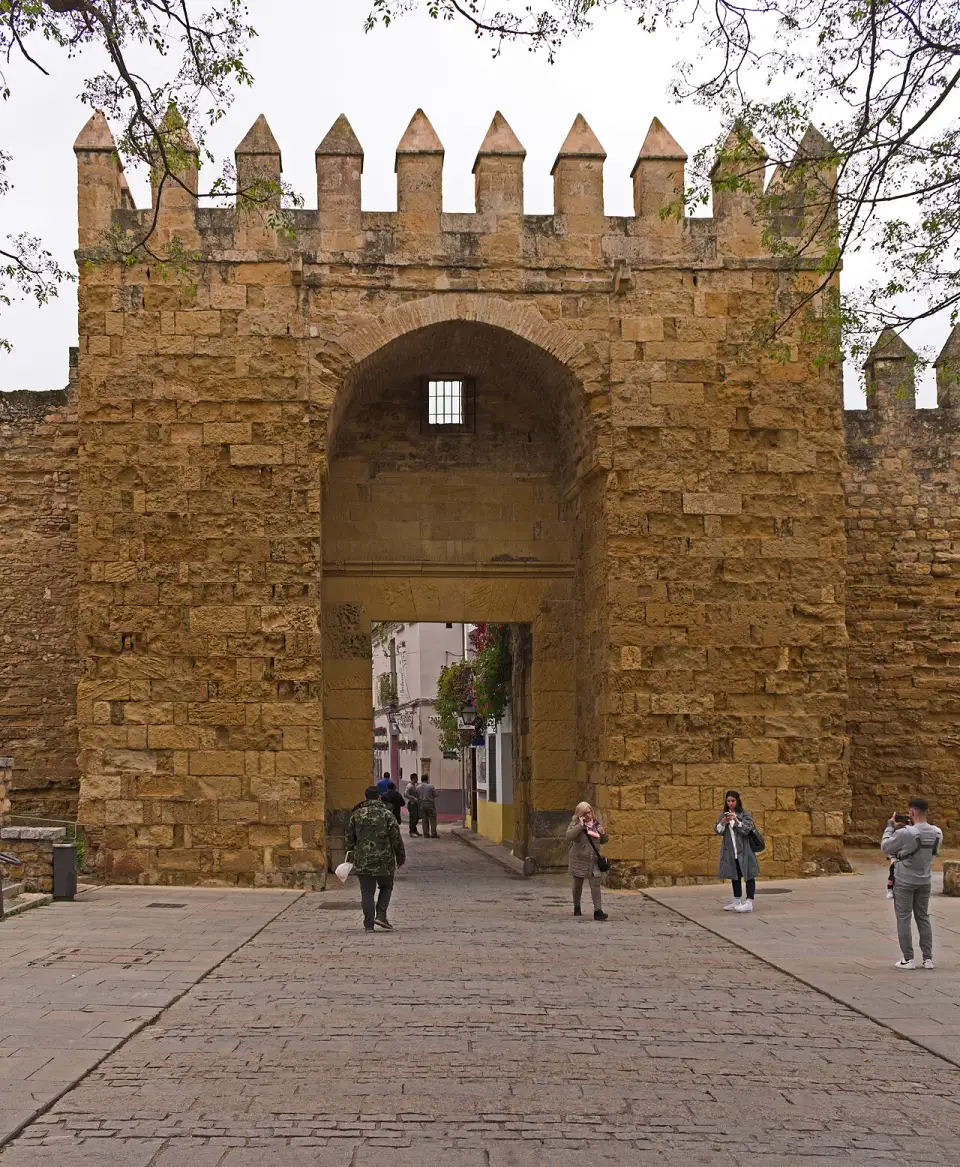
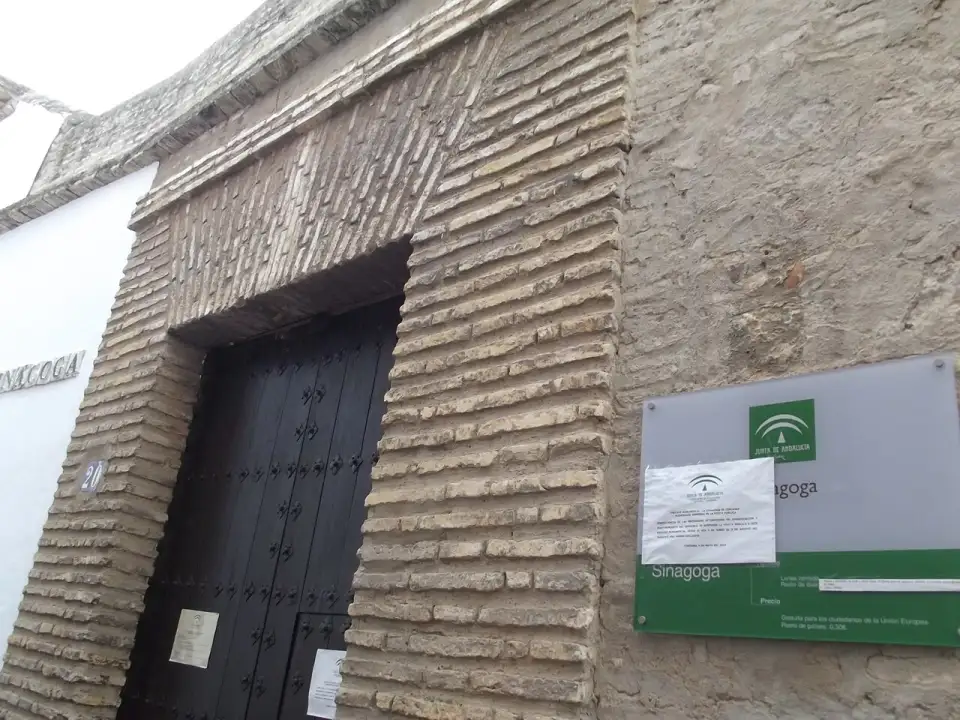
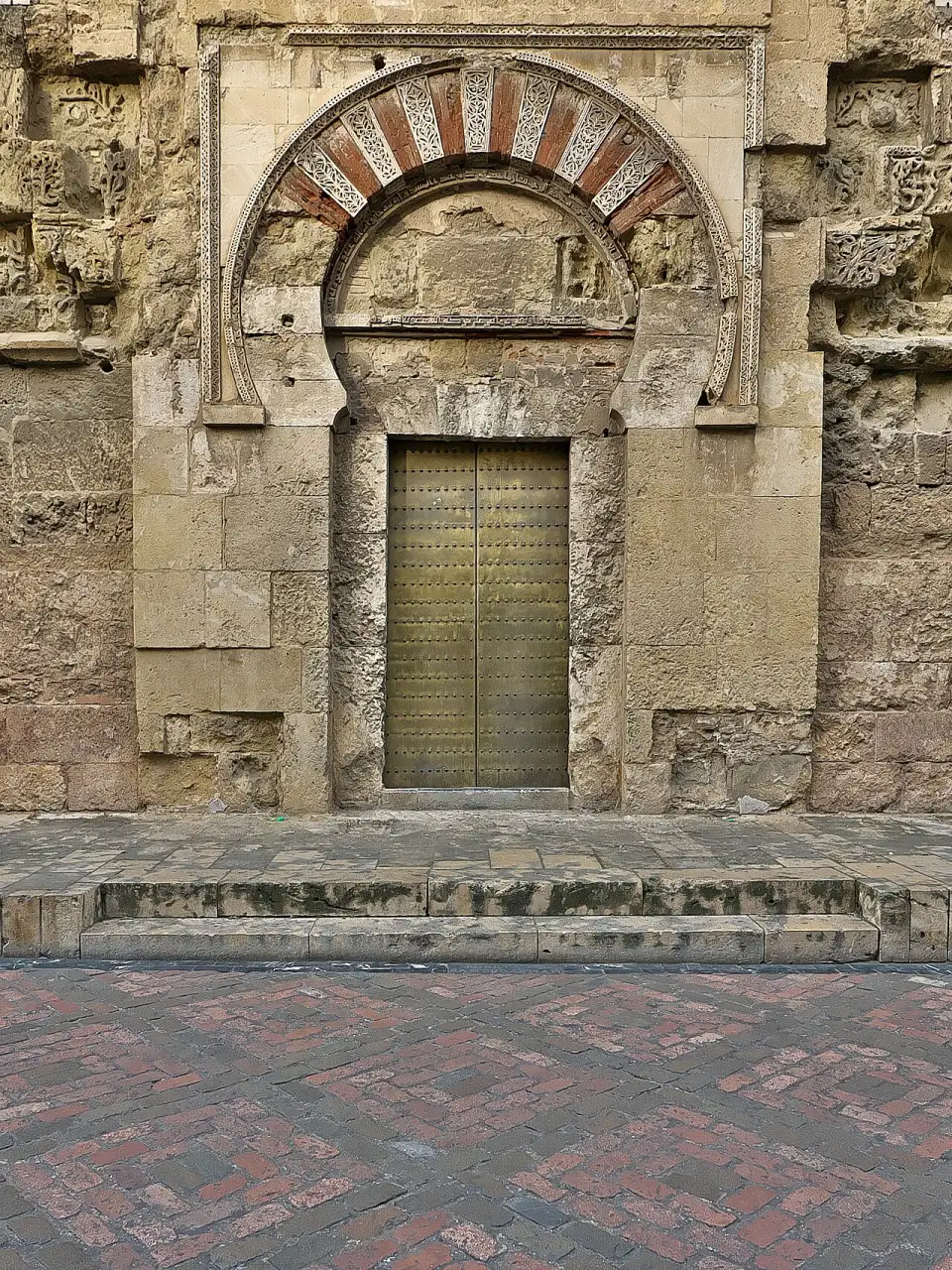
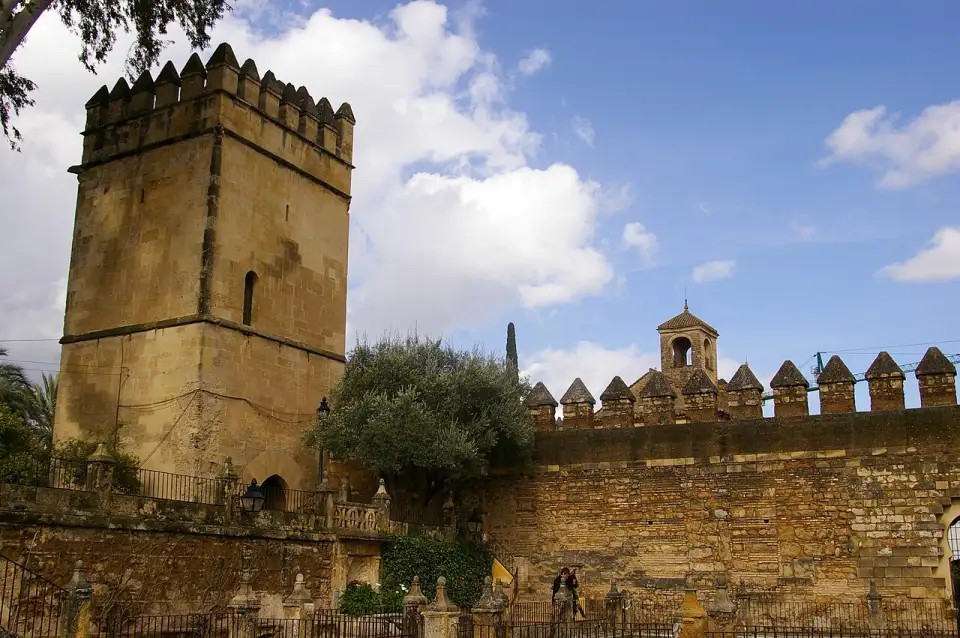
Few cities have been a capital so many times. Córdoba ruled Roman Baetica, then the Umayyad emirate and caliphate, and for a few years it also hosted the court of the Catholic Monarchs. This route crosses the old town from north to south following that thread: from the columns of an imperial temple to Maimonides’ Jewish quarter, the oldest gate of the Mosque and the fortress where Columbus sought support for his voyage.
- 5 stops
- 1.8 km
- 1 h 40 min
- Free

The route
Stop by stop
-
1
-
2
-
3
-
4
-
5


Loading the map…
Guide mode
Walk it with GPS.
Open guide mode on your phone: you’ll see your position and the distance to each stop, and we’ll let you know when you arrive. Then read or listen.
Start with GPSTurn on your location
Walk to the spot
Check the photo and listen
What you’ll discover
From Corduba to the Caliphate: twenty centuries in one walk
Roman Córdoba
A first-century temple and the statue of Seneca, the Cordoban who tutored Nero.
Three cultures, one city
The only medieval synagogue in Andalusia, Maimonides and the gate through which the emir entered the great mosque.
1236 and 1492
The Castilian conquest and the Alcázar where the Catholic Monarchs lived while the war for Granada was decided.
Keep exploring
More routes in Córdoba


Itineraries
How many days do you have in Córdoba?
We’ve planned it day by day for you: which routes to walk and in what order, what else to see and where to eat.
Córdoba in 1 day
All three routes in one full day: the highlights, the history and the legends at dusk.
See the itinerary 2Córdoba in 2 days
A gentler pace: the three routes over two days, plus extra sights and where to eat.
See the itinerary 3Córdoba in 3 days
The city in depth: one route a day, extra museums and neighbourhoods, and a day for good food.
See the itinerary