Kyoto · History
Shoguns, emperors and samurai: a thousand years of power in Kyoto
Kyoto was Japan’s capital for more than a thousand years, and its centre still bears the marks of those who fought over power: emperors who reigned without ruling, shoguns who ruled without reigning, and samurai ready for anything. You will walk from Nijō Castle to the grounds of the Imperial Palace and then towards the Kamo River, ending in the market that has fed the city for centuries.
- 6 stops
- 4.6 km
- 2 h 30 min
- Free

The route
Stop by stop
-
1
-
2
-
3
-
4
-
5
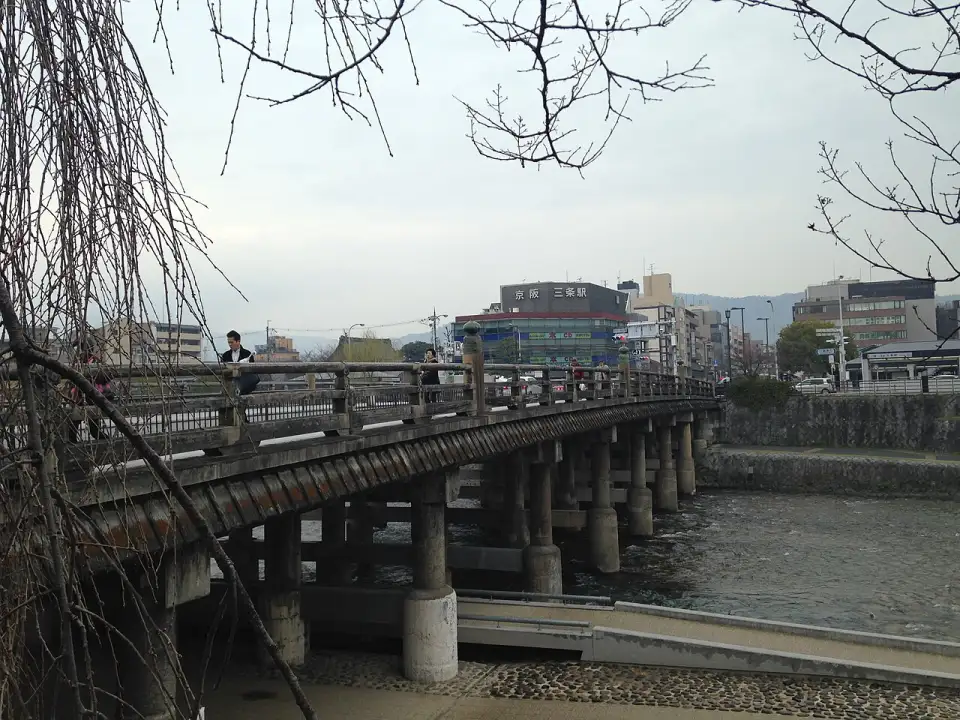
-
6
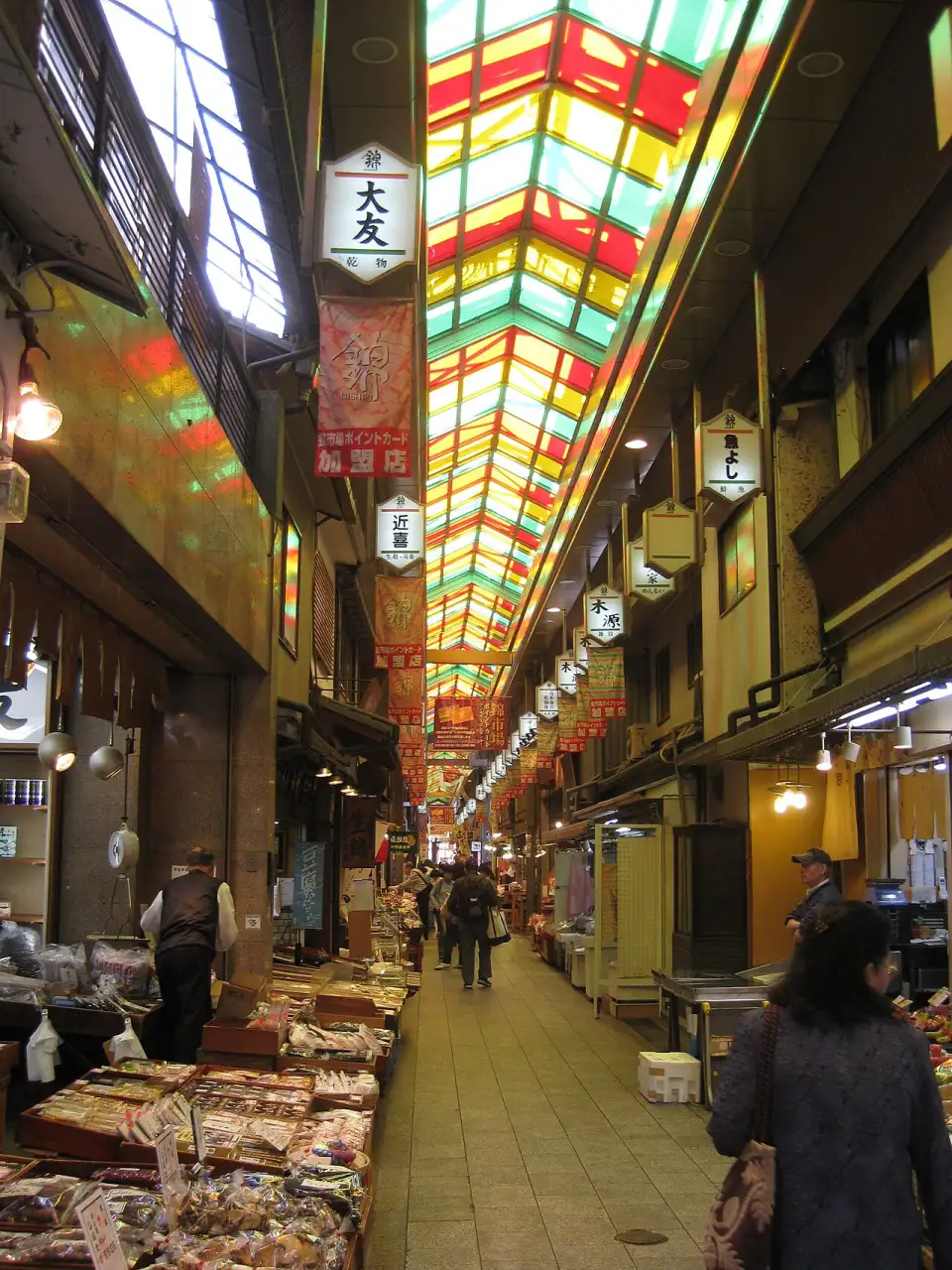


Loading the map…
Guide mode
Walk it with GPS.
Open guide mode on your phone: you’ll see your position and the distance to each stop, and we’ll let you know when you arrive. Then read or listen.
Start with GPSTurn on your location
Walk to the spot
Check the photo and listen
What you’ll discover
Shoguns, emperors and samurai: a thousand years of power in Kyoto
The castle at the end of an era
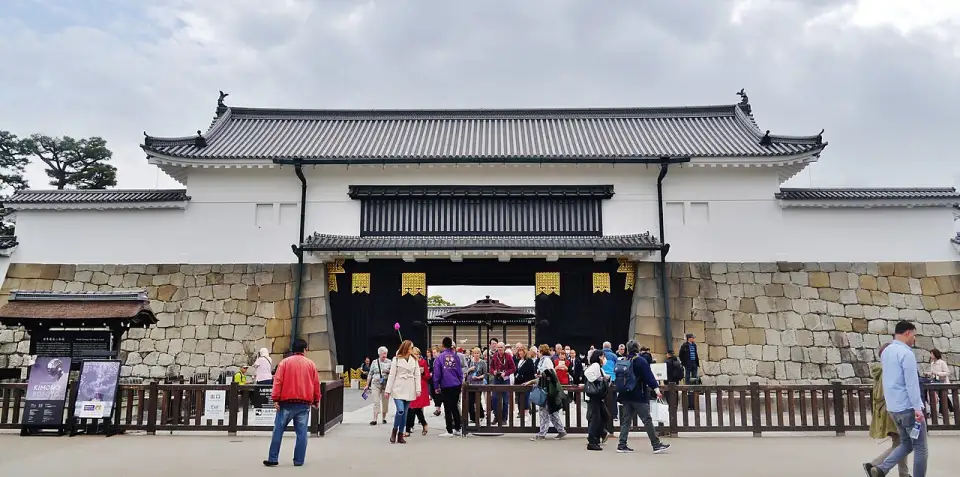
Nijō, where Tokugawa Ieyasu moved in in 1603 and where, in 1867, the last shogun announced he was handing power back to the emperor.
Bullet marks on a gate
The Hamaguri-gomon still shows the scars of the 1864 battle, when Chōshū samurai tried to seize the palace.
The Honnō-ji betrayal
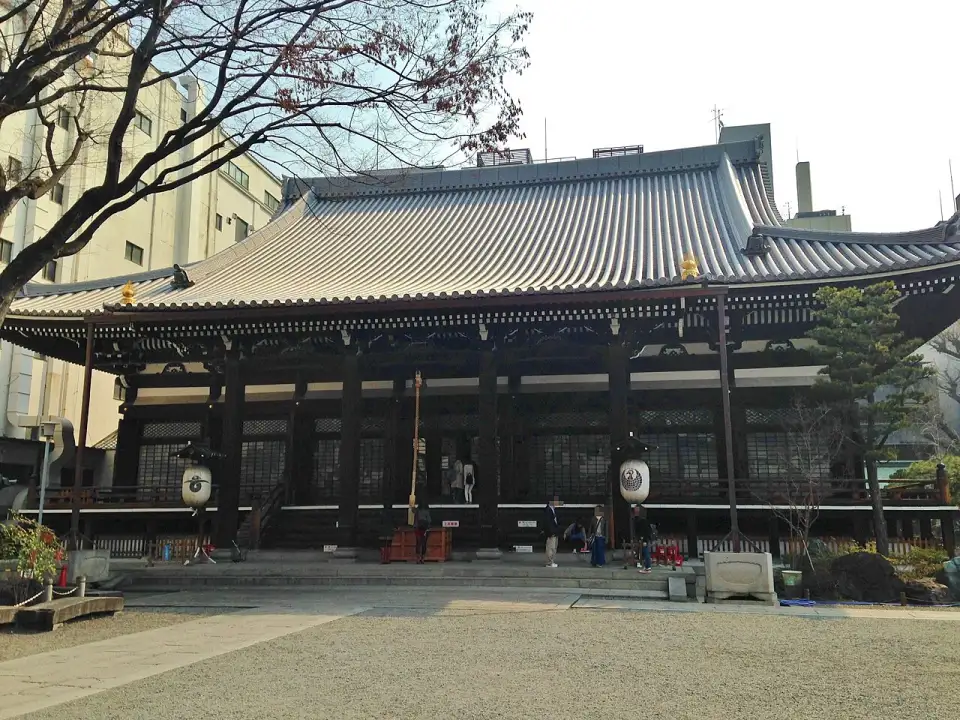
The temple where Oda Nobunaga died in 1582, rebuilt by Hideyoshi on a new site, with the great unifier’s memorial tomb.

