Kyoto · Mixed
Arashiyama highlights: a bridge for the moon, bamboo and poets
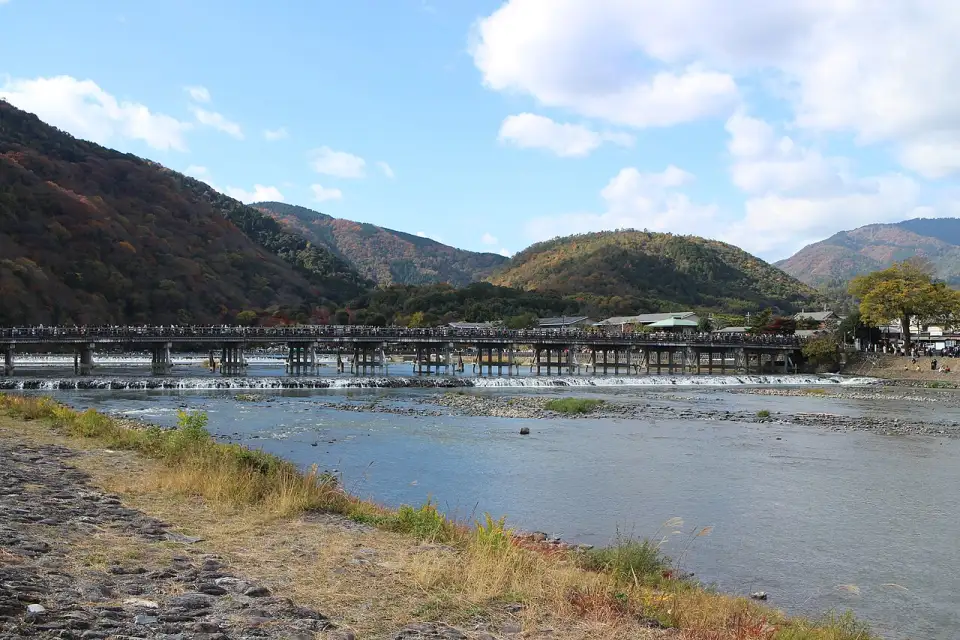
In western Kyoto, where the river leaves the mountains, the imperial court built its pleasure villas more than a thousand years ago. Arashiyama and Sagano are still Kyoto at its most scenic: water, maple-covered hills and bamboo groves. This walk brings together the must-see sights of the area, from a bridge with a poetic name to a thatched hut where Bashō once stayed.
- 6 stops
- 1.9 km
- 1 h 40 min
- Free

The route
Stop by stop
-
1
-
2
-
3
-
4
-
5
-
6


Loading the map…
Guide mode
Walk it with GPS.
Open guide mode on your phone: you’ll see your position and the distance to each stop, and we’ll let you know when you arrive. Then read or listen.
Start with GPSTurn on your location
Walk to the spot
Check the photo and listen
What you’ll discover
Arashiyama highlights: a bridge for the moon, bamboo and poets
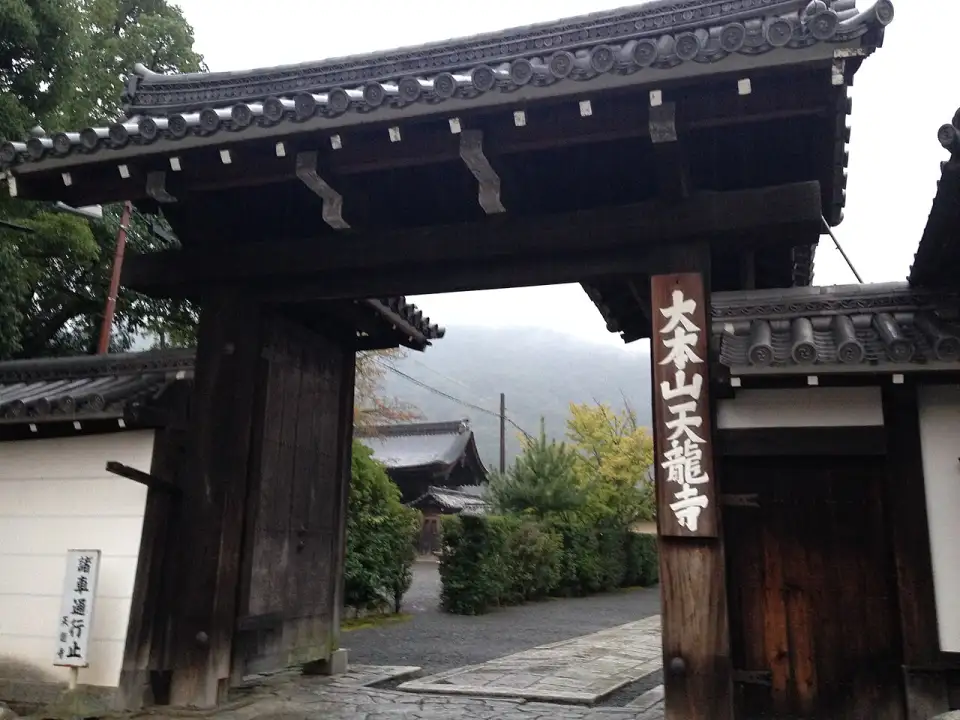
Tenryū-ji
The Zen temple a shogun founded in 1339 to appease the spirit of the emperor he had defeated.
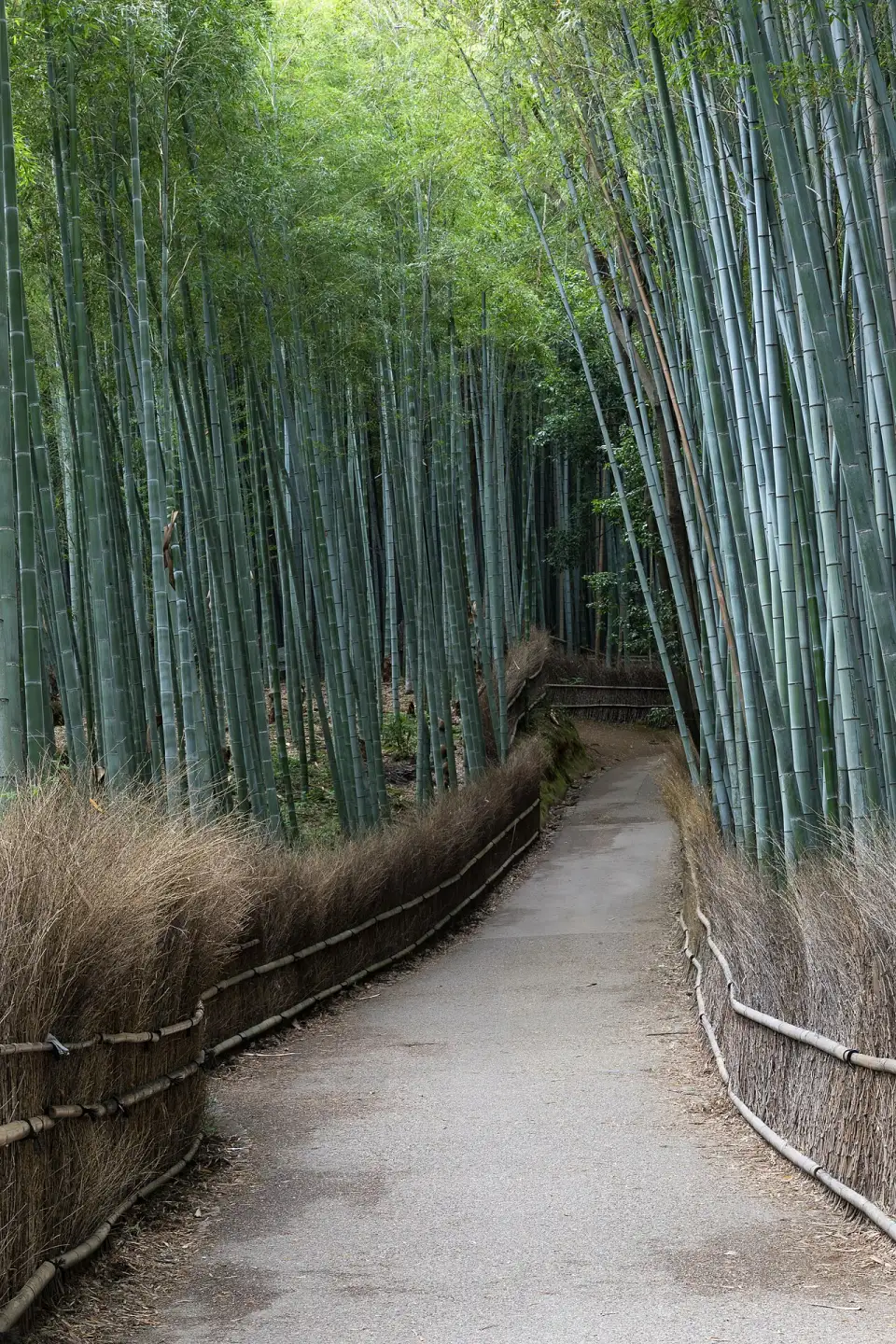
The bamboo grove
A path between towering stalks whose rustling is one of the hundred soundscapes Japan wants to preserve.
Sagano of the poets
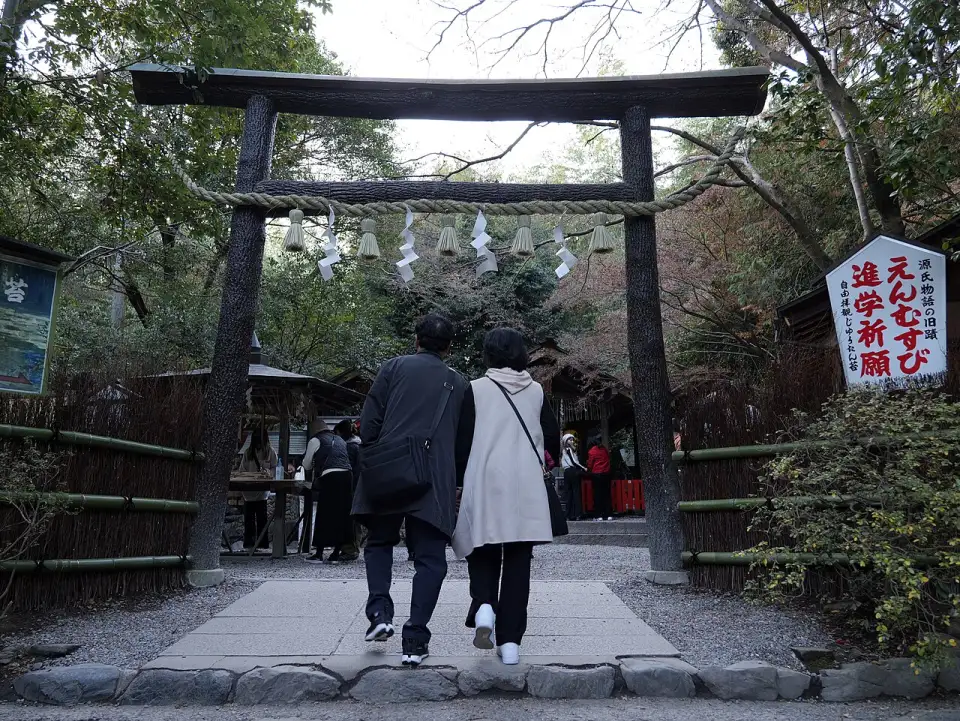
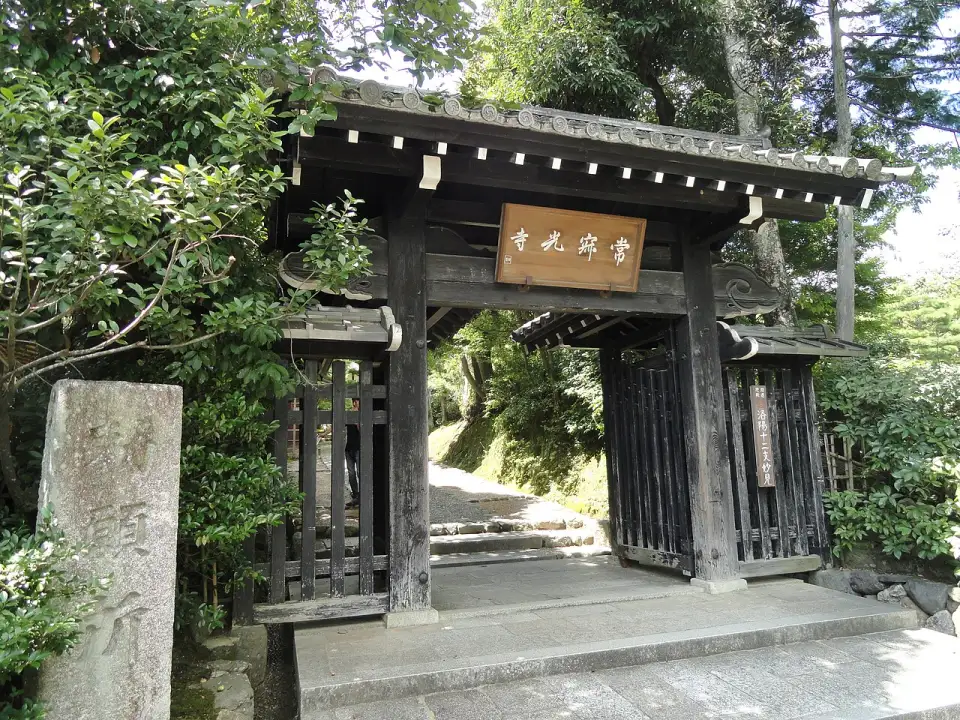
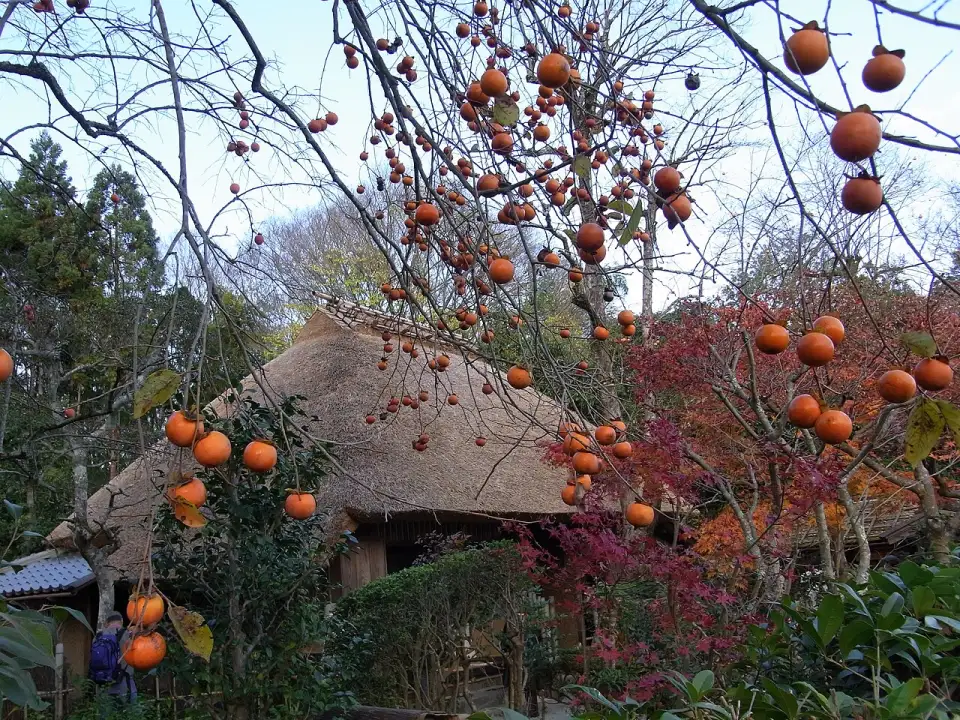
Mount Ogura of the “Hyakunin isshu” and the hut of the fallen persimmons, where Bashō wrote his “Saga Diary”.

