Medellín · History
From the village of La Candelaria to the railway city
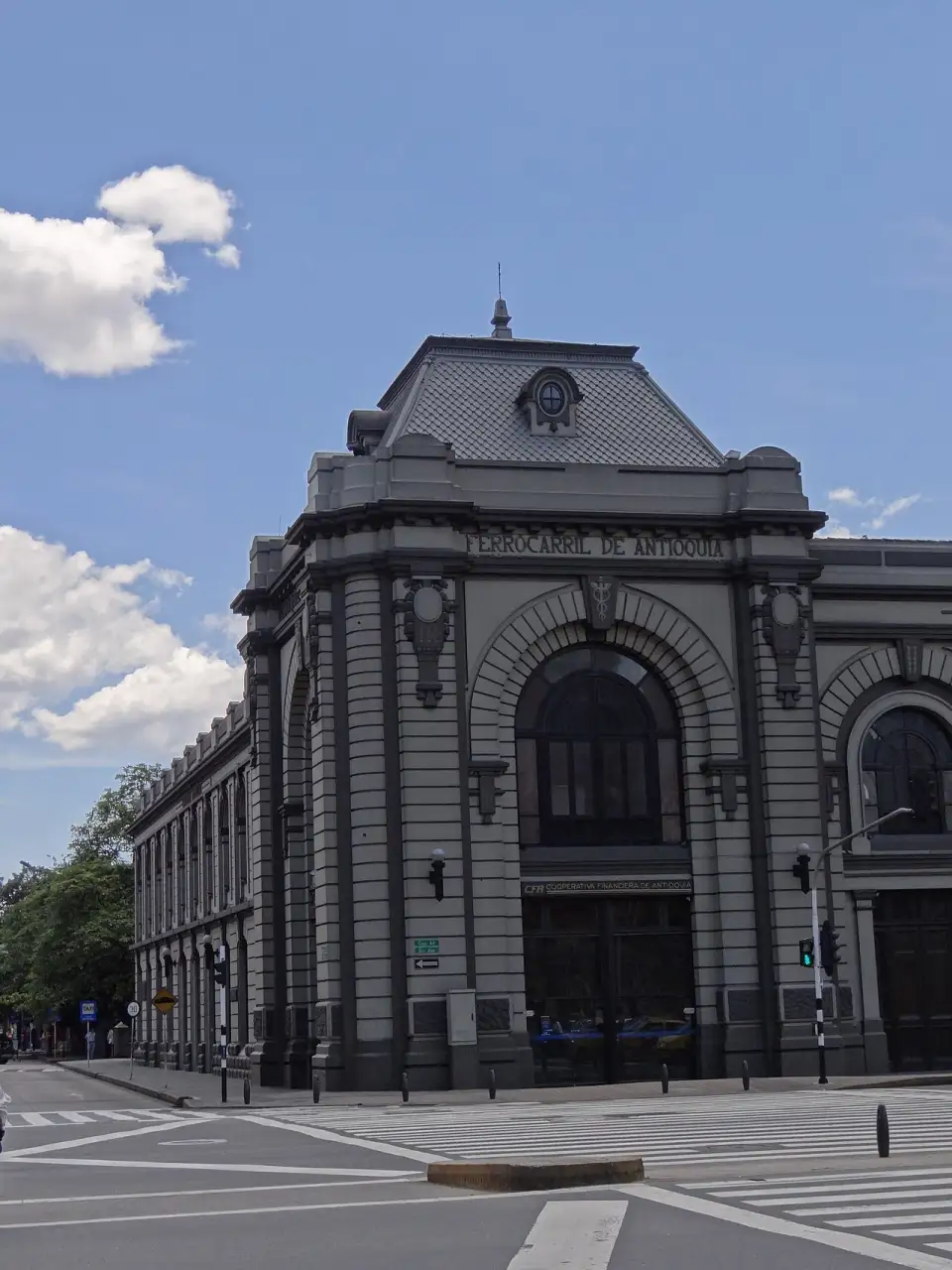
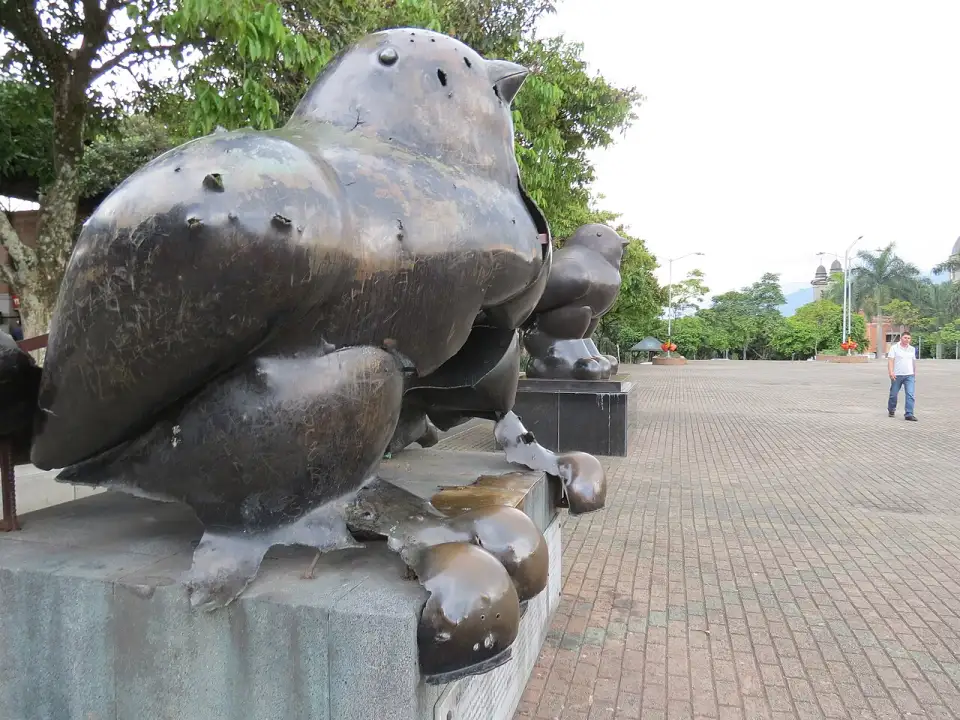
This route follows the city as it grows: from the thatched chapel at Aná to the palaces of the Belgian Agustín Goovaerts, from the Guayaquil market to the railway station that linked Medellín to the world. It ends in San Antonio Park, where the city chose to remember its victims rather than erase the wound. Walk it by day: downtown is intense, and it is best not to linger after dark.
- 6 stops
- 2 km
- 1 h 45 min
- Free

The route
Stop by stop
-
1
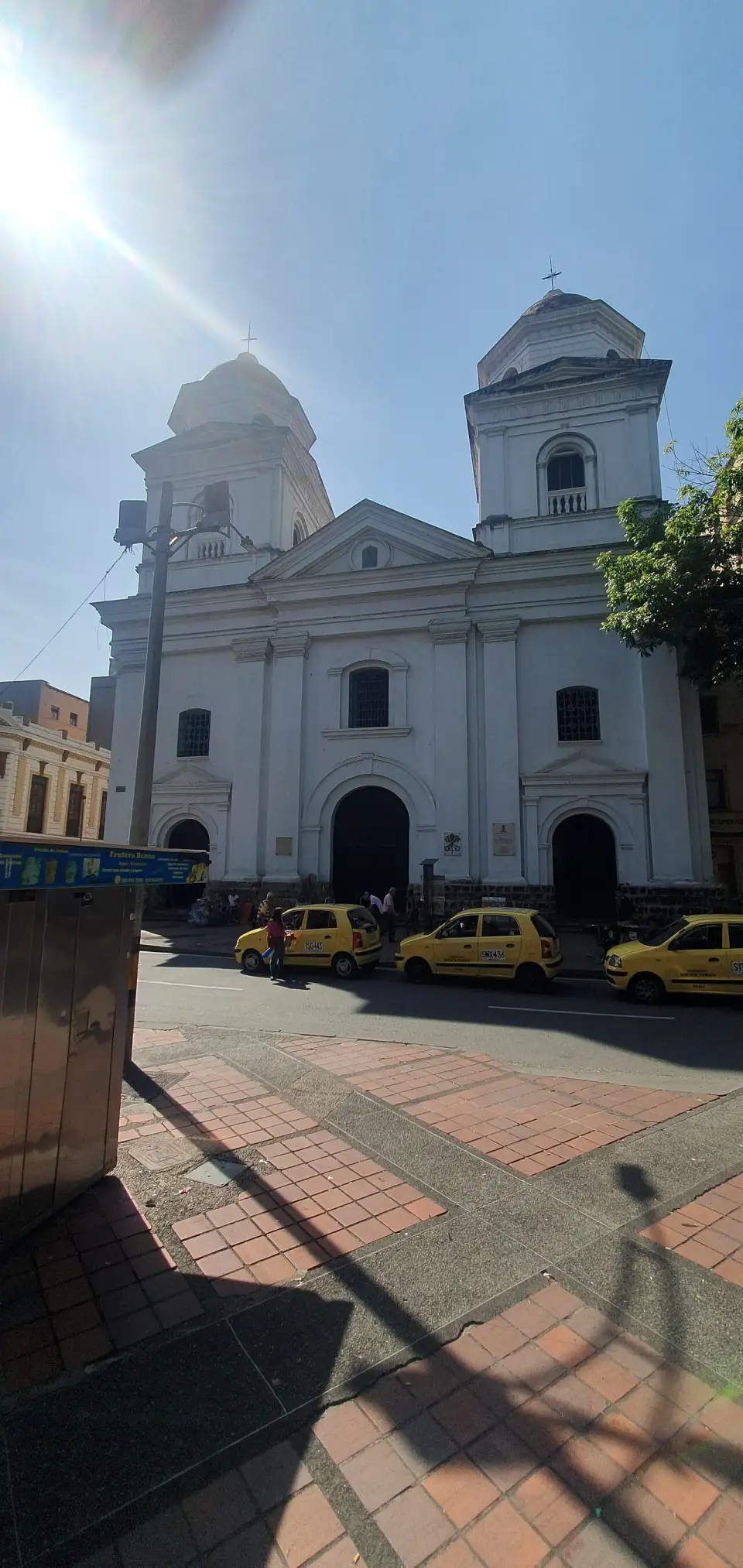
-
2
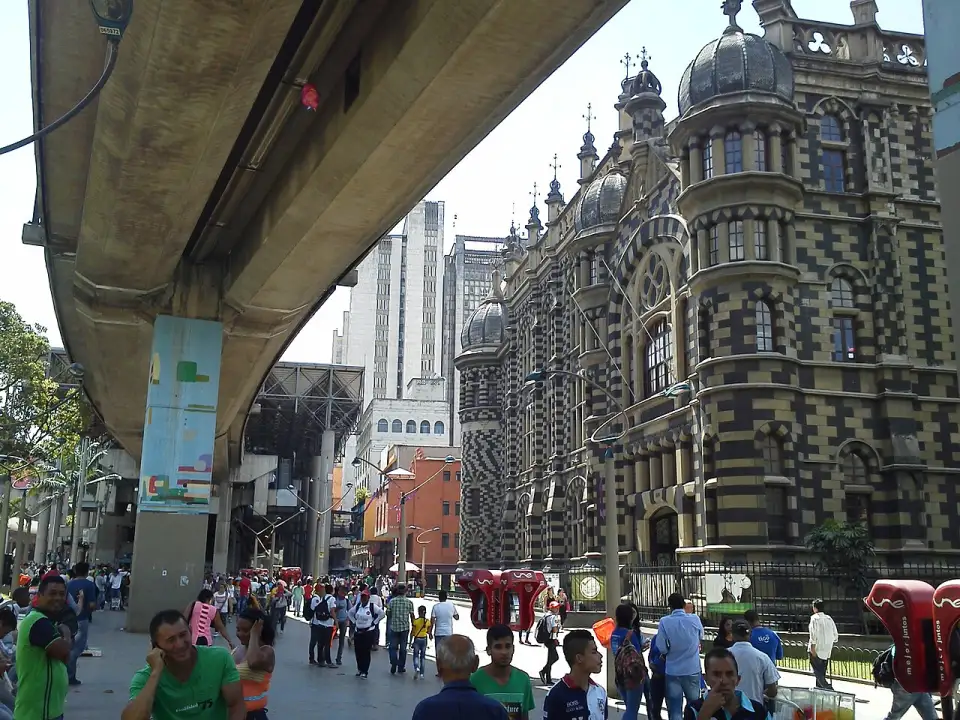
-
3
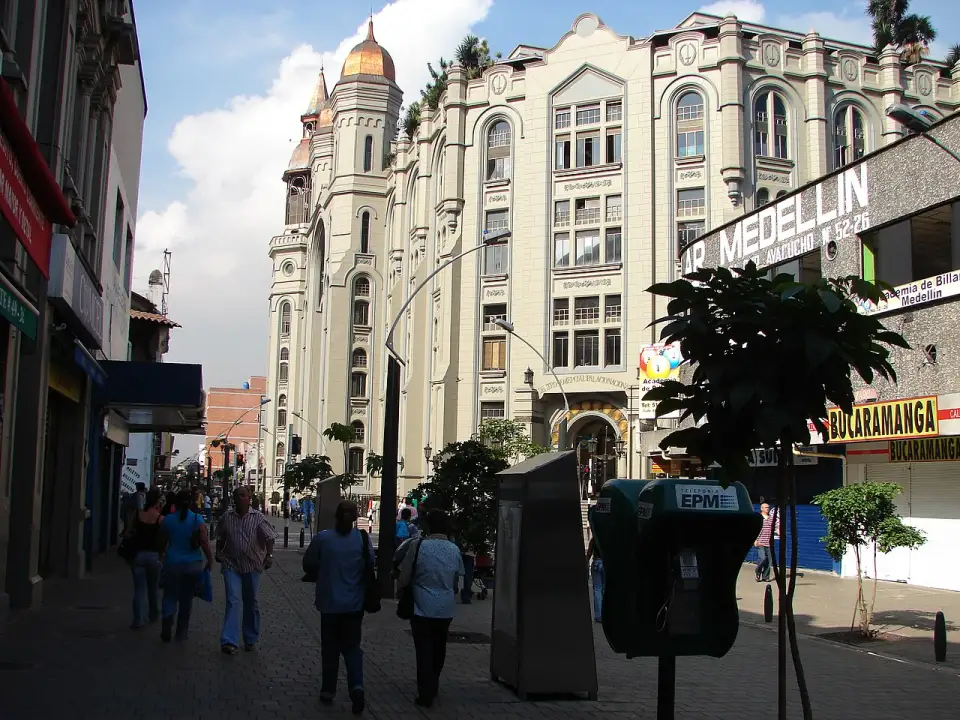
-
4
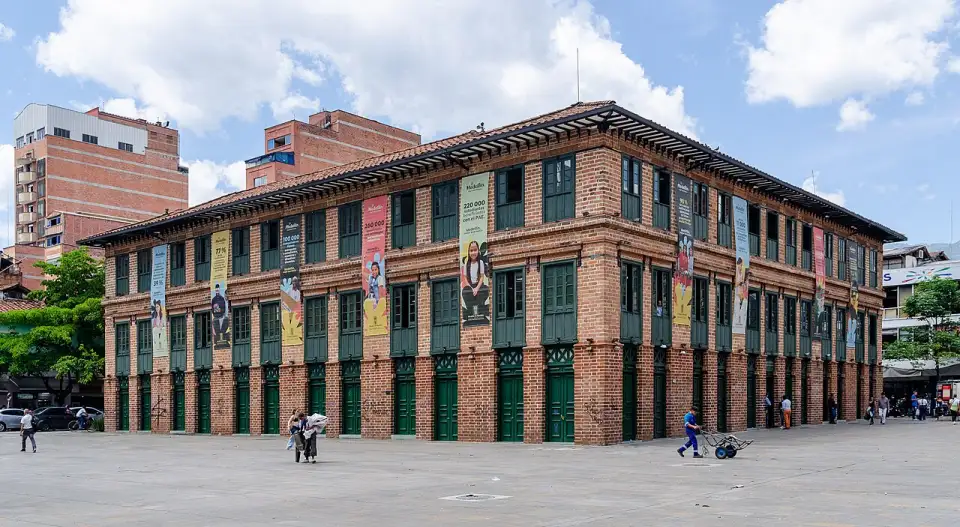
-
5
-
6


Loading the map…
Guide mode
Walk it with GPS.
Open guide mode on your phone: you’ll see your position and the distance to each stop, and we’ll let you know when you arrive. Then read or listen.
Start with GPSTurn on your location
Walk to the spot
Check the photo and listen
What you’ll discover
From the village of La Candelaria to the railway city
The founding, on the spot
You start where the town was formally created in 1675, in front of the city's first parish church.
1920s architecture
Two palaces by Goovaerts and Carré's twin buildings tell the ambition of a city that was industrialising fast.
Memory, not morbidity
The last stop remembers the 1995 bombing through its victims and the decision not to forget.
Keep exploring
More routes in Medellín


Itineraries
How many days do you have in Medellín?
We’ve planned it day by day for you: which routes to walk and in what order, what else to see and where to eat.
Medellín in 1 day
All three routes in one full day: the highlights, the history and the legends at dusk.
See the itinerary 2Medellín in 2 days
A gentler pace: the three routes over two days, plus extra sights and where to eat.
See the itinerary 3Medellín in 3 days
The city in depth: one route a day, extra museums and neighbourhoods, and a day for good food.
See the itinerary