Krakow · History
Kazimierz and Podgórze: the Jewish town and its destruction
This route crosses Kazimierz, once an independent town and for centuries one of the great centres of European Jewry, then follows the bridge to Podgórze, where the German occupiers confined Kraków's Jews in 1941. It is a route of documented history that asks for careful, respectful listening.
- 6 stops
- 2.5 km
- 2 h
- Free

The route
Stop by stop
-
1
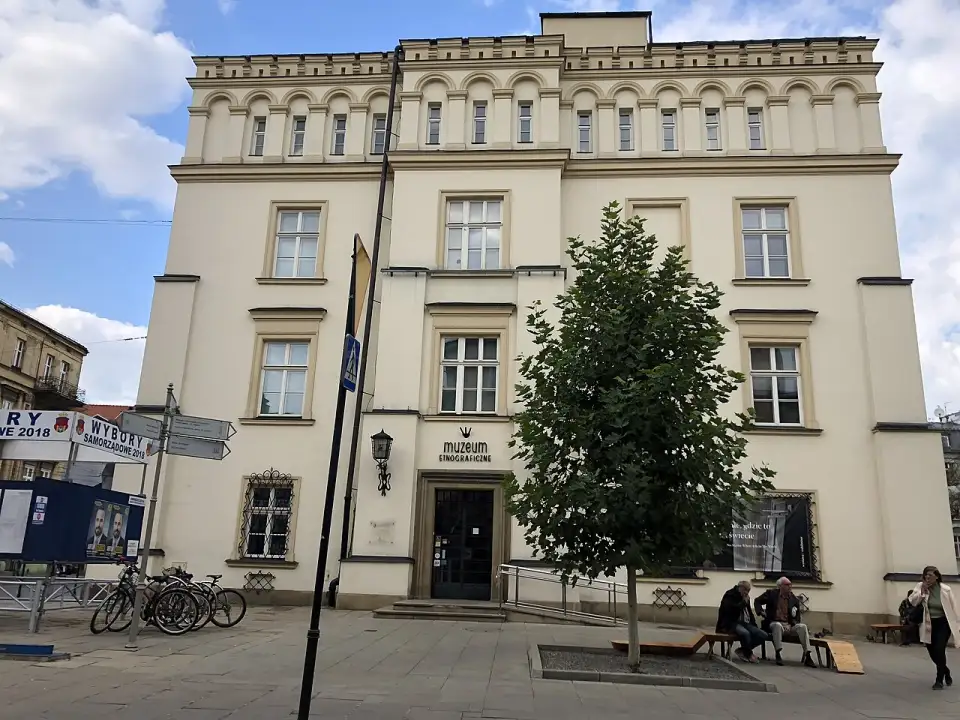
-
2
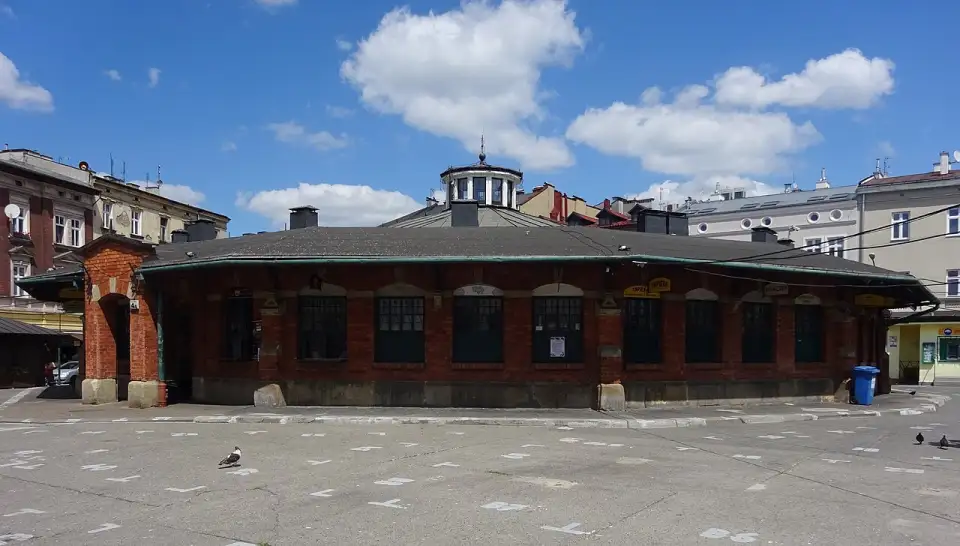
-
3
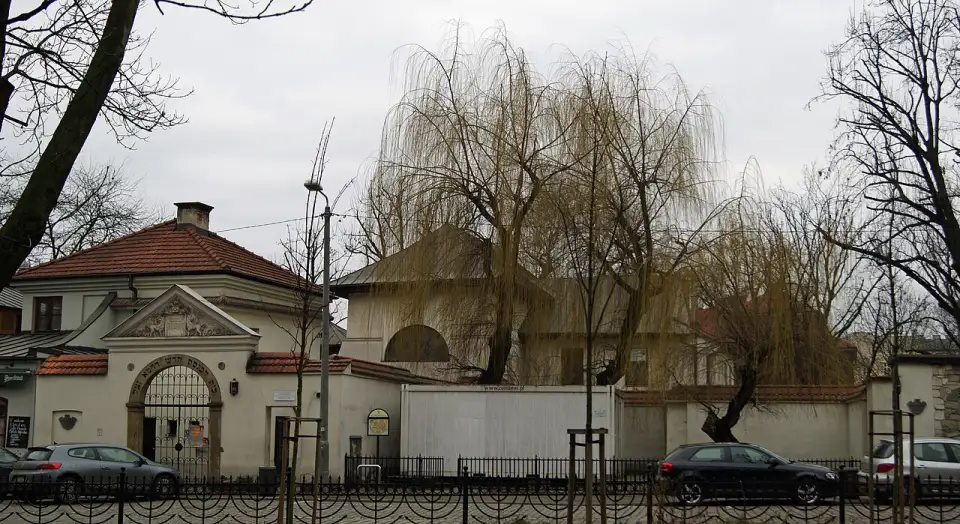
-
4
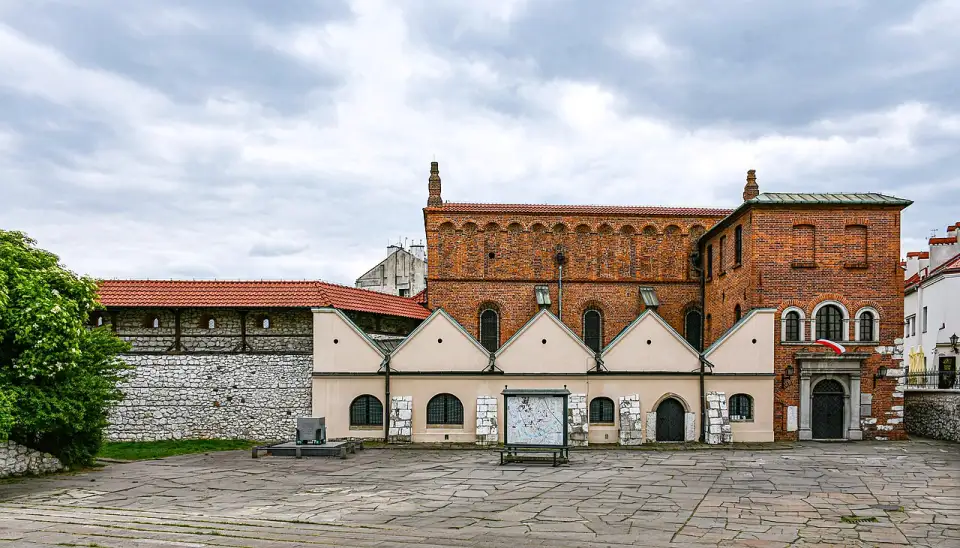
-
5
-
6


Loading the map…
Guide mode
Walk it with GPS.
Open guide mode on your phone: you’ll see your position and the distance to each stop, and we’ll let you know when you arrive. Then read or listen.
Start with GPSTurn on your location
Walk to the spot
Check the photo and listen
What you’ll discover
Kazimierz and Podgórze: the Jewish town and its destruction
Two towns in one
Christian and Jewish Kazimierz, with its town hall, markets and 15th- and 16th-century synagogues.
Memory backed by facts
Verifiable dates, figures and names about the ghetto, without dramatising or simplifying.
Traces in the street
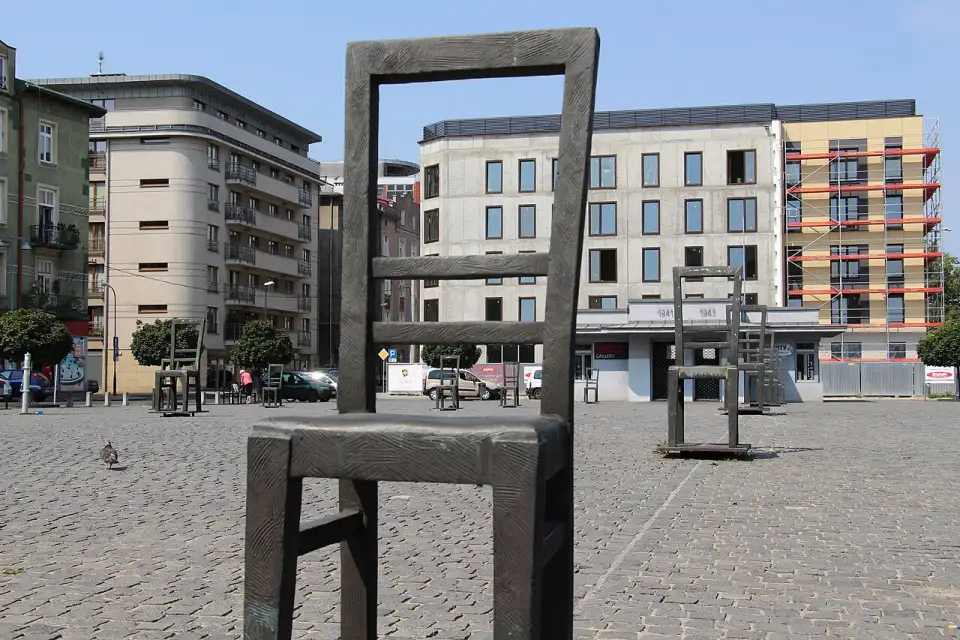
Gravestones, bronze chairs, a stretch of wall and a pharmacy that you can still see.
Keep exploring
More routes in Krakow


Itineraries
How many days do you have in Krakow?
We’ve planned it day by day for you: which routes to walk and in what order, what else to see and where to eat.
Krakow in 1 day
All three routes in one full day: the highlights, the history and the legends at dusk.
See the itinerary 2Krakow in 2 days
A gentler pace: the three routes over two days, plus extra sights and where to eat.
See the itinerary 3Krakow in 3 days
The city in depth: one route a day, extra museums and neighbourhoods, and a day for good food.
See the itinerary