- Home
- South Korea
- Seoul
- History
Seoul · History
Six Centuries of Seoul: From Joseon Kings to the Streets
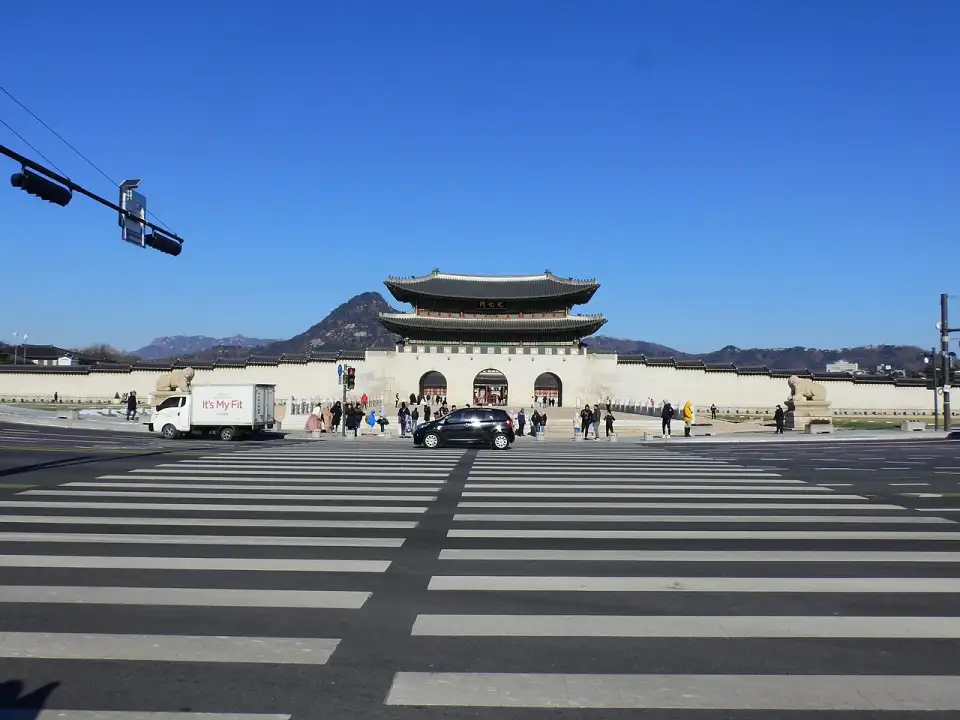
This walk follows the axis of power of old Hanyang, the capital founded by the Joseon dynasty in 1394, then heads down Jongno, "Bell Street", to the shrine of the kings. Along the way you'll see how one city was the capital of a kingdom, a short-lived empire, a colony and a democracy won in the streets.
- 6 stops
- 2.4 km
- 2 h
- Free

The route
Stop by stop
-
1
-
2
-
3
-
4
-
5
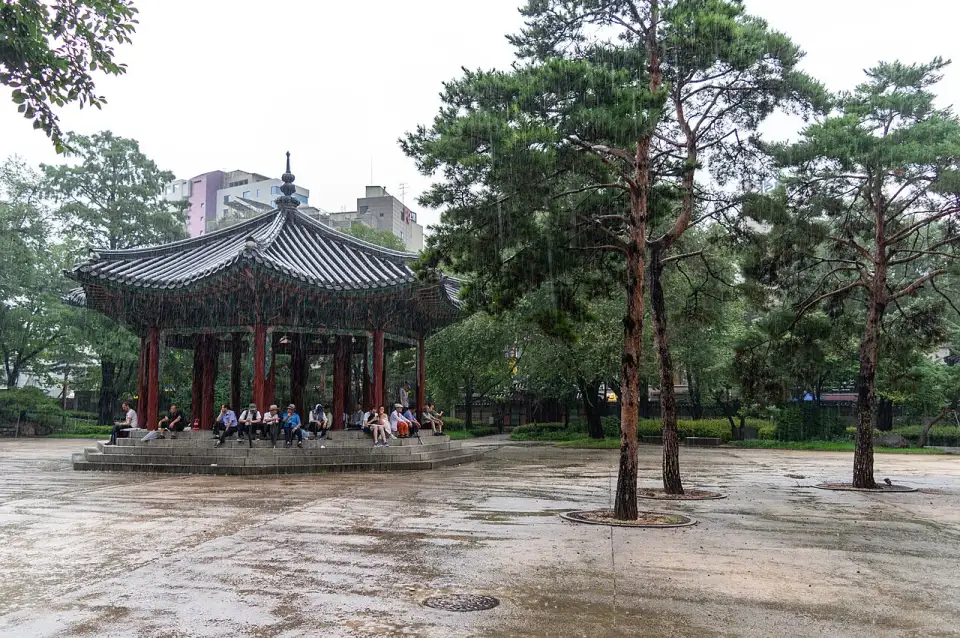
-
6
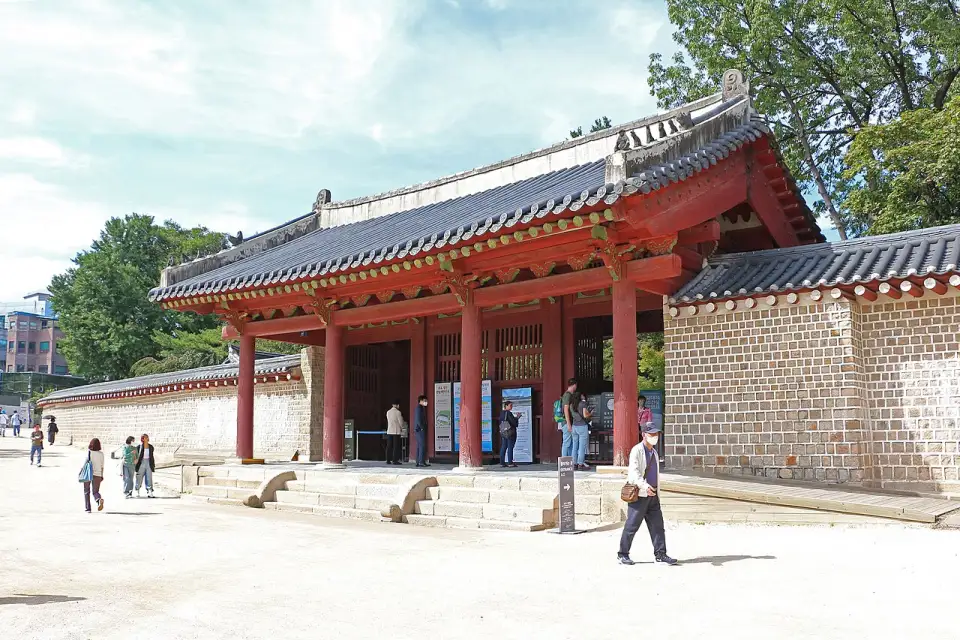


Loading the map…
Guide mode
Walk it with GPS.
Open guide mode on your phone: you’ll see your position and the distance to each stop, and we’ll let you know when you arrive. Then read or listen.
Start with GPSTurn on your location
Walk to the spot
Check the photo and listen
What you’ll discover
Six Centuries of Seoul: From Joseon Kings to the Streets
The Joseon dynasty
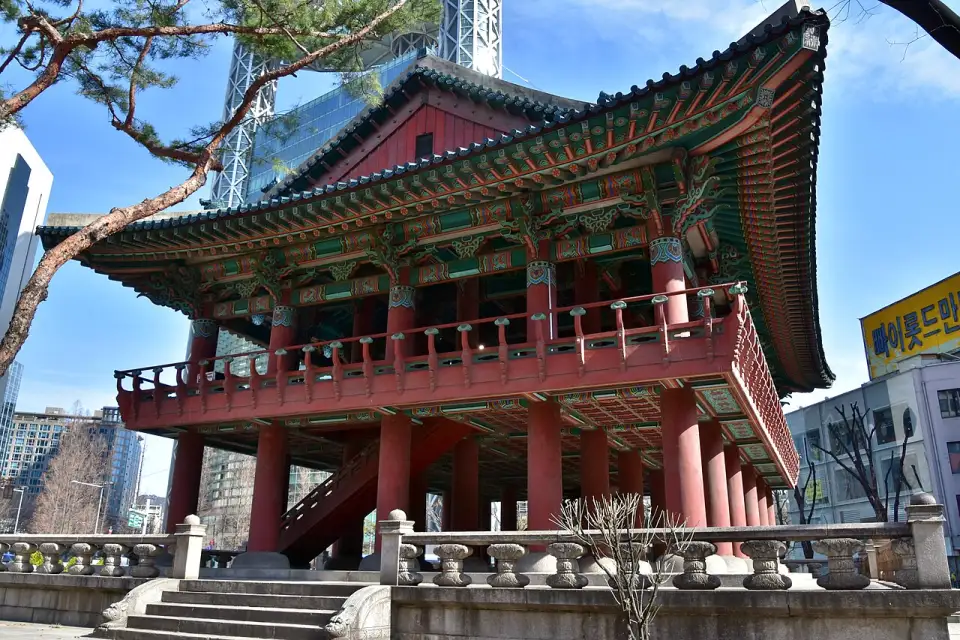
Over five centuries of kings, from 1392 to 1910, and the mark they left on gates, shrines and bells.
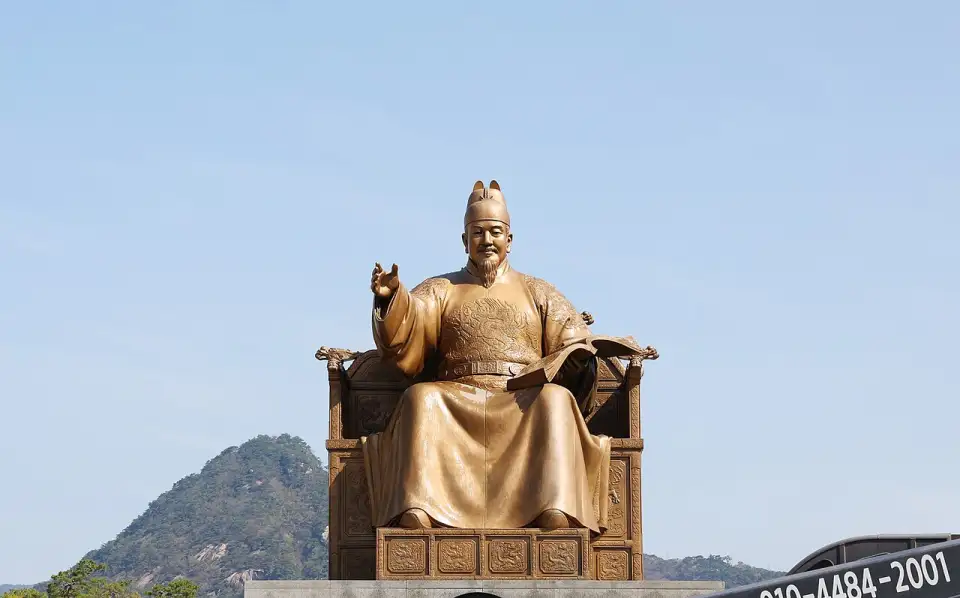
Sejong and Hangul
The king who gave Korea its own alphabet in the 15th century, seated in bronze in the middle of the avenue.
1919 and after
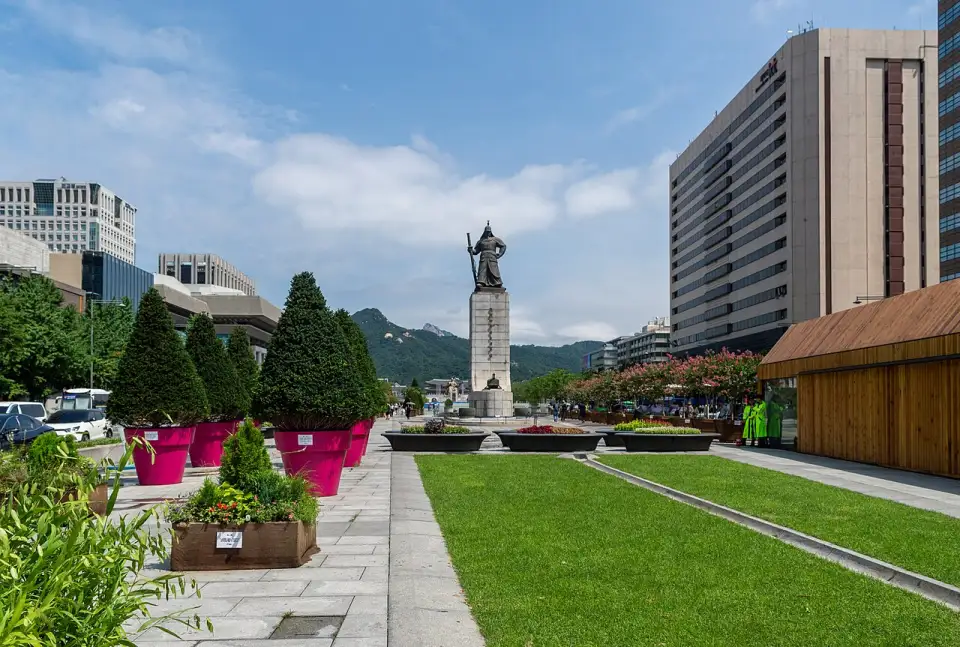
Japanese occupation, the March 1st Movement and a square that is still the country's civic stage.
Keep exploring
More routes in Seoul


Itineraries
How many days do you have in Seoul?
We’ve planned it day by day for you: which routes to walk and in what order, what else to see and where to eat.
Seoul in 1 day
All three routes in one full day: the highlights, the history and the legends at dusk.
See the itinerary 2Seoul in 2 days
A gentler pace: the three routes over two days, plus extra sights and where to eat.
See the itinerary 3Seoul in 3 days
The city in depth: one route a day, extra museums and neighbourhoods, and a day for good food.
See the itinerary